author.travelffeine.com

Category: U.S.A.

Our travel adventures throughout the United State of America. The United States is made up of 50 very unique states. There is so much to see! It makes a wonderful country for road trips, visiting National Parks, exploring cities, and even enjoying lush tropical beaches!  Pick a state and start planning your next adventure!

  • How to Spend One Day in Miami: Top Things to Do

    One day in Miami is certainly not enough time to explore this lush and vibrant city. There are so many things to do in Miami, pick a few interests, and plan your day around those. Then make time for relaxing at the beach or people watching off the boardwalk. If you try to pack in too much sightseeing and then completely miss time at the beach, did you even visit Miami at all?  I’ll do my best to give you tips on things to do as well as make room for beach time in this one-day itinerary for Miami. So let’s get started!

    Good Morning Miami!

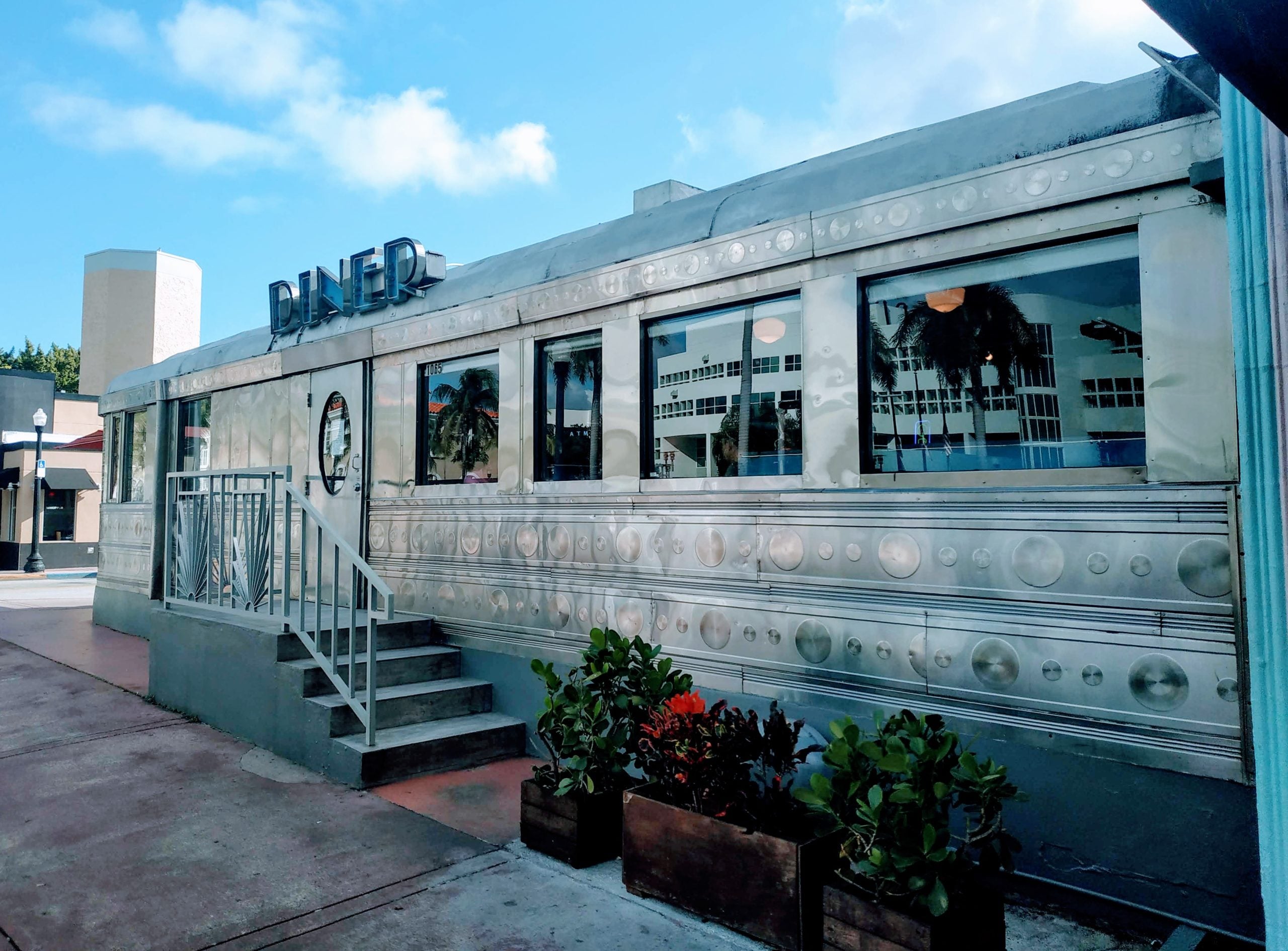
    Don’t skip breakfast this morning as you want to be fueled up for a full day of fun! Make sure to pack your swim clothes, beach towels, flip flops, sunglasses, and sunscreen before heading out. Then grab some breakfast. I recommend breakfast at the 11th Street Diner in Miami Beach.  This retro-styled railroad car diner is a fun way to kick off your day of sightseeing in Miami.  

    My second choice would be to grab breakfast at the 24 hour News Cafe, a diner that sits across the street from Lummus Park. Enjoy views of the boardwalk and the swaying of palm trees while you enjoy your breakfast.  There is indoor and outdoor seating available.

    Breakfast:

    Now that you’ve had some coffee and breakfast, you are ready to start this full day of sightseeing and soaking in the hot Miami sun!

    Things to Do with One Day in Miami

    Art Deco Architecture

    Let’s walk off breakfast and explore the Art Deco architecture that Miami Beach is so famous for. If you’re interested in learning more about the area’s history and more about Art Deco Architecture, then catch a walking tour at 10:30 a.m. in front of the South Beach Museum on Ocean Drive at Lummus Park. If you’re looking for something a little more casual, walk along Ocean Drive at your own pace, admiring the Art Deco pastels and sunny vibes before cooling off at the beach.

    Art Deco Tour Options:

    Art Deco Welcome Center Walking Tours: These 90-minute tours cost $30/adult ($25 for seniors and students). The tour allows you to step inside some of the buildings and learn more about Art Deco architecture and how it started in Miami as well as other cultural points of interest. 

    They also offer this tour as a self-guided audio tour, and you can walk at your own pace while listening to the audio guide.  It is $25 for adults ($20 seniors and students).
    Location: 1001 Ocean Drive and 10th Street, Miami Beach, FL 33139
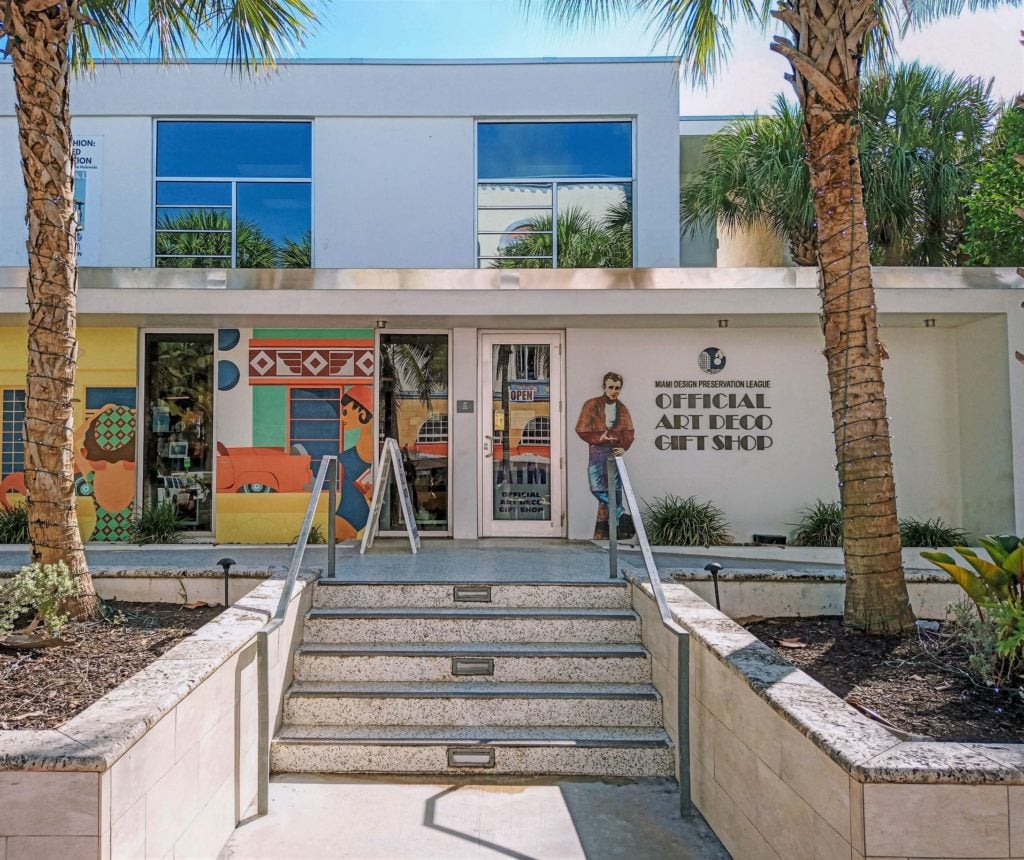
    art deco welcome center miami beach
    The Art Deco Welcome Center.

    DIY Walking “Tour” Along Ocean Drive:
    If you would rather casually walk around and admire the buildings on your own, then the two main areas you’ll want to walk down are Ocean Drive and Collins Ave.  Although you won’t see every example of Art Deco here, you will get a good feel for the style.  

    Try to find parking at the Miami Beach Municipal Parking Garage at 1301 Collins Ave, Miami Beach, FL 33139. It is a short walk to Lummus Park, the Art Deco Welcome Center, and the beach! After you park, make your way to Ocean Drive and begin your DIY Art Deco Walking Tour, starting with the Cavalier South Beach Hotel. Then continue south along Ocean Drive, admiring all the Art Deco along the way.

    • Cavalier South Beach Hotel: 
    • The Carlyle: 1250 Ocean Dr, Miami Beach, FL 33139. (You may recognize this from movies such as Bad Boys 2, The Birdcage, and Scarface).
    • Enjoy the cheerfully painted Leslie: 1244 Ocean Dr, Miami Beach, FL 33139
    • Art Deco Welcome Center: 1001 Ocean Dr, Miami Beach, FL 33139. Even if you’re not taking a tour with them, it’s still an excellent place to stop in to learn a little more about the Art Deco architecture style.
    • Edison Hotel (across the street from the Art Deco Welcome Center): 960 Ocean Dr, Miami Beach, FL 33139
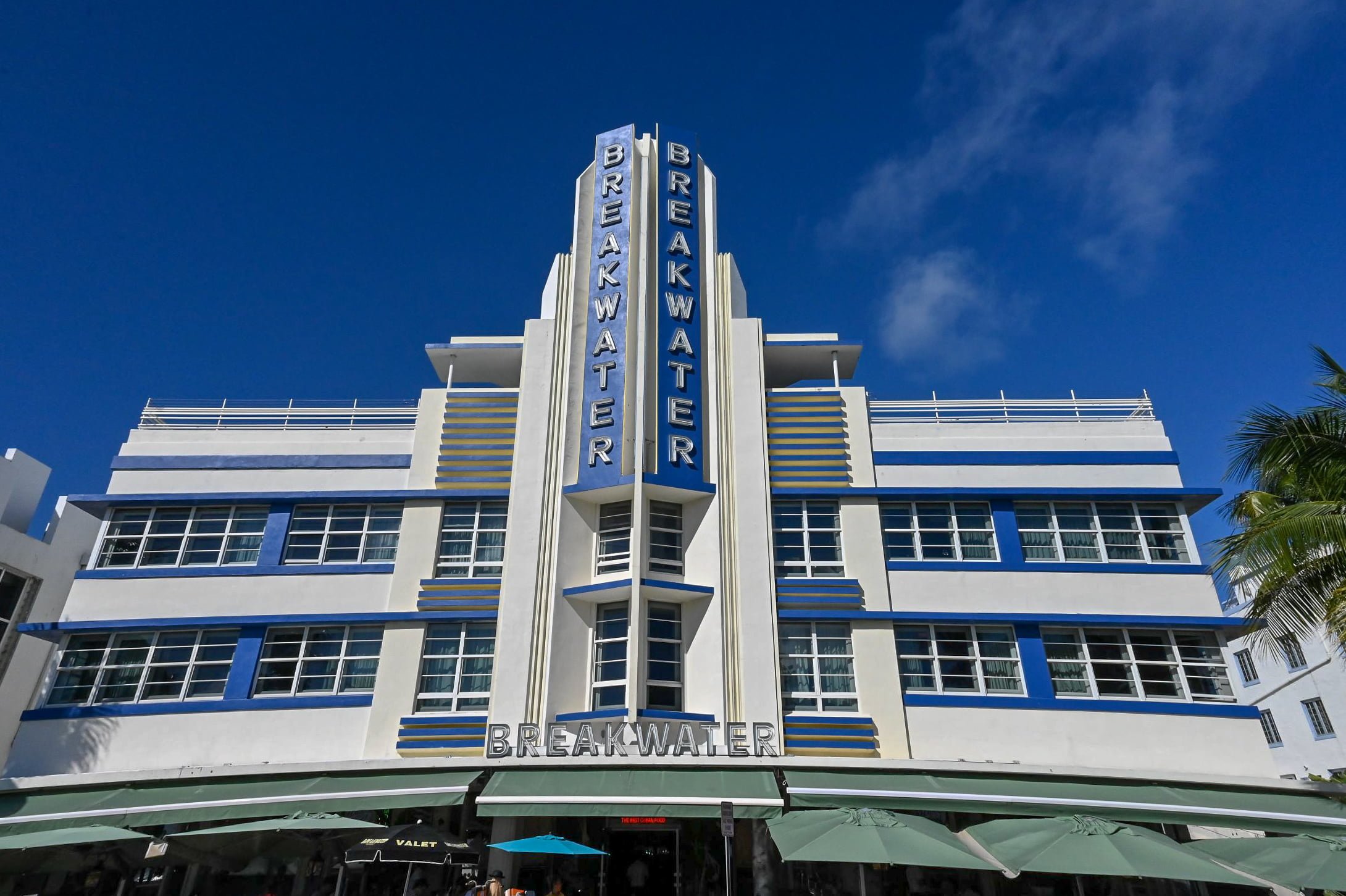
    • Hotel Breakwater South Beach (another block down from the Edison): 940 Ocean Dr, Miami Beach, FL 33139

    • Starlite Hotel (enjoy it’s pastel yellow and purple vibes): 750 Ocean Dr, Miami Beach, FL 33139

    • The Avalon Hotel (see photo at the top of the page with the classic car): 700 Ocean Dr, Miami Beach, FL 33139
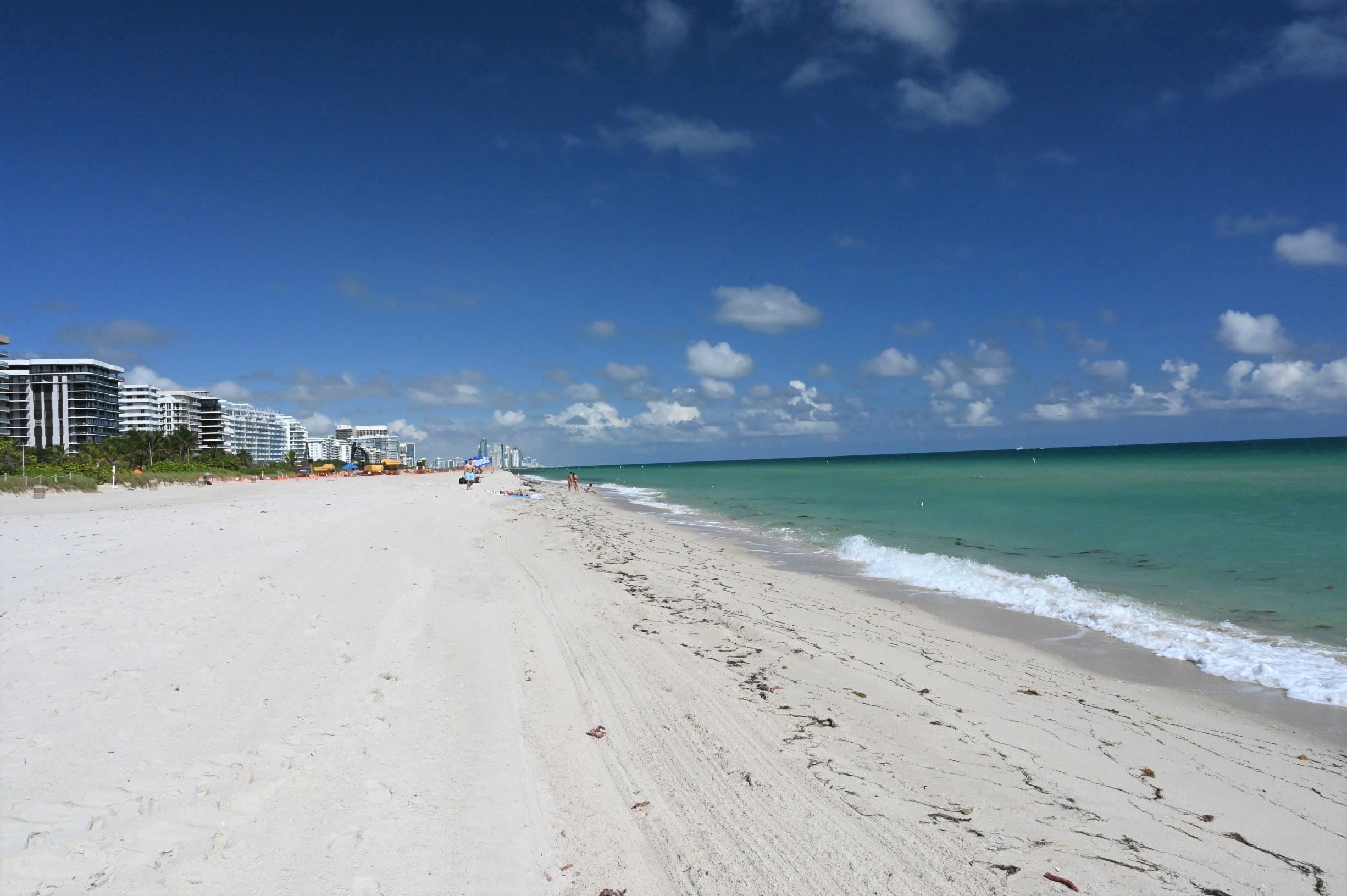
    For more Art Deco architecture styles, you can cut over two blocks west to Collins Avenue (A1A) and admire more Art Deco architecture as you circle back to your car to get your beach gear.

    Top Miami Beaches

    You can’t spend a day in Miami and not go to the beach. So now that you’ve worked up a sweat walking around and seeing Art Deco Architecture, why not take a swim and cool off at one of Miami’s beautiful beaches! The following beaches are some great options off the A1A.

    Miami Beach: Come here if you want a massive beach with options to rent chairs and umbrellas, purchase drinks and food close by and have a long stretch of beach with lifeguard huts scattered up and down the beach. Miami Beach is a massive stretch of sandy beach. However, be prepared as parking can be challenging to find. 

    Location & Parking: There are several parking garages all along Ocean Drive that you can choose from.  Due to their proximity to this popular area, they are often quite expensive.  If you’re willing to walk a few blocks, you might be able to find some street parking a little further out.  For parking garages, try Miami Beach Municipal Parking Garage, Miami Beach Parking Garage, or 953 Florida A1A Parking Garage.
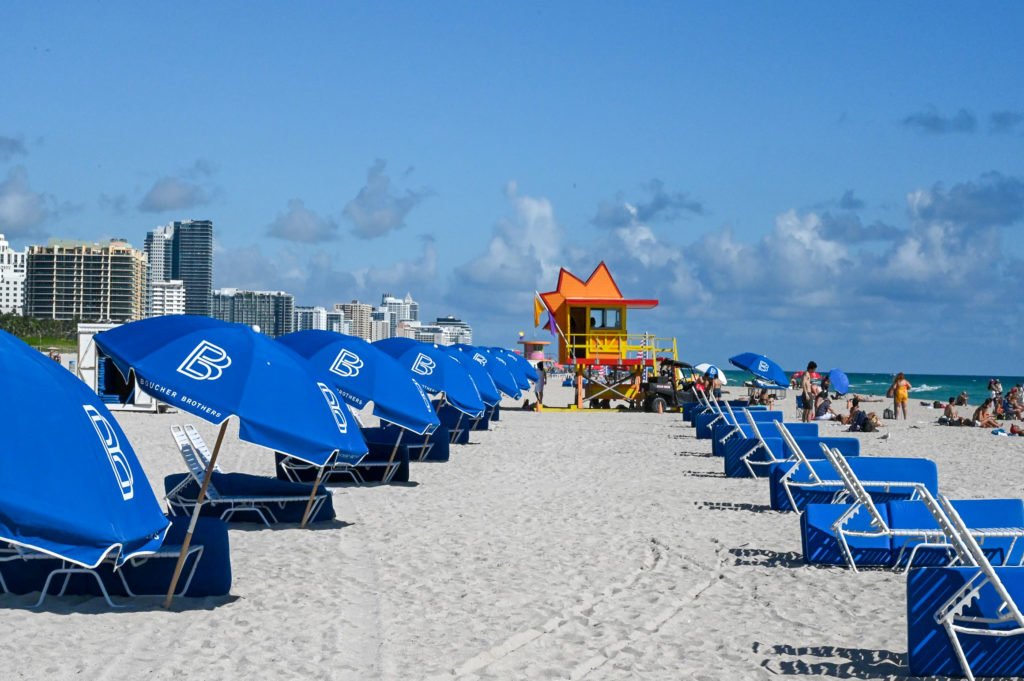
    Miami Beach lifeguard hut and umbrella chairs
    Enjoy the colorful lifeguard huts along Miami Beach.

    Allison Park, 6500 Collins Ave, Miami Beach, FL 33141: Come here if you want something a little quieter and a little cleaner than Miami Beach. This park has a playground area, workout equipment, clean bathrooms, and a beautiful beach. The only downside is limited parking. There is a small shaded parking lot for Allison Park, and if you’re lucky, you’ll snag a spot there.  However, if you are unable to find a parking spot, don’t worry, you can always try one of the other beaches listed here.

    36th Street Park, 3501 Collins Ave, Miami Beach, FL 33140: Come here and enjoy walking along the Miami Beach boardwalk.  This beachfront park has a clean beach and is away from the crowds of Miami Beach. There are bathrooms and showers here.  Park at the Miami Beach Parking lot or find street/metered parking nearby.

    North Shore Open Space Park, 8328 Collins Ave, Miami Beach, FL 33141: Come here for a large park full of picnic tables and BBQ grills, multiple restrooms, outdoor showers, and just a short walk to the beach.  The beach here is not as extensive as Miami Beach; however, there are lifeguard huts here, and you will find it to be a lot less crowded than South Miami Beach. There is lots of street parking for North Shore Open Space Park. There are also several parking garages nearby.
    Lunch Break to Regroup and Recharge

    Now that you’ve had your fill of Vitamin D, it’s time to take a break from the beach. Grab lunch at any of the many options along Ocean Drive or drive down to South Pointe Park Pier and enjoy more of the boardwalk and beach area.  You may prefer to instead grab a quick bite and squeeze in a shower at your hotel before heading to our next stop. Do what works best for you.  Here are some lunch options just in case you want to sit down to eat before moving on.

    Lunch Options:

    • The Local House: 400 Ocean Dr, Miami Beach, FL 33139
    • The Lobster Shack: 40 South Pointe Dr #104, Miami Beach, FL 33139
    • Bocas Grill Brickell (option close to the Vizcaya Museum): 2525 SW 3rd Ave, Miami, FL 33129
    • Zuuk Mediterranean Kitchen (cheaper option near Vizcaya): 1250 S Miami Ave #105, Miami, FL 33130

    Vizcaya Museum & Gardens

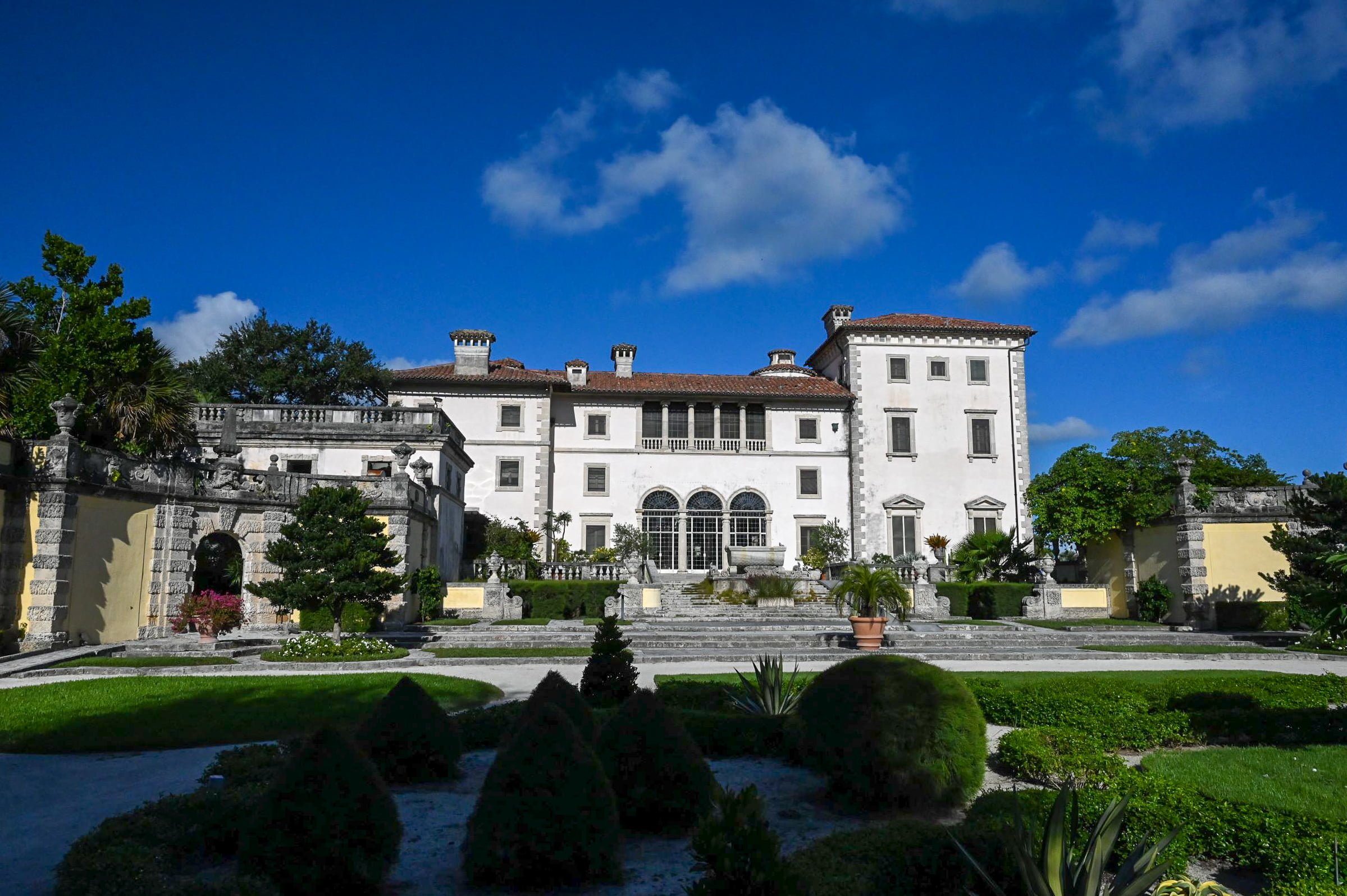
    You may only have one day in Miami, but that will be enough for you to recognize that there are a lot of wealthy people who call Miami home.  So why not explore how they live with a trip to Vizcaya Museum and Gardens–a Miami mansion turned museum. 

    If you’ve ever wondered what it’s like to live in one of Miami’s mansions, here’s your chance to peer into the lives of the wealthy. Villa Vizcaya was once home to James Deering, who spent almost ten years building this beautiful home.  

    Gaze upon the Italian inspired architecture and beautifully decorated rooms, and you may feel as though you’ve traveled to Italy, rather than a mansion in Miami.  The Venetian inspired barge and boat docks stole the show for me, not to mention the gorgeously manicured gardens.
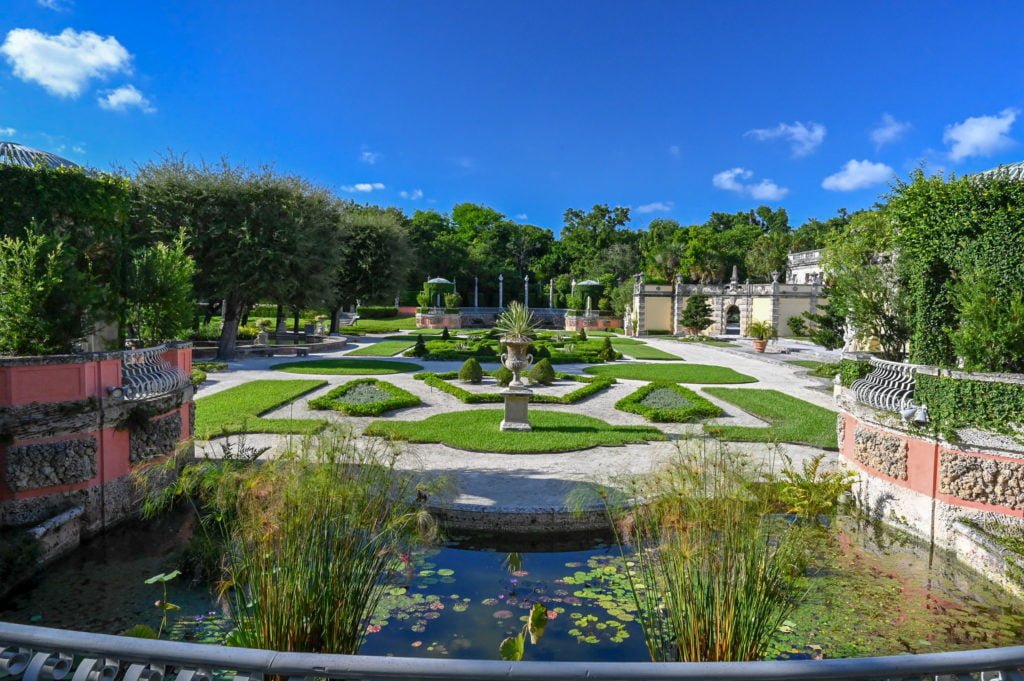
    Vizcaya Gardens
    One of the beautiful gardens at Vizcaya Museum.

    The house is stunning. However, I wonder, did James Deering enjoy it? He only lived a few years after its completion before bequeathing to his nieces. Did they feel inspired as they wandered over their beautifully manicured gardens or looked out over the water? I hope so. I know I was. 
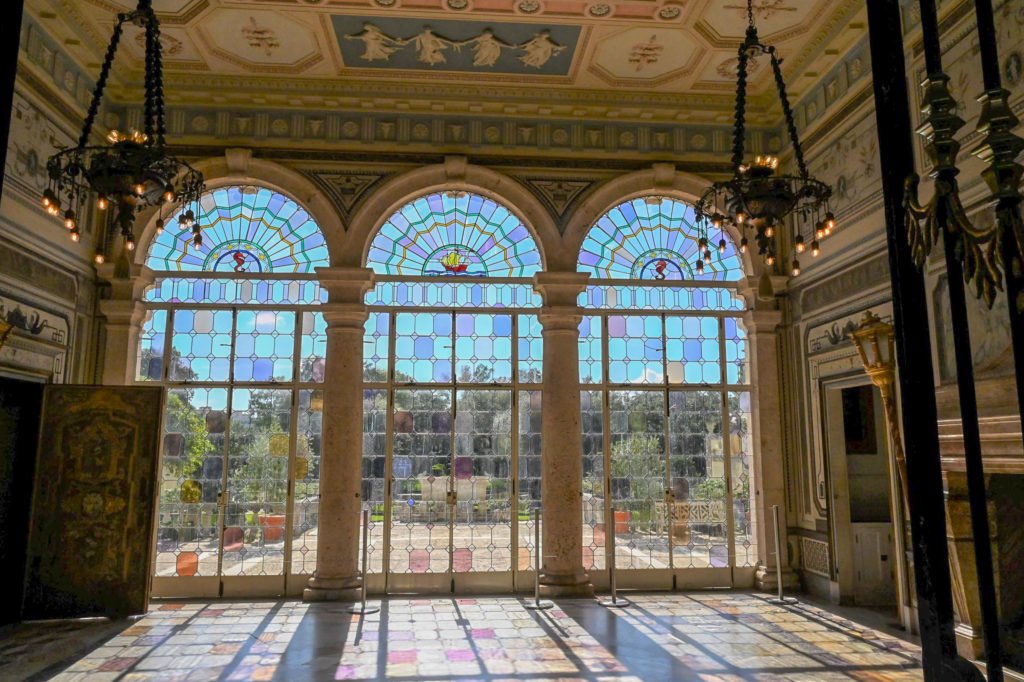
    stained glass windows
    Beautiful stained glass windows and doors leading out to the Vizcaya Gardens.

    One of the unique things about the Vizcaya Museum and Gardens is that they house the original antiquities purchased by the Deering family.  See the house as the original owner decorated it and learn what inspired its builder.
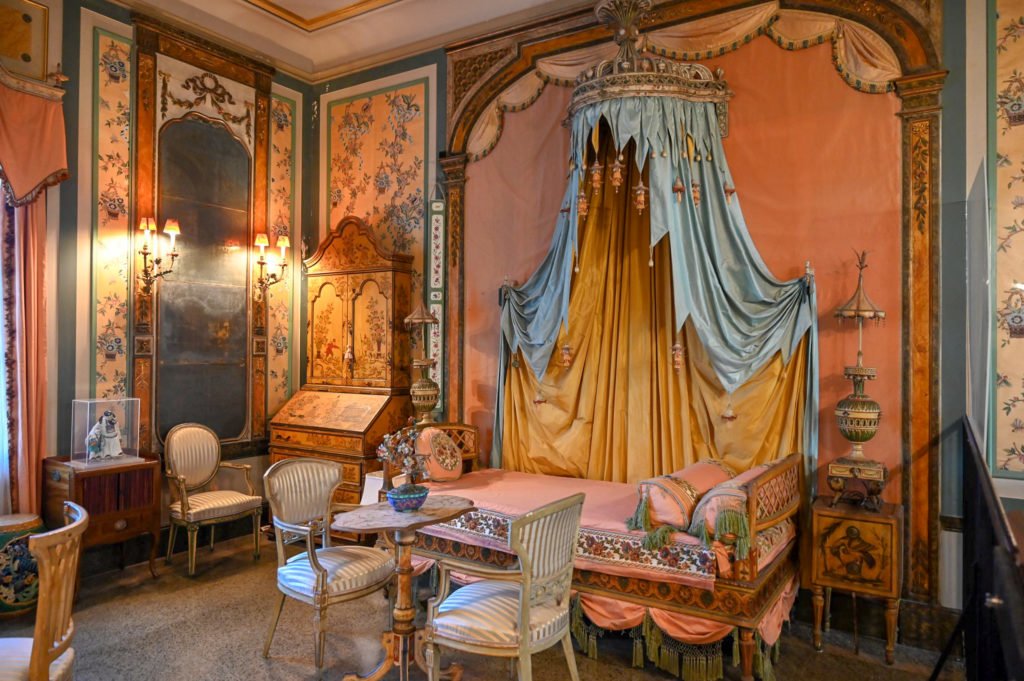
    Antique Furnished room in the Vizcaya Museum
    One of the rooms, still decorated with the original antiques from the Deering family.

    I think the Vizcaya Museum and Gardens are worth a stop during your one day in Miami. It is set on 50 acres of land and allows you to peer into the lives of the Deerings as well as give you a sense of the eclectic nature that is Miami. Don’t miss it!
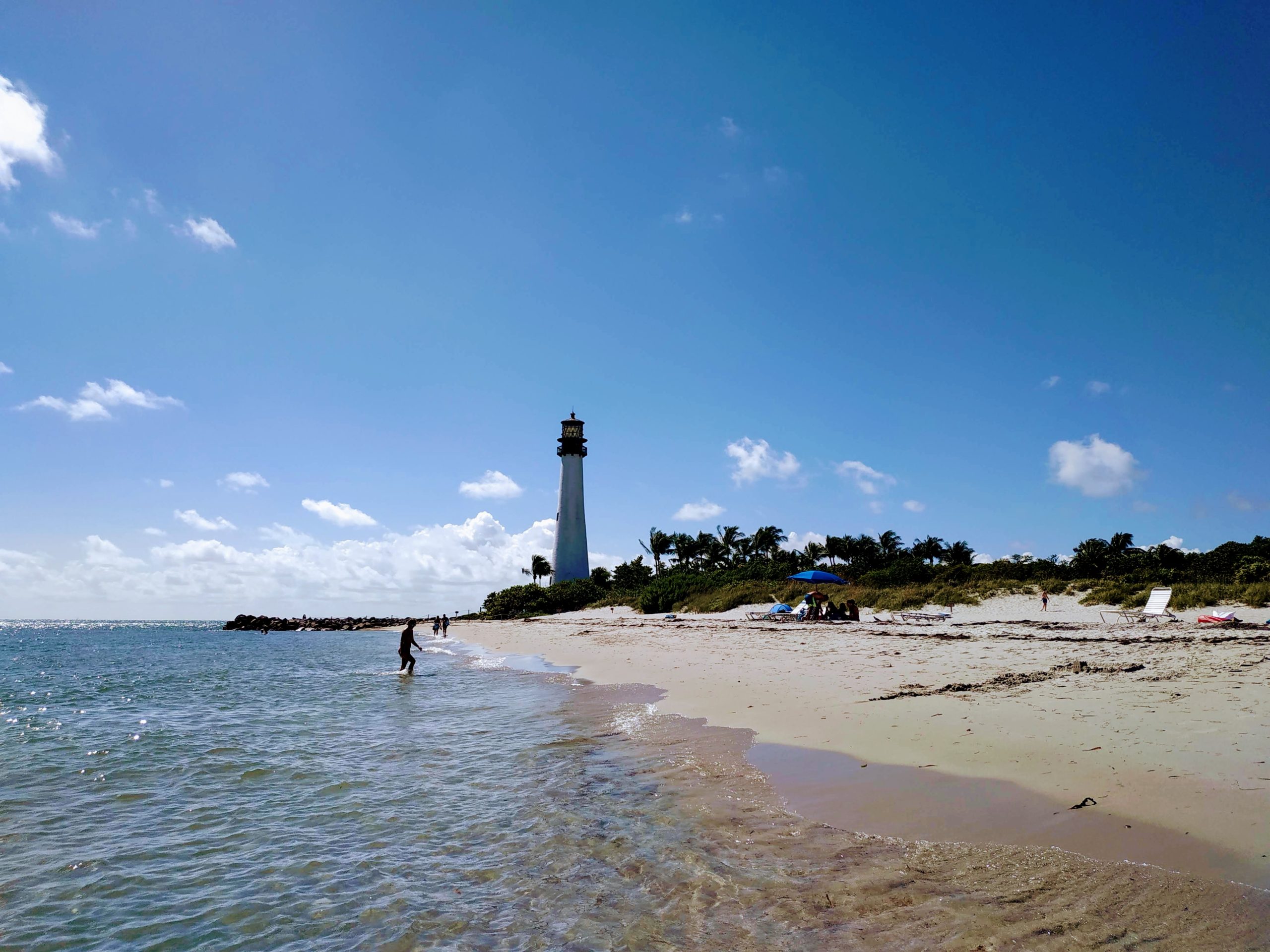
    Bill Baggs Cape Florida State Park

    After visiting the museum, if you have time, consider making a trip out to Key Biscayne and the Cape Florida State Park. Its beach is one of the top 10 in the US! So if you didn’t get a chance to swim earlier, why not tour the lighthouse and then go for a swim while enjoying views of the lighthouse. 

    Cape Florida State Park is full of history. It was once used for the underground railroad. Runaway slaves would hide on its dark beaches until they could make the passage for the Bahamas.  This continued until the lighthouse was built–illuminating the once dark beaches of Cape Florida.

    The lighthouse was built in 1825, and according to the park, it is the oldest structure in Miami-Dade.  You can climb the 112 stairs to the top and admire the gorgeous views over the bay.  The Lighthouse tower and its surrounding complex are open Thursday through Monday from 9:00 a.m. until 5:00 p.m. Guided tours take place at 10:00 a.m. and 1:00 p.m. and include a visit to the Light Keeper’s House. Tours are free and begin at the entrance gate in front of the lighthouse.

    There are lots of picnic areas at the park, restrooms for changing, and a cafe where you can grab a bite to eat or rent bicycles and ride around the park. Make sure you don’t leave any food lying around unattended as there are a lot of raccoons here as well as iguanas and birds. Visit the park’s website to learn more about all the amenities offered at Bill Baggs Cape Florida State Park.

    Address: 1200 Crandon Blvd, Key Biscayne, FL 33149
    Park Hours: The park opens at 8:00 a.m. and closes at sunset.
    Fees: It costs $8 per vehicle to enter the State Park.
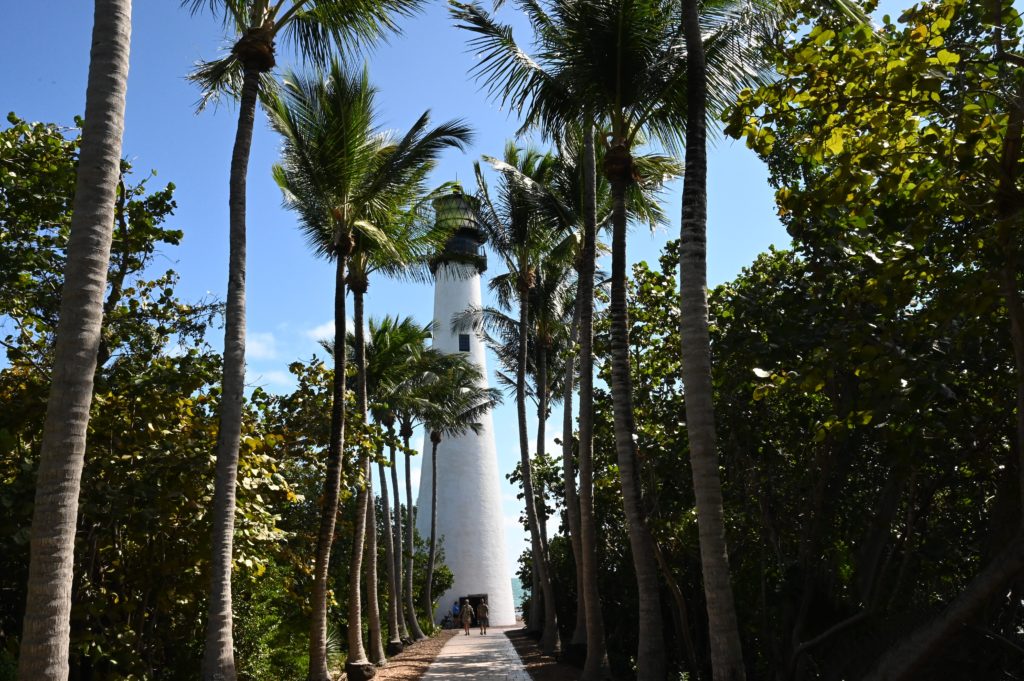
    Cape Florida Lighthouse
    The Historic Cape Florida Lighthouse.

    Dinner in Little Havana and An Evening in Miami

    Head to Versailles Restaurant in Little Havana and dine with locals and tourists at a traditional Cuban restaurant. Make sure to leave room for dessert or at least stop in at their adjoining bakery after dinner to grab some yummy key lime pie or pastries to go. Stroll through the neighborhood, and if you saved room and want some ice cream, stop in at Azcura ice cream for a treat.

    Versailles Restaurant Address: 3555 SW 8th St, Miami, FL 33135

    Azcura Ice Cream Company Address: 1503 SW 8th St, Miami, FL 33135

    An Evening in Miami:

    The evening is yours to spend how you want. Relax by the pool or see what nightlife Miami has to offer, it all depends on what you like to do! 

    If you’re up to it head back to Miami Beach to see the Art Deco buildings on Ocean Drive lit up in neon lights. It really has that feeling of Miami you’ve seen in the movies with the palm trees & neon lights.

    You can also stroll through the Lincoln Road pedestrian shopping and dining area or visit one of the hottest neighborhood’s in Miami and shop at The Shops at Mary Brickell Village. If shopping isn’t your thing, consider visiting Wynwood Walls and enjoying some art murals before it gets too dark.

    • Lincoln Road Shopping District (pedestrian street in Miami Beach): Lincoln Rd, Miami Beach, FL 33139
    • The Shops at Mary Brickell Village: 901 S Miami Ave, Miami, FL 33130
    • Wynwood Walls: 2520 NW 2nd Ave, Miami, FL 33127
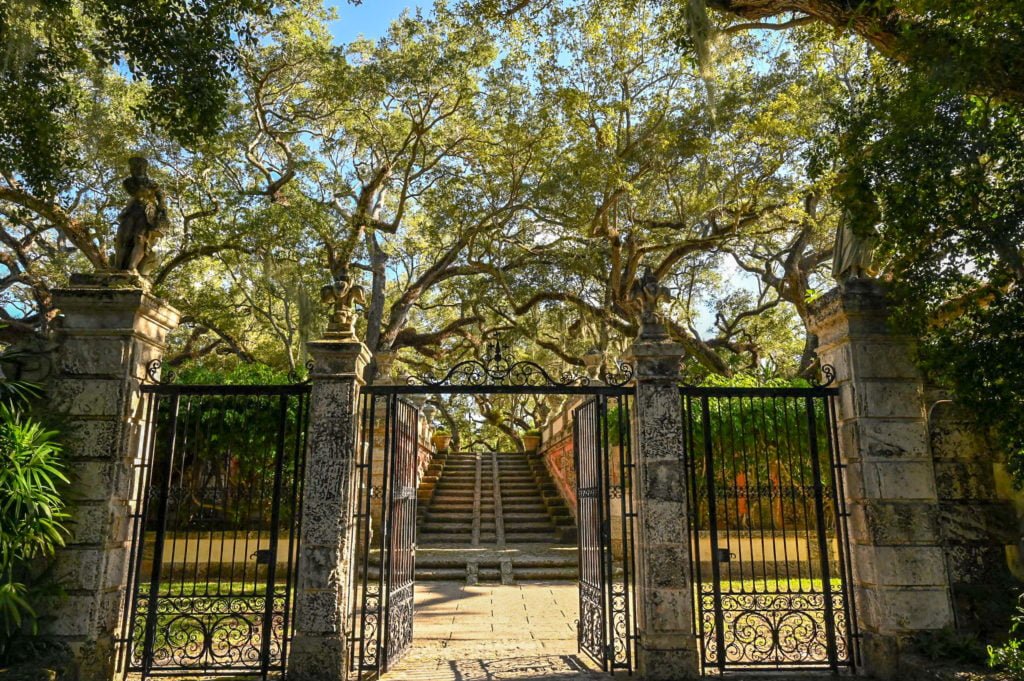
    vizcaya garden gates
    Gates to one of the many gardens at Vizcaya Museum.

    Closing Thoughts and Tips

    As I mentioned in the beginning, there are so many things to do in Miami that you can’t possibly seem them all in one day. I recommend a mixture of sightseeing and relaxing as the best way to get a feel for this luxurious city.

    Choose where you stay, based on whether you want to participate in the Miami nightlife or prefer a more quiet area to sleep. If you like to be right in the midst of the noise and the hustle and bustle, then you might choose to stay in South Beach.  However, if you prefer to sleep at night, select one of the quieter neighborhoods, Coral Gables, Brickell, or Coconut Grove make good choices. 

    We stayed in the Coconut Grove neighborhood and loved it.  There are a lot of great coffee shops nearby, plenty of restaurants and parks and it felt safe. 

    Make sure to familiarize yourself with the beach flags on Miami’s beaches. Talk to a lifeguard if you are unsure about the conditions. 

    If you’re looking for more great destinations in Florida, consider visiting St. Augustine, the oldest city in America. Read about my day trip to St. Augustine from Orlando to learn more about this historic city. Whatever you decide to do, soak in the sun, and have fun!

    Have a beachy day!

  • Day Trip to St. Augustine Florida: America’s Oldest City

    If you’re planning a trip to Florida,  consider adding St. Augustine to your travel itinerary. I found myself in Orlando with some extra time and decided to take a day trip to St. Augustine. I am so glad that I did!  There are so many things to do in St. Augustine that you could easily spend a few days here. However, with a day and some careful planning you can get a good feel for this historic city.

    You will be delighted by its rich history and beautiful architecture and of course it doesn’t hurt that it is located on one of Florida’s beautiful coastlines!  In this post, I’ll cover some of the top sights that you can see on a day trip to St. Augustine, and perhaps you’ll find yourself returning for a night or two in this amazing city.

    A Little Background on St. Augustine, Florida

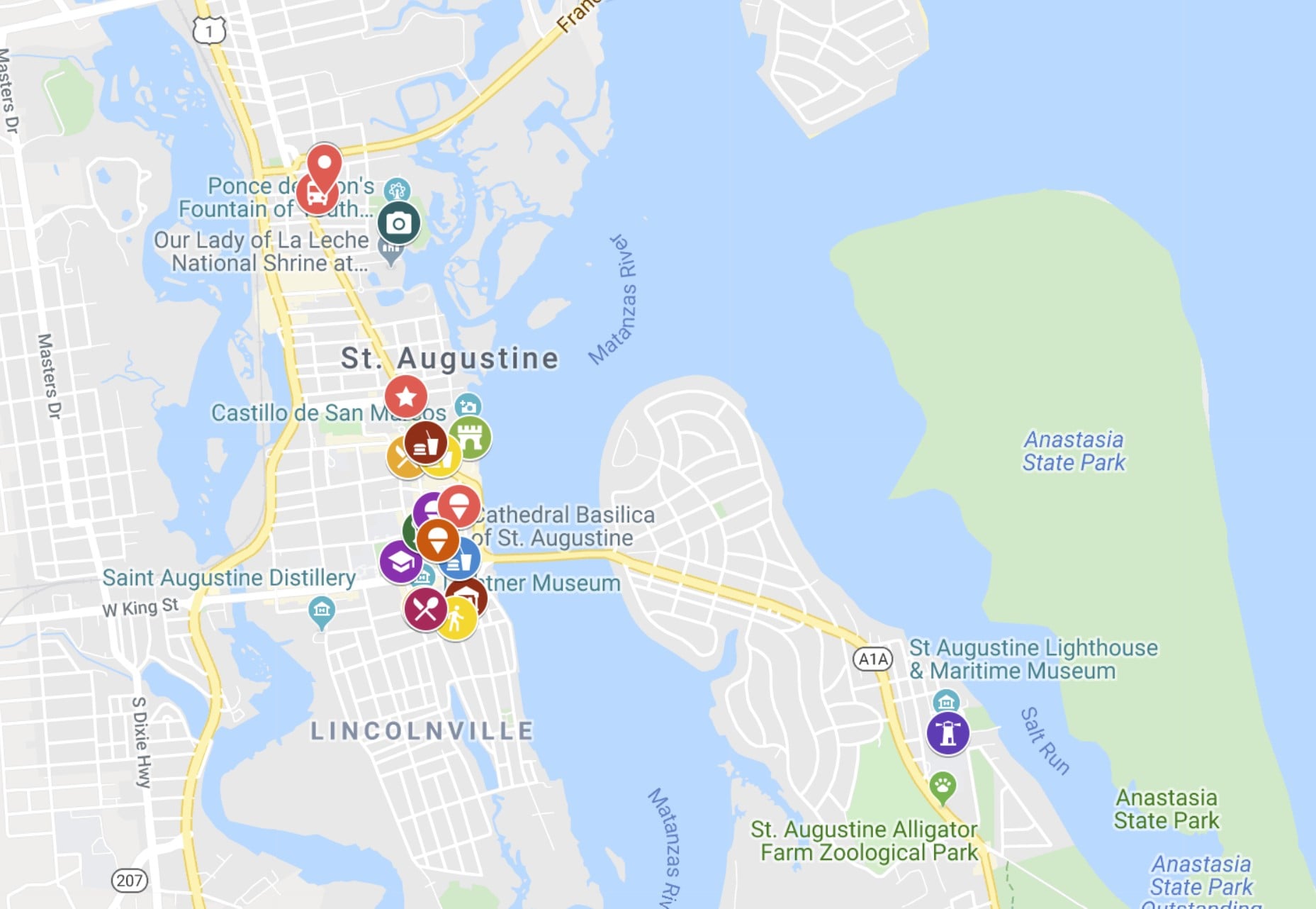
    St. Augustine is the oldest city in America.  How cool is that! The Spanish first settled St. Augustine in 1565, and you will notice the Spanish influence in the architecture of many of the buildings here.  St. Augustine has a unique story and history buffs will love learning about the chronology of events that led to Florida becoming an American territory. Pirates, wars, and oil tycoons all played a part in the story of St. Augustine. 

    Even if you are not a big fan of history, you will undoubtedly be able to appreciate the beautiful buildings and unique setting. Plus, who doesn’t want to visit the site of the Fountain of Youth? I mean, maybe, just maybe, your sip from the fountain will be “the sip.” Don’t you at least want to try?

    Making the Most of your Day trip to St. Augustine

    Start early. I recommend you arrive no later than 9:00 a.m. If you’re like me and making the day trip to St. Augustine from Orlando, the drive takes a little over 2 hours one-way, if you’re staying on the coast, say in Daytona, then your trip will be around 1 hour. I recommend grabbing a quick bite and a coffee for your drive and then planning another coffee break once you’re in St Augustine. 

    Getting Around St. Augustine, Florida

    You have a couple of options for getting to the sights in St Augustine.  

    Walk & Drive to the Sights: Park at the Visitor Center Parking Garage and walk to the various attractions. It is $15/vehicle for the day. The main attractions are about a 10-15 minute walk from the parking garage.  Please note that most places close at 5:00 p.m., so plan your sightseeing accordingly and make sure to pick up a free map at the Visitor’s Center.

    There are a few sights you will want to drive to, however they have their own free parking, so you won’t need to pay for parking twice. In the post below, I will explain which ones those are, and how I recommend ordering your day trip to St. Augustine.

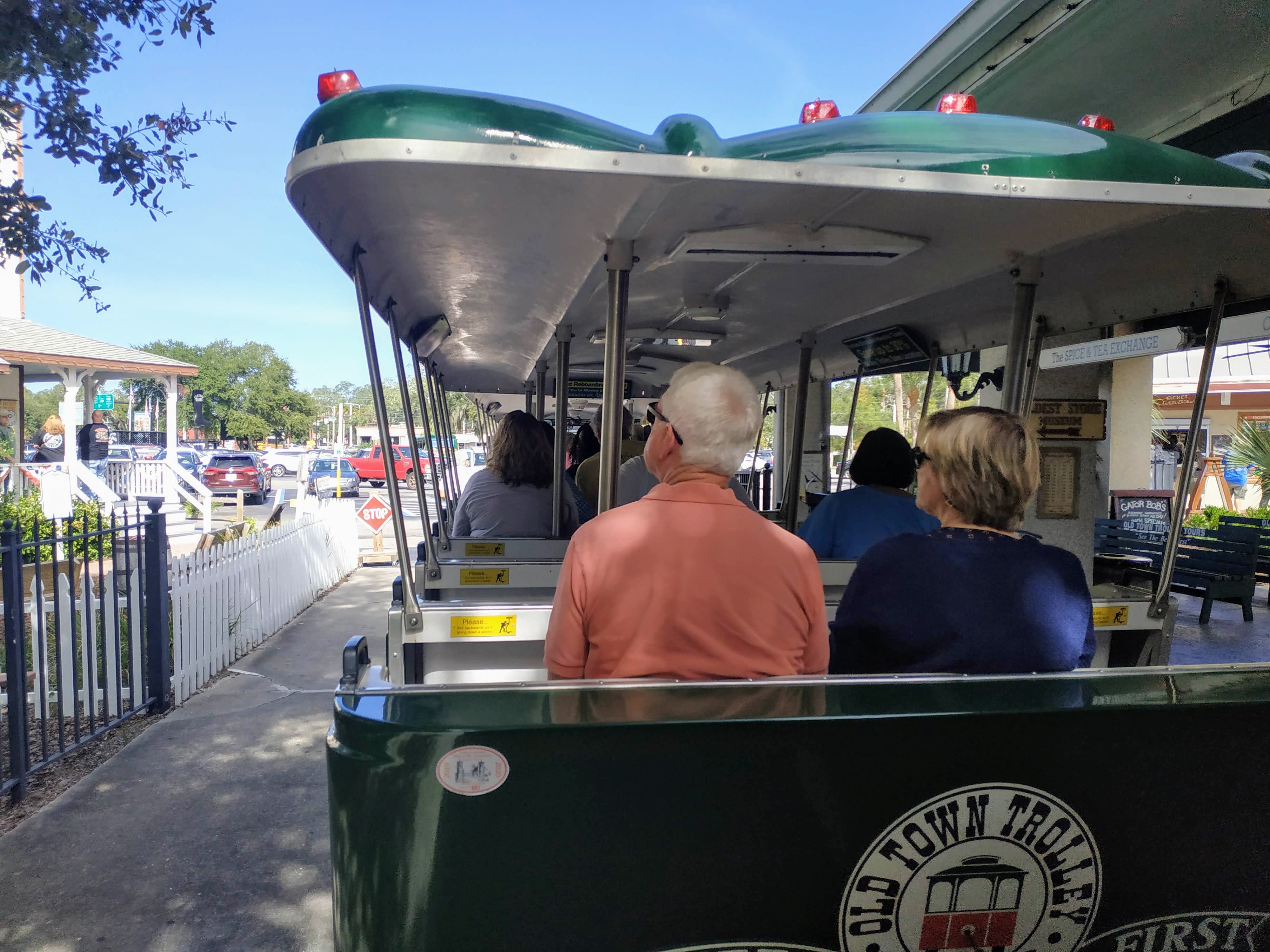
    Take a Trolley Tour: Old Town Trolley Tours stops at 23 different stops along their route. Your ticket is good for the whole day.  Your legs get a rest, and you get some shade over your head on those hot sunny days. Plus, you get to hear about the history of the area as you ride from stop to stop. And of course, if you have any mobility issues that hinder your ability to walk for extended periods, this is the way to go.

    Your budget will help determine which choice you take. If you purchase your ticket online (no printer required), the one day trolley ticket cost around $25. This is what I did. However, if I were in a group, I would choose the more budget-friendly parking option and walk.  As it was, I did a fair amount of walking anyway, as things were close, and I didn’t always want to wait for the next trolley.

    How to Organize Your Sightseeing​

    With only one day, you will want to look at some of the options ahead of time and then structure your day in order of what is most important to you. Try to see the sights in order of what’s most important to you to least important. That way, if you run out of time, you’ll have at least seen your top picks.

    Below I will highlight my choices for my day trip to St. Augustine. However, I will also list a few additional options should you have more time. You can click on the links below to jump to a section to learn more about that site.

    What to Do on a Day Trip to St. Augustine

    Castillo de San Marcos

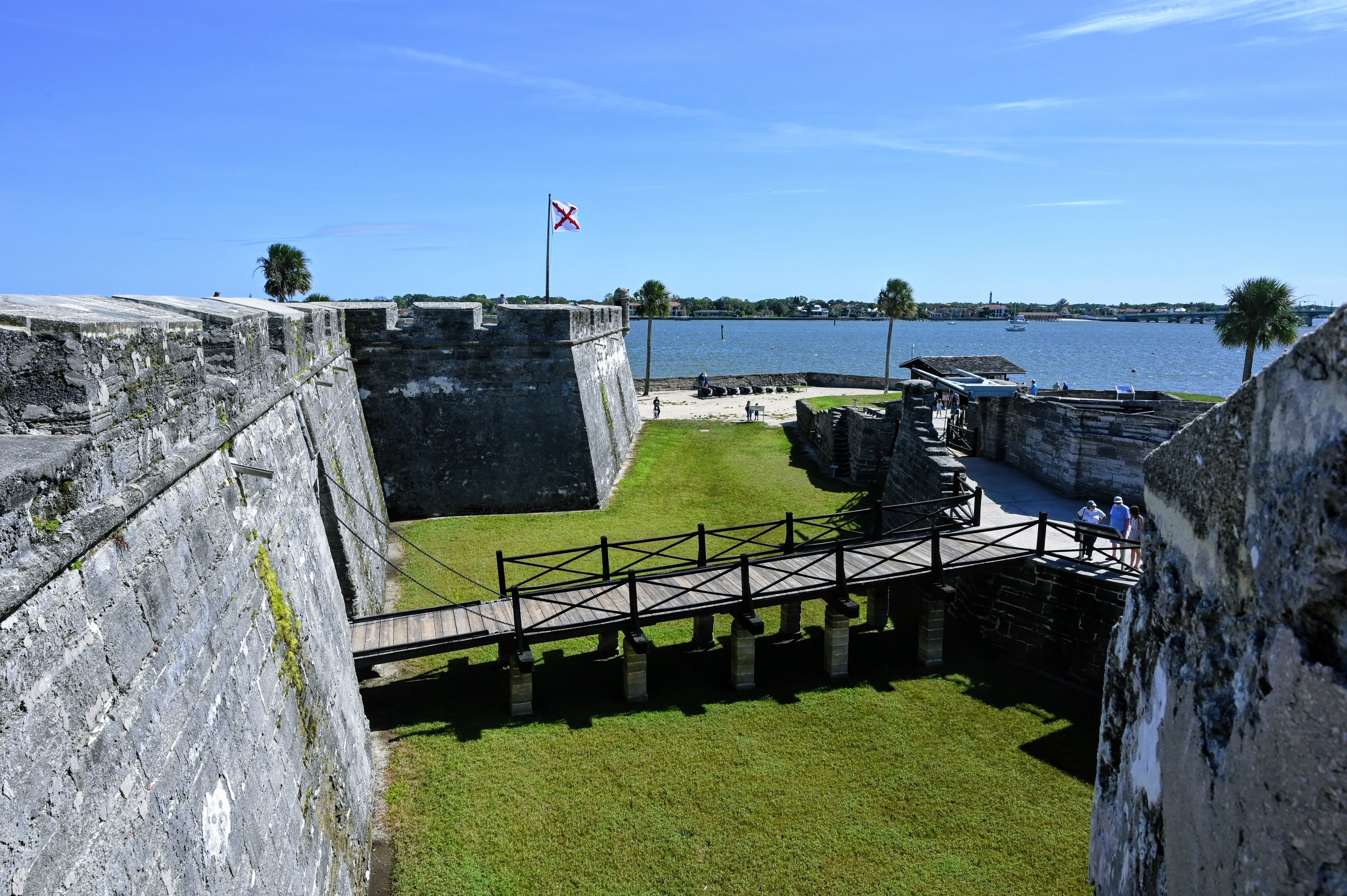
    My first stop was Castillo de San Marcos.  It is just up the street from the Visitor Center and close to the Colonial district and St. George Street. I stopped at the Colonial Quarter across the street from the Castillo de San Marco for a coffee and a snack before walking over to Castillo de San Marcos. 

    Construction on the Castillo de San Marcos began in 1672. Talk about history! History buffs will love learning about the fort’s history through the centuries. It was a refuge, storehouse, military defense, and now a historic landmark. They also shoot real cannons on Fridays, Saturdays, and Sundays. 

    Even if you are only mildly interested in history, it’s worth a quick tour inside to learn more about this fort that has been here for over three centuries! However, if your budget is tight, or you have other sights you don’t want to miss, you can always save this for later in the day and then decide if you have time. You can also take a walk around the outside and enjoy views of the water.

    Time Spent Here: I spent less than an hour here, however for history buffs who want to watch the videos and participate in discussions with the park rangers, you might want to allow yourself two hours.

    Colonial Quarter & St. George Street Pedestrian Area

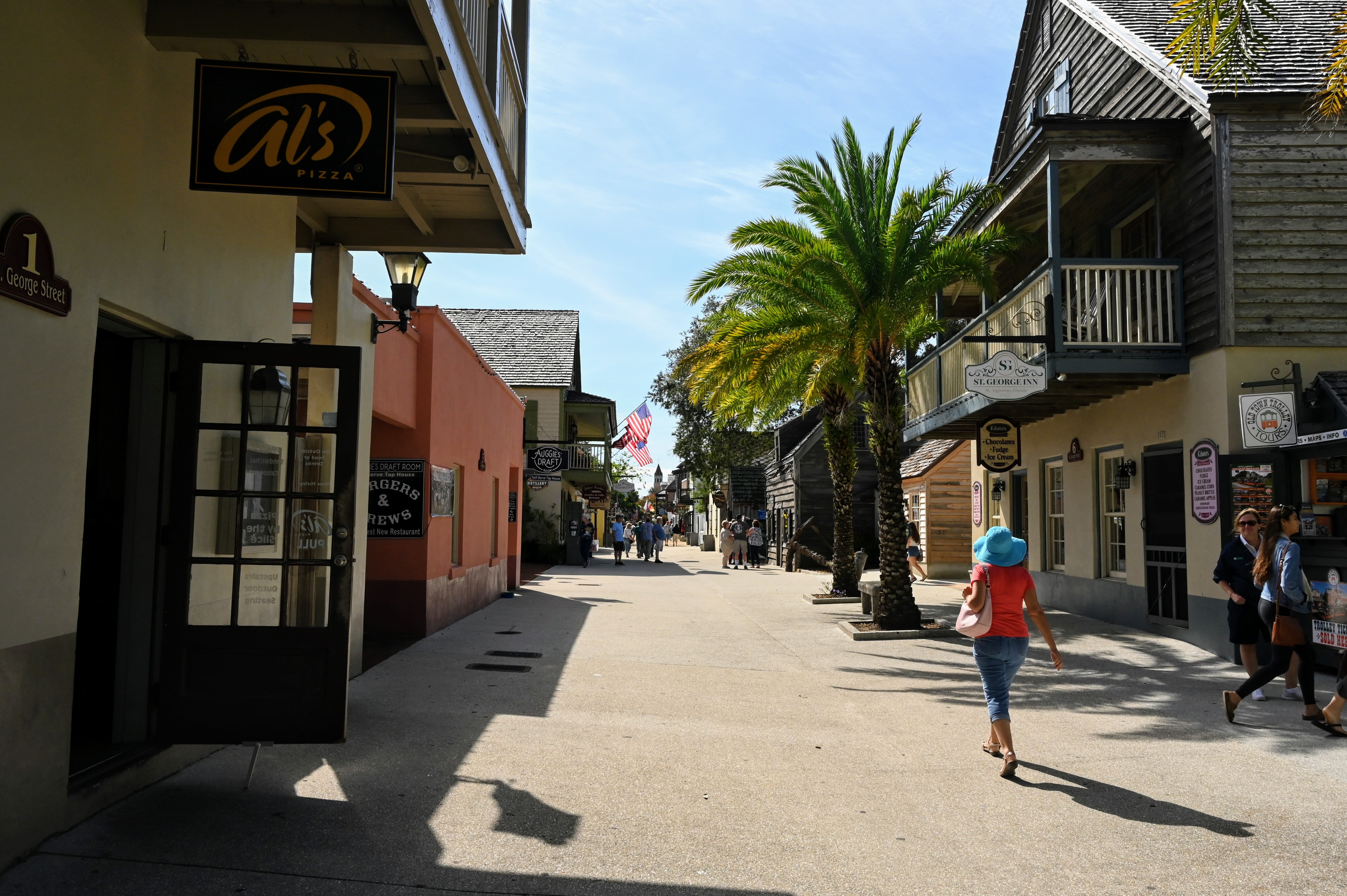
    As I mentioned above, the Colonial Quarter is across the street from the Castillo de San Marcos. If you need a cold drink or an ice cream before you get started with more sightseeing, then pop in here. The Colonial Quarter is also the home to America’s oldest schoolhouse. The pedestrian-only St. George Street walking area also begins here.  This stretch of road is a great area to shop for souvenirs or grab a bite to eat.

    Lightner Museum

    Spend any amount of time in St. Augustine, and you will see the influence of Henry Flagler on the city. Flagler was the co-founder of Standard Oil. He was extremely influential in the development of Florida’s coast and also founded a railroad company. He was a man who saw what he wanted and had the means and the vision to make it a reality. Flagler visited St. Augustine, fell in love with the area, but determined it needed a hotel, and it needed a transportation system to get people there.  So, he built both.

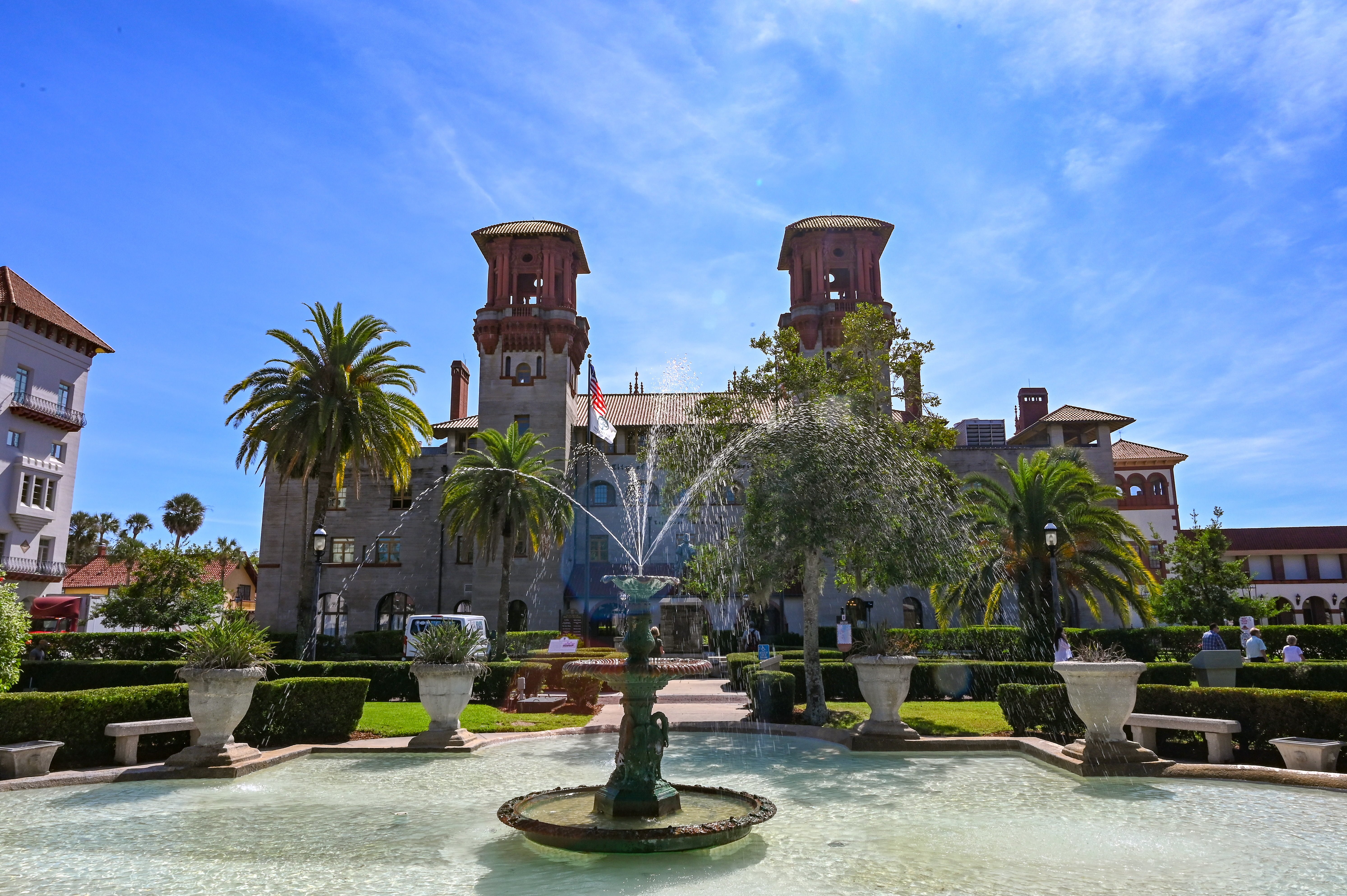
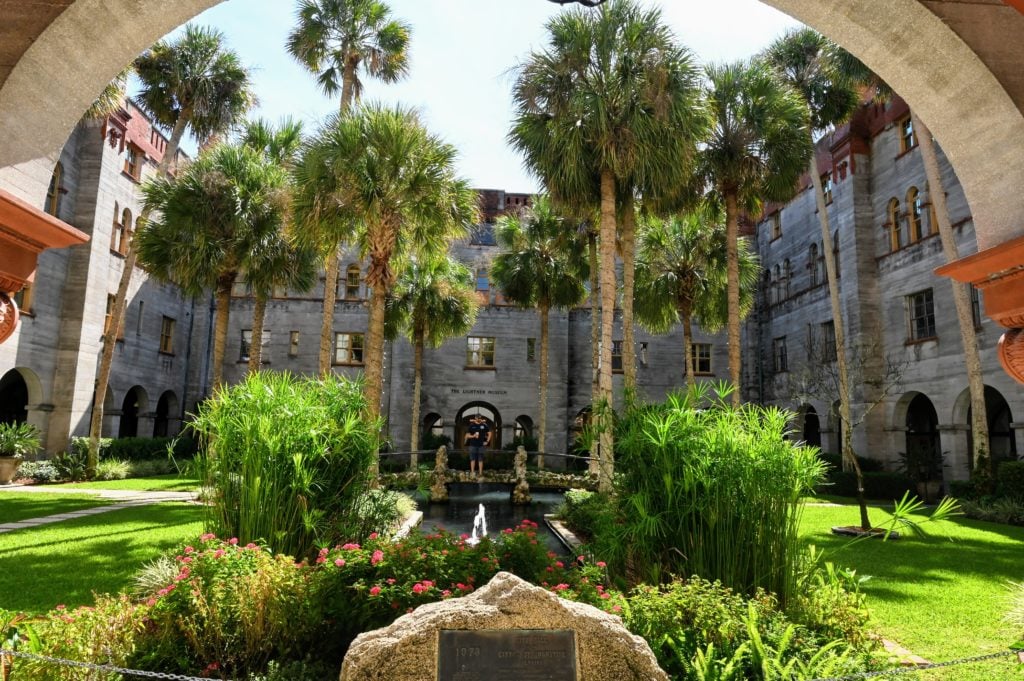
    The Alcazar Hotel, was one of Flagler’s extravagant hotels that catered to the uber-rich. It is now home to the Lightner Museum. The Lightner Museum is a gorgeous building, and although it is a small museum, it is absolutely worth your time.  They have an eclectic collection of antiquities that makes for an interesting and unique visit. 

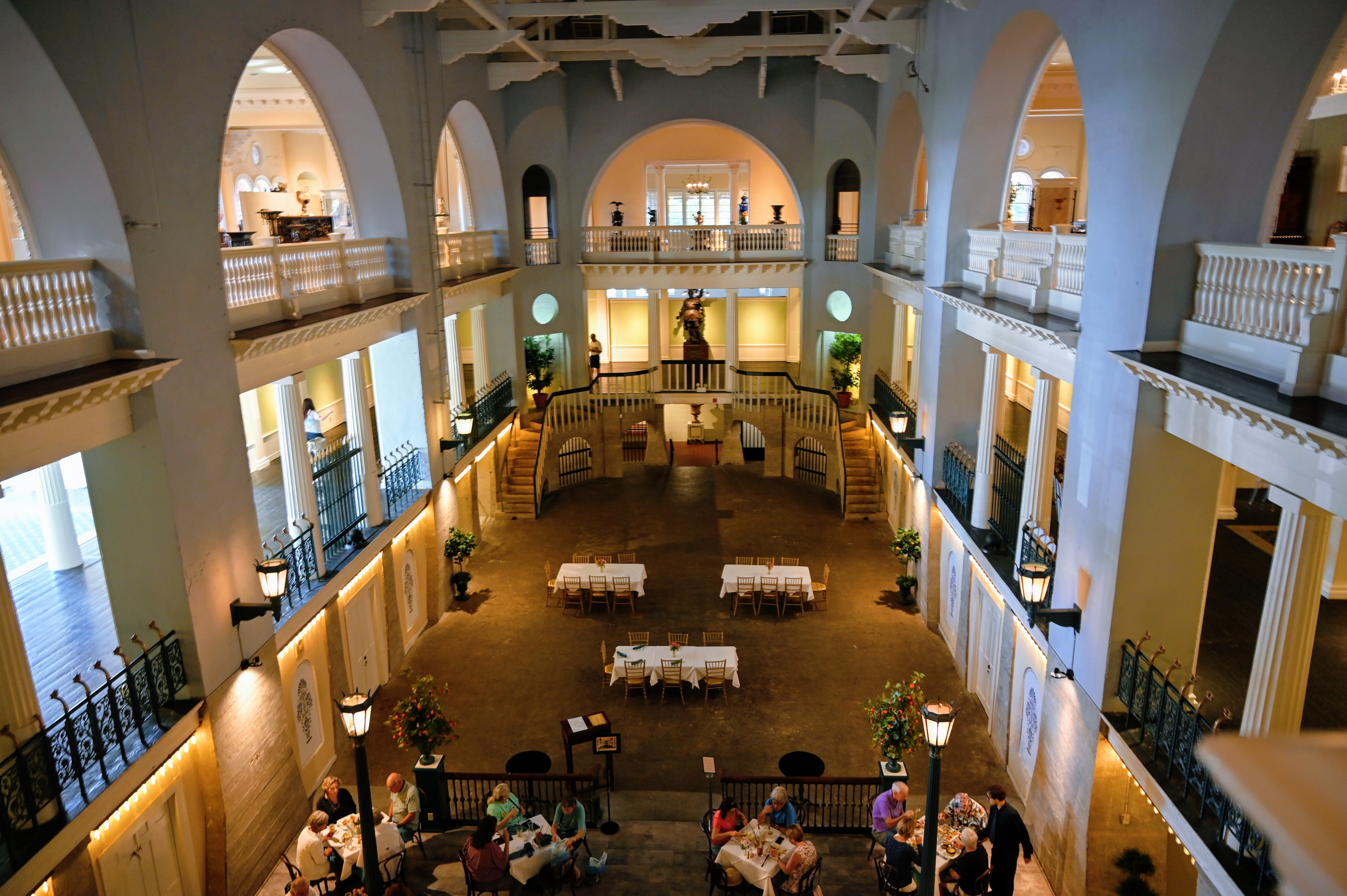
    Lightner Museum Courtyard
    The inner courtyard at Lightner Museum.

    The Lightner Museum has a beautiful courtyard and three levels to the museum. My favorite floor was the first floor with its extensive collection of seashells and antique musical instruments. They offer daily antique mechanical music demonstrations at 11 a.m. and 2 p.m. The musical instruments date back to the late 1800s. 

    In addition to the beautiful artifacts, Lightner Museum also houses one of the best spots for lunch in St. Augustine. Cafe Alcazar is a restaurant in what was once the swimming pool of the original Hotel Alcazar. Now how often can you tell someone that you dined in a swimming pool? They are only open for lunch between 11 a.m. and 3 p.m., so you’ll want to plan accordingly.

    Time Spent: Less than 1 hour.

    Flagler College

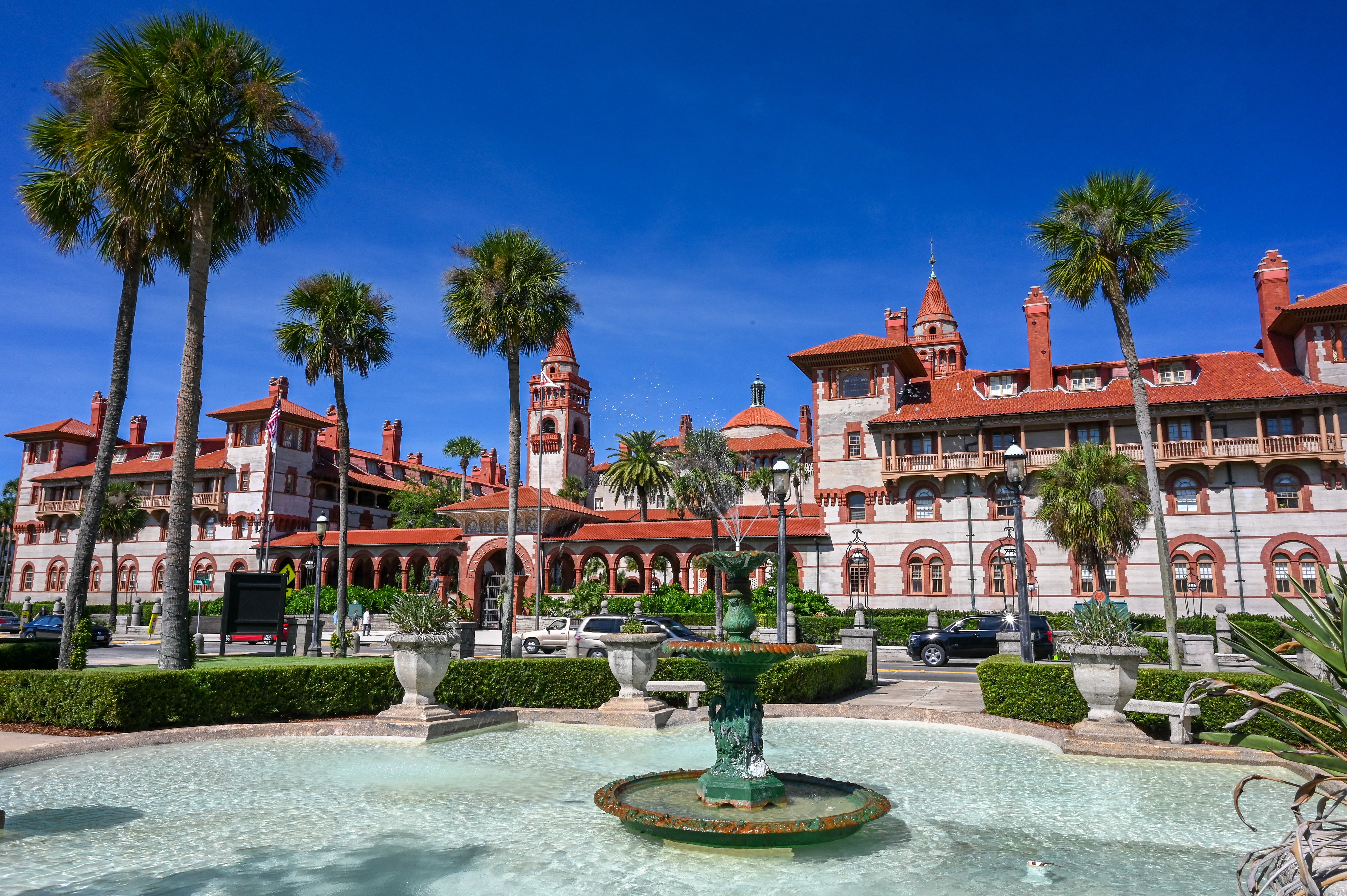
    Flagler College, once the home of the Ponce de Leon Hotel, is across the street from the Lightner Museum. Completed in 1888, it was the first hotel that oil tycoon Henry Flagler built in St. Augustine, and it is a stunning piece of Spanish architecture.  Henry Flagler was a detailed man, and you can see the excellent care he took with every detail of this hotel. 

    It is home to one of the largest collections of Tiffany glass still housed in their original location. Flagler had 79 stained glass windows installed in what is now the college dining hall, and those original 79 Tiffany glass windows are still there today. 

    Flagler College Tour

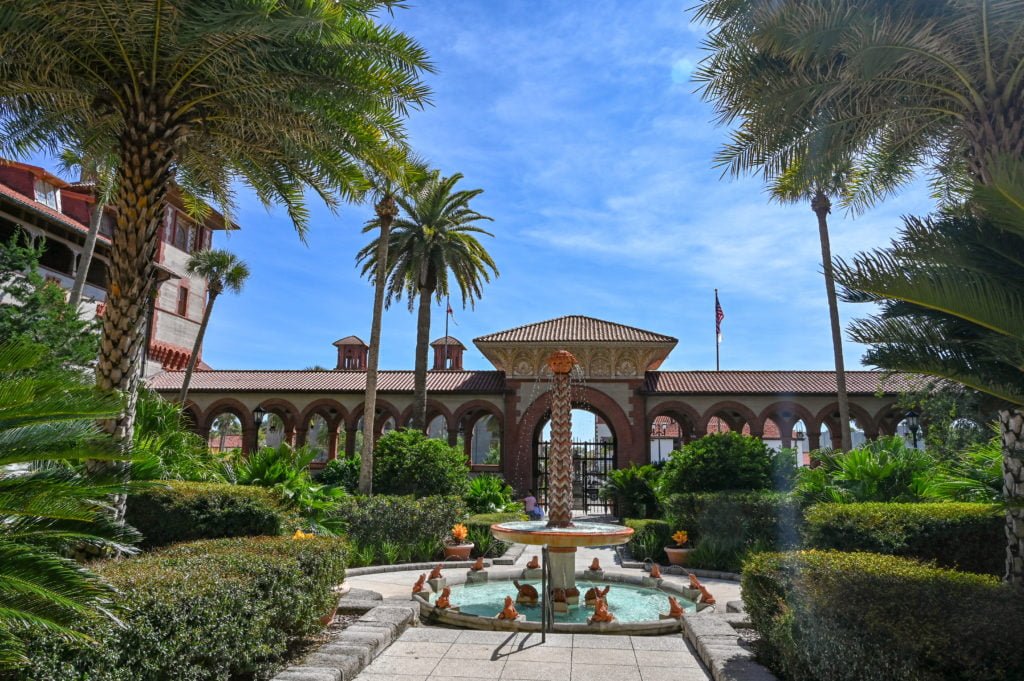
    You can take a 1-hour tour of the college. They provide a lot of fascinating history as to Henry Flagler and the Ponce de Leon Hotel. The tour takes you to the dining hall to view the collection of Tiffany stained glass windows, and you’ll also explore the courtyard with its frog fountain that also doubles as a sundial. 

    Flagler College frog fountain sun dial
    The frog fountain and sundial in the courtyard at Flagler College.

    You will finish out the tour by viewing what was once the women’s grand parlor. It is here you will see beautiful Austrian crystal chandeliers and a clock made from the largest piece of solid white onyx in the western hemisphere. 

    Our guide was a college student who was very proud and knowledgeable about the history of her school. She offered fun historical information regarding the period in which the hotel operated. I found it quite comical to learn that women weren’t allowed to stay in the same room while the men paid for their room, as seeing so much cash, might cause them to faint or become ill. So they were taken to a women’s sitting room for their protection. How thoughtful.

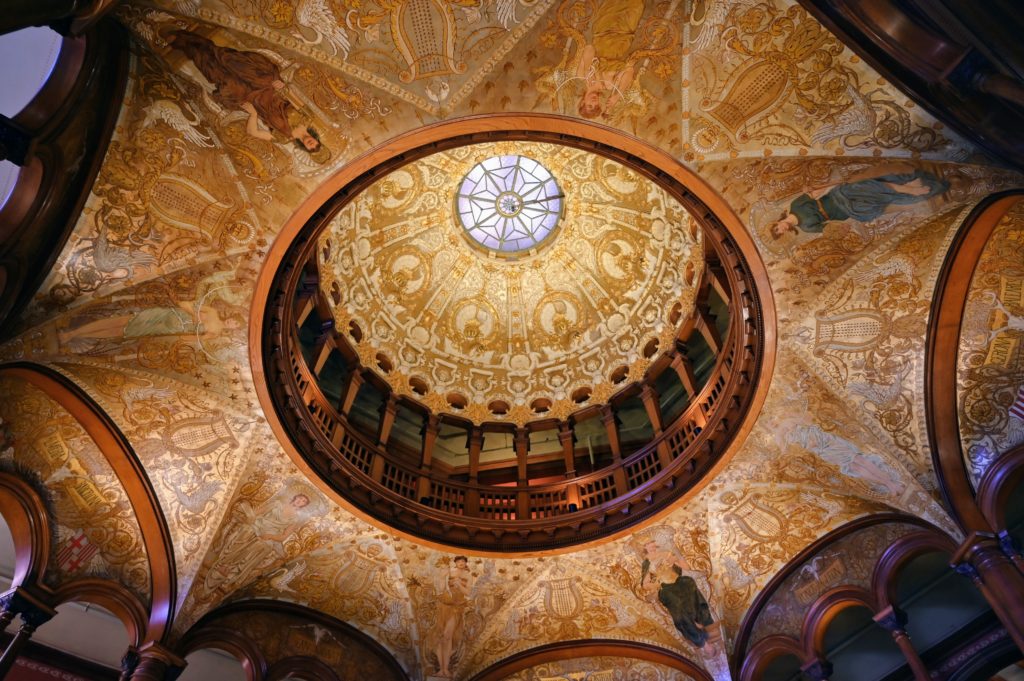
    Domed Ceiling at Flagler College
    Even if you don’t take the tour, stop in to admire this beautiful ceiling at Flagler College.

    Time Spent: 1 hour 30 minutes. The tour is 1 hour. However, I took a little extra time taking photographs and admiring its beauty. If you don’t have the time or aren’t that interested, you can skip the tour and pop inside the main hall entrance to take a look at the beautiful woodwork and stunning ceiling.

    The Ponce de Leon’s Fountain of Youth Archaeological Park

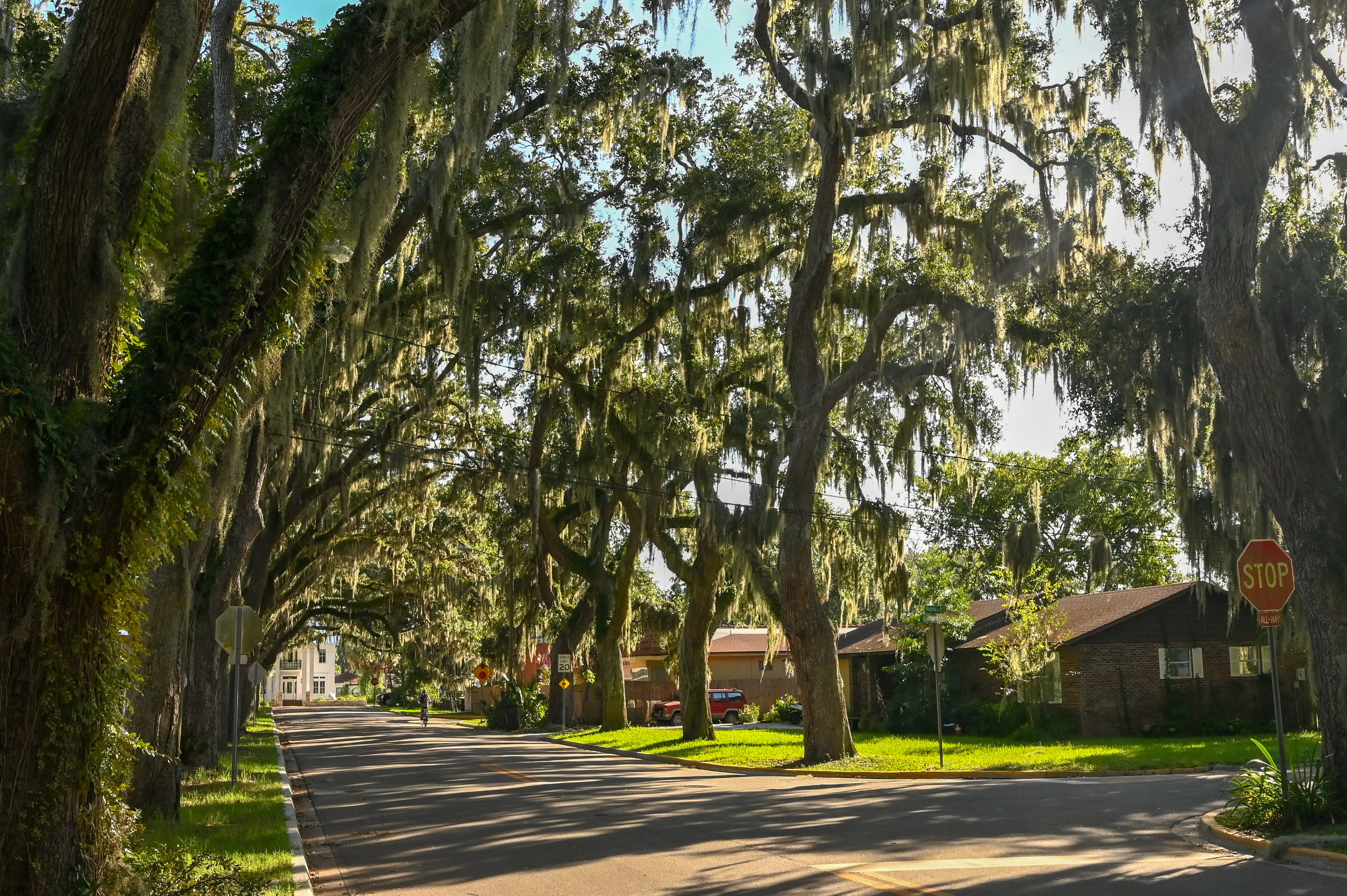
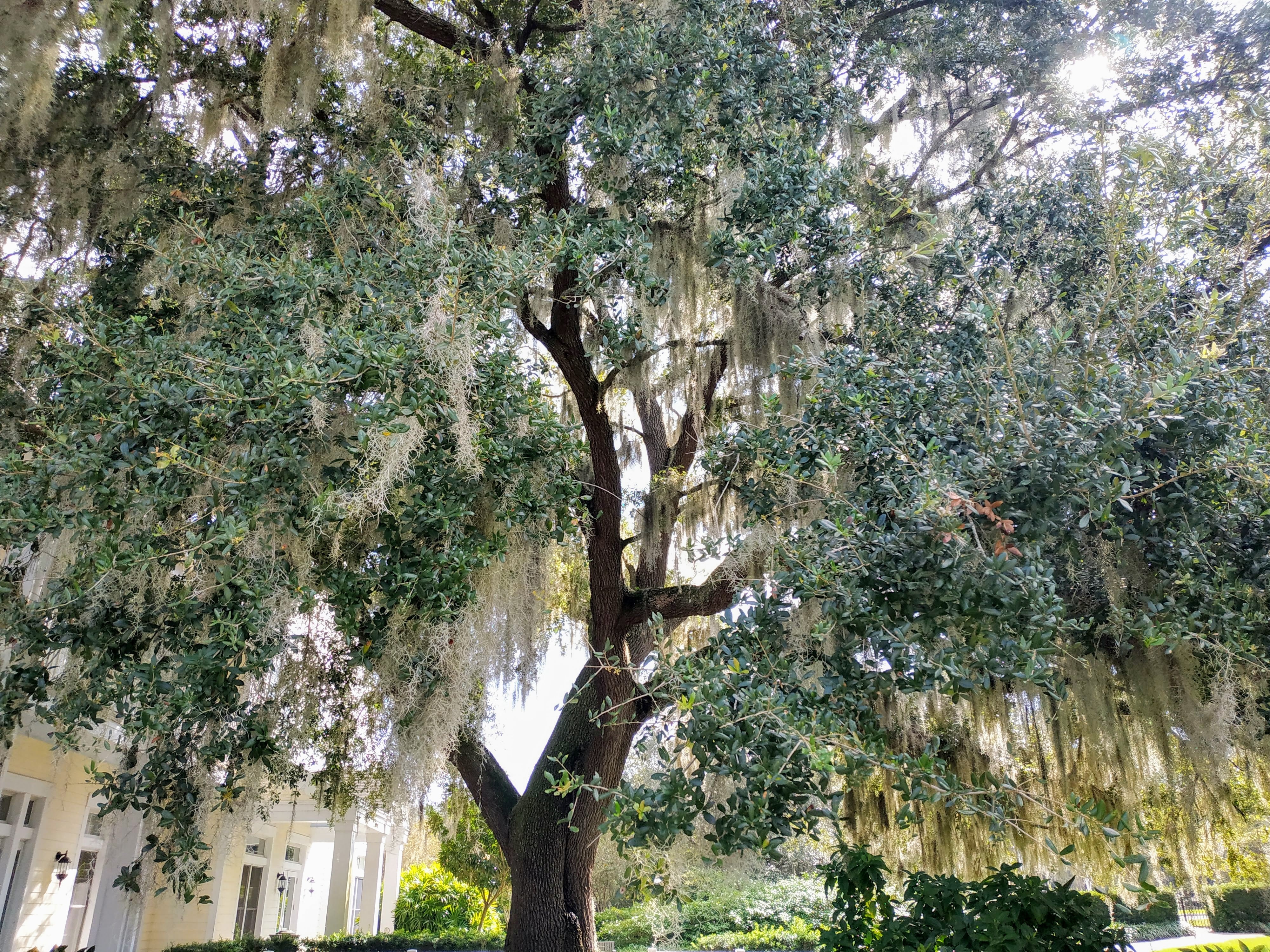
    I did not get to tour this park or drink from the Fountain of Youth. Unfortunately, during my visit, their credit card machines were down, and since I rarely carry cash, I was out of luck! So I guess I will have to live out my mortal life like the rest of the human race. However, it wasn’t all for nothing, as I was able to walk down Magnolia Avenue. Covering Magnolia Avenue is a live oak canopy draped in Spanish moss. Even if you don’t plan to visit the Archaeological Park, take the 5-minute detour to drive down this beautiful stretch of road.

    Time Spent: Less than 30 minutes. However, if you can tour the park, I’d estimate you’ll need an hour or more, depending on your interest level. 

    St. Augustine Churches

    If you’re walking to the various sites, make sure as you make your path towards Lightner Museum and Flagler College that you pass by the following two churches on your way. Henry Flagler constructed Grace United Methodist Church, and you will notice the similarities in its design and that of Flagler College. Visitors can typically stop in to tour it during the week from 1 p.m. to 3 p.m.  

    Flagler Memorial Presbyterian Church is another church built by Henry Flagler. This one has a much different design than the Grace Methodist Church and was constructed as a memorial to his only daughter Jenny. They offer self-guided tours Monday through Saturday from 11 a.m. to 3:45 p.m. 

    Even if you don’t want to tour the interiors of the churches, they are worth a glance as you walk or ride by on the trolley. If I were to choose one to take the time to walk thru, I would select Flagler Memorial Presbyterian Church for its unique design and background.

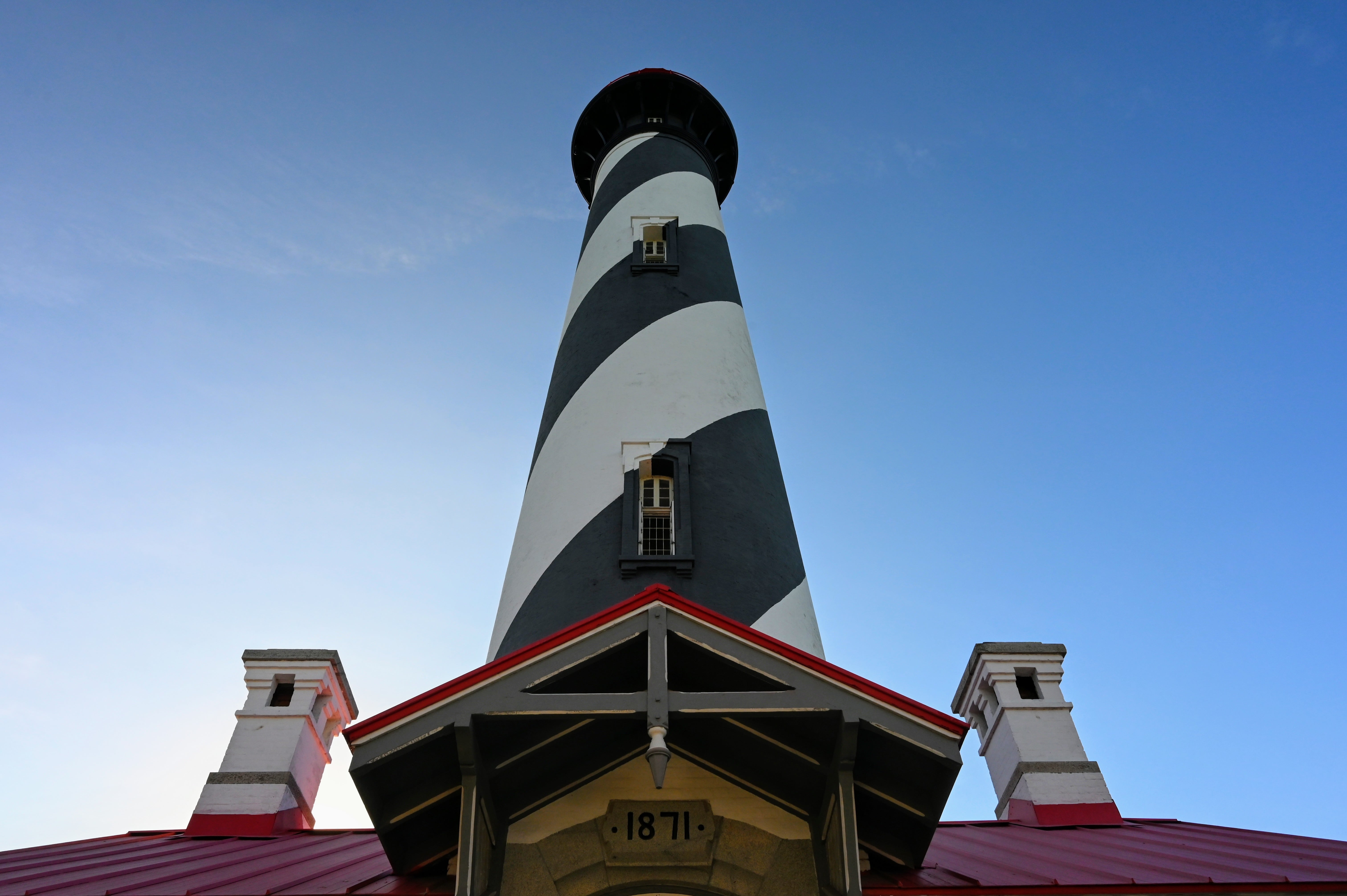
    St. Augustine Lighthouse & Maritime Museum

    Here’s another excellent museum option that families will enjoy. It is full of historical significance and beauty. I was fascinated to learn how close the German U-boats came up this coastline. In addition to highlighting the lighthouse’s participation in WWII, they also have a wonderful exhibit on the US Coast Guard with beautiful paintings portraying the heroics of this vital branch of our military. 

    I would have been happy to visit here for the ability to tour the lighthouse all on its own. However, this stop offers a lot more than just the lighthouse. It gives a glance into the lives of lighthouse keepers, history on the lens used to reflect the light, its use during WWII, exhibits on building wooden boats, and there is even a walking trail and garden area. I feel that it is worth your time, even with only a day trip to St. Augustine.

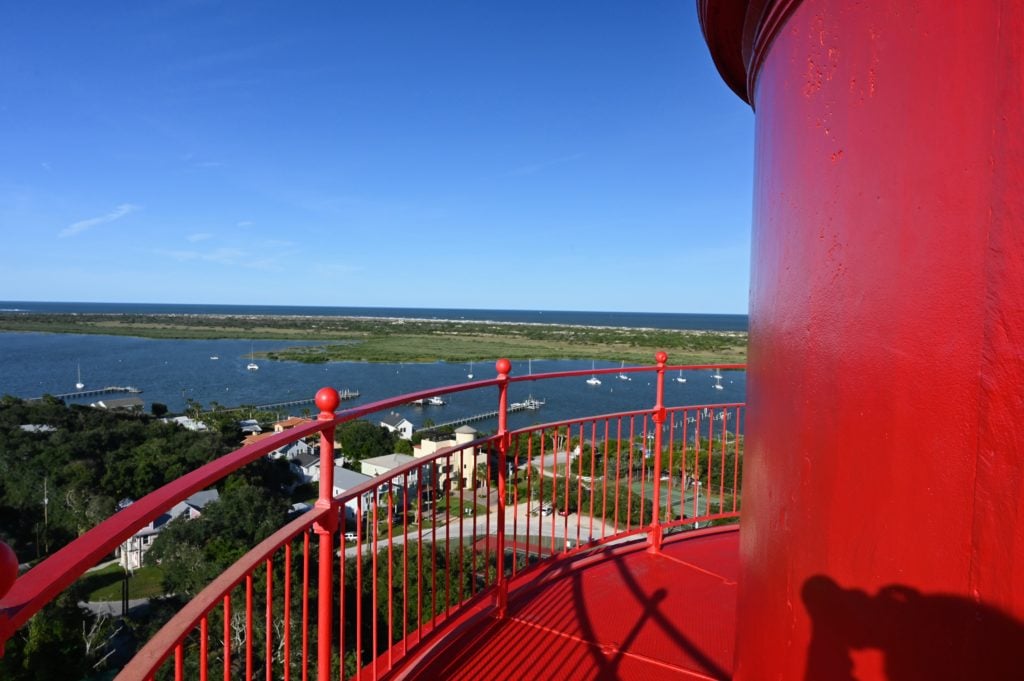
    View from the top of the St. Augustine Lighthouse
    The view is worth the 219 stairs I had to climb.

    The volunteers at St. Augustine’s Lighthouse and Maritime Museum are so helpful and full of knowledge regarding this lighthouse and the history surrounding it. Make sure to ask them any questions you might have. And to pass along a tip given to me by one of the workers here, if you want a beautiful sunset photo of the lighthouse, then drive across the street to the Marina and walk out along the long dock for views of the lighthouse.

    Getting Here: This is one of the sites you will need to drive to. I saved it for last since it was outside the town area. It is about a 10-minute drive from town, and there is plenty of free parking at the museum.

    Time Spent: Approximately 1 hour, including a stop at the marina across the street. 

    Additional Sites if Time Allows

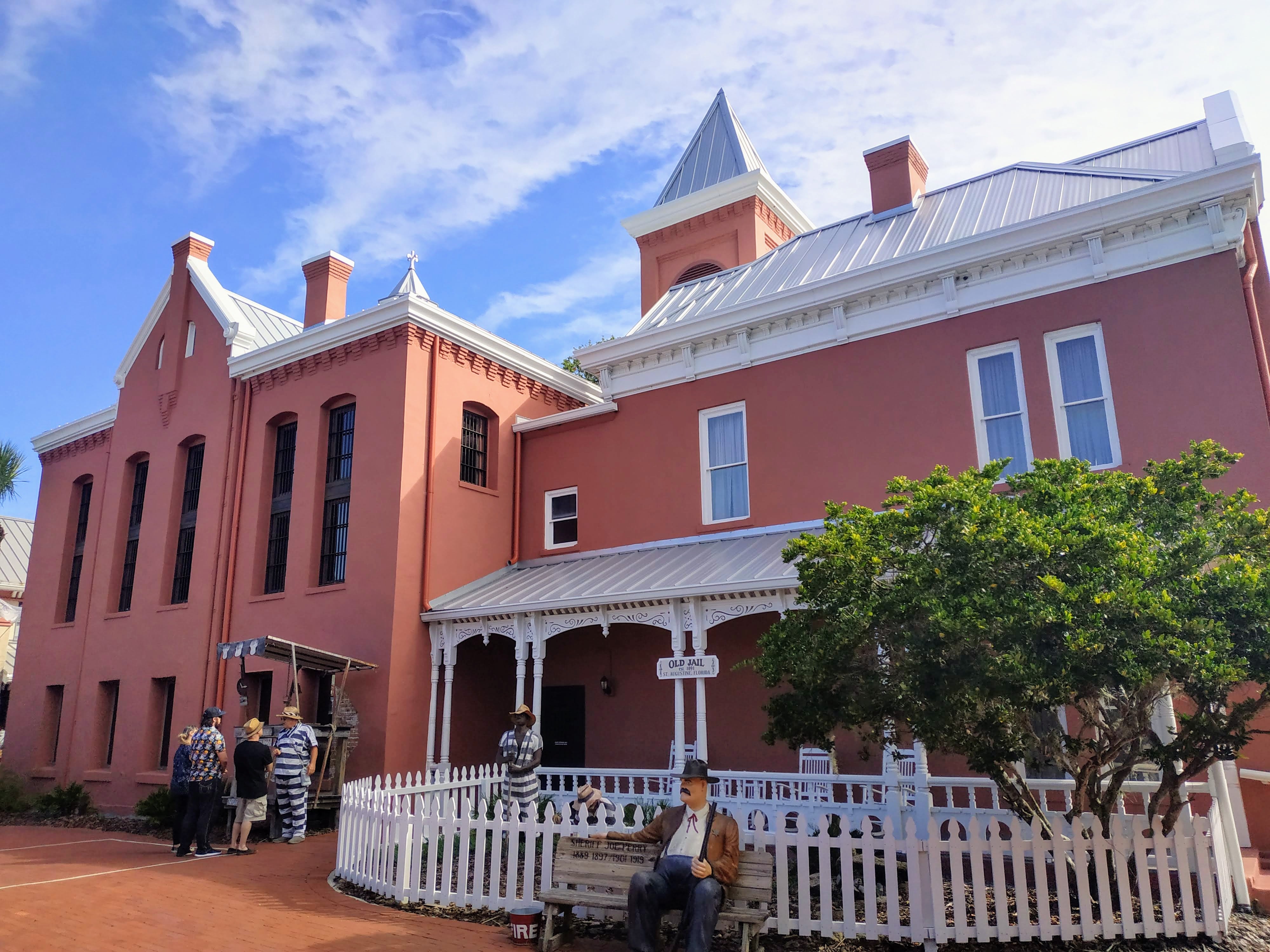
    Old Jail: If you have extra time and want to visit the Old Jail, it is located just a few blocks from the Ponce de Leon’s Fountain of Youth Archaeological Park. It is also the main headquarters for Old Town Trolley Tours. So if you use the trolley, you can always tour this if you have time at the end of your trolley ride through town. Some might consider it “cheesy”; however, if you have kids, they will enjoy this fun stop. 

    Ximenez-Fatio House: This museum house is on the National Register of Historic Places. They have taken great care to preserve and display the home in a way that is true to its original period.  The tour takes around 30 minutes. If you can make the time, I highly recommend it!

    Fort Matanzas National Monument: Okay, this one isn’t actually in St. Augustine. Depending on where you’re coming from on your day trip to St. Augustine, you might pass right by it. This option is excellent for a couple of reasons. One, if your budget is tight, you could visit this historic fort, which is free to enter and skip Castillo de San Marcos. Second. Second, they have boat tours to the fort as well as a beautiful boardwalk along the waterfront. 

    As I write this, the boat ramp and boardwalk are closed due to recent storms. So check their website ahead of time and make your own decision on whether you want to stop or not. If it is already along your route, and you have the time to spare, then you may want to pop in since it’s free.

    Where to Eat in St. Augustine

    Coffee Breaks:

    • St. Augustine Coffeehouse
      6 St George St #107, St. Augustine, FL 32084
    • City Perks Coffee Co.
      15 St George St, St. Augustine, FL 32084
    • The Kookaburra
      24 Cathedral Pl, St. Augustine, FL 32084

    Ice Cream Breaks:

    • Mayday Ice Cream Historic St. Augustine
      100 St George St Suite J, St. Augustine, FL 32084
    • Cousteau’s Waffle and Milkshake Bar
      15 Hypolita St, St. Augustine, FL 32084
    • Kilwin’s Chocolates
      140 St George St, St. Augustine, FL 32084

    Lunch:

    • Cafe Alcazar
      25 Granada St, St. Augustine, FL 32084
    • Pizza Time (quick budget option)
      124 St George St, St. Augustine, FL 32084

    Dinner:

    • The Floridian Restaurant
      72 Spanish St #3638, St. Augustine, FL 32084
    • MOJO Old City BBQ
      5 Cordova St, St. Augustine, FL 32084

    Sample Itinerary for a Day Trip to St. Augustine

    • Arrive and park at the Historic Visitor Parking Garage by 8:30 a.m. Stop in at the Visitor Information Center located at the front of the parking garage near San Marco Avenue and get your free visitor’s map.
    • Walk to the Colonial Quarter and get a coffee and a snack to go. St. Augustine Coffeehouse or City Perks Coffee make excellent choices close by.
    • Go across the street to Castillo de San Marcos, which opens at 8:45 a.m. Spend 45 minutes walking around the fort.
    • Head to Flagler College and take the 10 a.m. tour. Walk by the Grace United Methodist Church and the Memorial Presbyterian Church on your way.
    • After the tour, walk across the street to the Lightner Museum and try to catch the 11 a.m. antique musical demonstrations. Then tour the rest of the museum before getting lunch at Cafe Alcazar on the basement level of the Lightner Museum.
    • After lunch, make your way to the Ximenez-Fatio House Museum to catch the next 30-minute tour, they begin every half hour.
    • After the tour, head to St. George Street and walk down it on your way to the parking garage. Take time to shop for souvenirs and certainly make time for ice cream!
    • It should be somewhere around 3:00 p.m., depending on how long you’ve taken at each stop. So get your car and head over to the Ponce de Leon’s Fountain of Youth Archaeological Park to learn about the early beginnings of St. Augustine.
    • Leave the park with plenty of time to make the 15-minute drive to the Maritime Museum and arrive no later than 5:00 as the park closes at 6:00 p.m.
    • Head back to town and have dinner before leaving town.

    Final Thoughts Regarding a Day Trip to St. Augustine

    As you can see there is a lot to cover in this remarkable city. You cannot see it all with only one day. There are just too many things to do in St. Augustine to fit them all in. So pick your top choices and enjoy the day. Whatever you miss, is just one more reason to come back.

    Happy Travels!

  • The Leu Gardens: An Oasis in Orlando

    When visiting Orlando, everyone immediately thinks of the fantastic amusement parks the area has to offer. However, as fun as these amusement parks are, they can be exhausting! So if you need a break from amusement parks during your visit to Orlando, look no further than the beautiful Henry P. Leu Gardens. The Leu Gardens are an oasis in Orlando. 

    Explore the history and culture of Orlando and enjoy a break from the hustle and bustle of the city. The Leu Gardens span 50 acres so although you could spend an entire day trying to cover it all, I will share some highlights from my visit to give you an idea of things you can see in 1-2 hours.

    About the Leu Gardens

    The Henry P. Leu Gardens were donated to the city of Orlando by the former owners Mr. Harry P. Leu and his wife, Mary Jane, in 1961.  However, the history of the garden goes back to the mid-1800s when the first owners settled the land. The final owners, Mr. and Mrs. Leu, purchased the property in 1936. They loved traveling, and they loved plants. They combined these two passions by buying plants during their travels and then bringing them back to plant in their garden. 

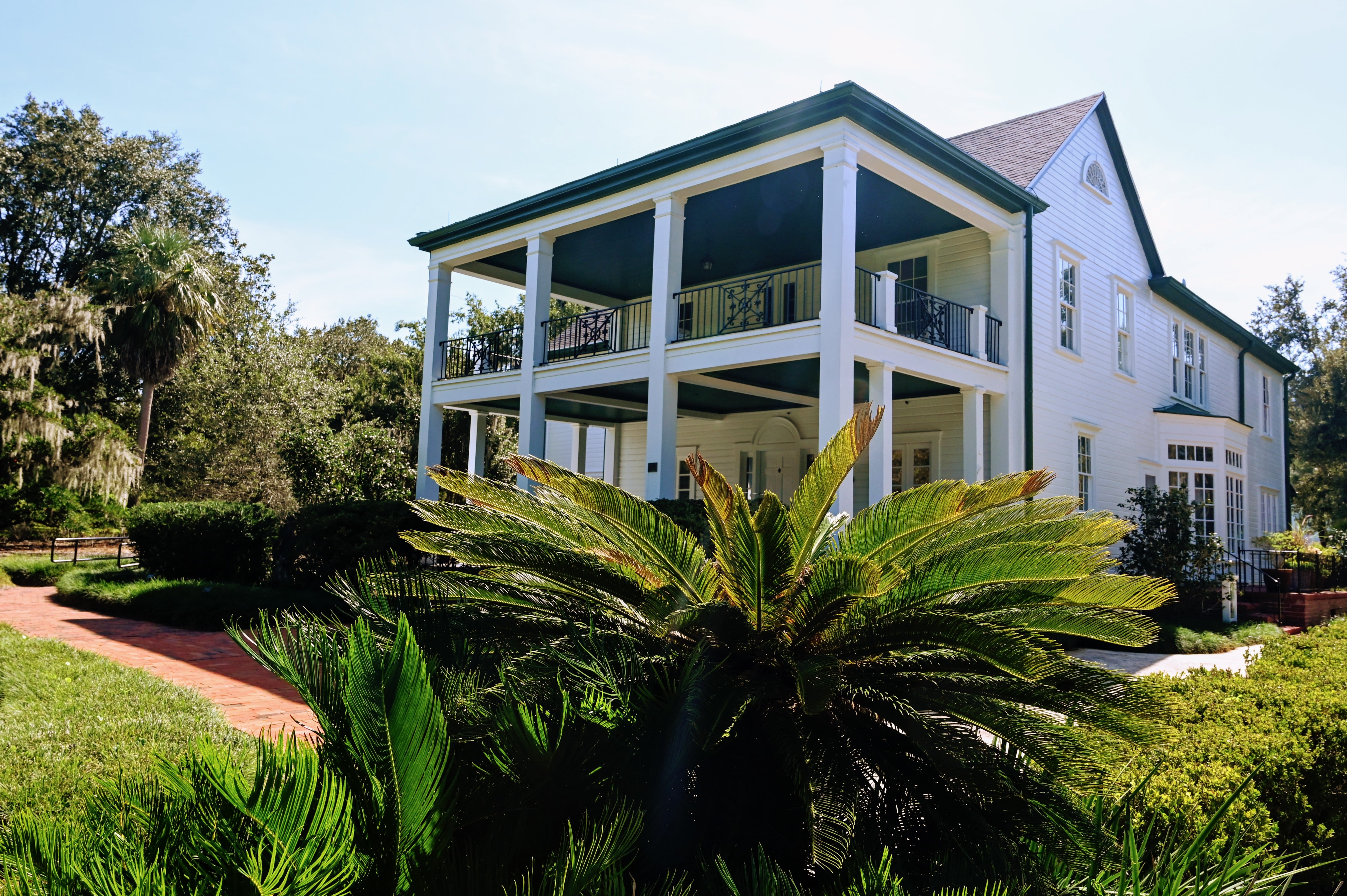
    The Leu House Museum is one of the historic buildings still on the property and is a historic landmark with the National Registry of Historic Places. However, the museum remains closed due to hurricane damage until further notice.  The home is still a beautiful place to view from the outside, and I’m sure you could ask the front desk for additional details regarding the families who lived here. The woman I spoke with when purchasing my ticket was so friendly and helpful.

    Leu Garden Favorites

    I happen to be in Orlando with my husband. He is here at a business conference, and I tagged along. After his conference ends, we will take a week’s vacation to explore the Florida coast on a road trip to the Keys.  However for now, I am on my own. I hoped to see a different side of Orlando than just the amusement parks. Someplace the locals go to when they want a quiet spot. The Henry P. Leu Gardens was highly recommended and was just what I was looking for! 

    The following are some of the areas I saw during my visit to the Leu Gardens. I spend almost 1.5 hours here, and I feel like I covered quite a lot during my short visit.

    Tropical Stream Garden

    You enter the gardens by leaving the Garden House (Welcome Center) through the side door. After a short stroll down the path, you come to the Tropical Stream Garden. You feel as though you’ve entered an exotic tropical destination. Vines creep down from trees, the faint trickle of water running over rocks greets your ears, and beautiful tropical flowers and palm trees surround you.

    The Tropical Stream Garden is the perfect way to begin your journey through the Leu Gardens. I immediately felt relaxed as I could stroll at my own pace, no crowds, just a winding shaded path, full of unique plants.

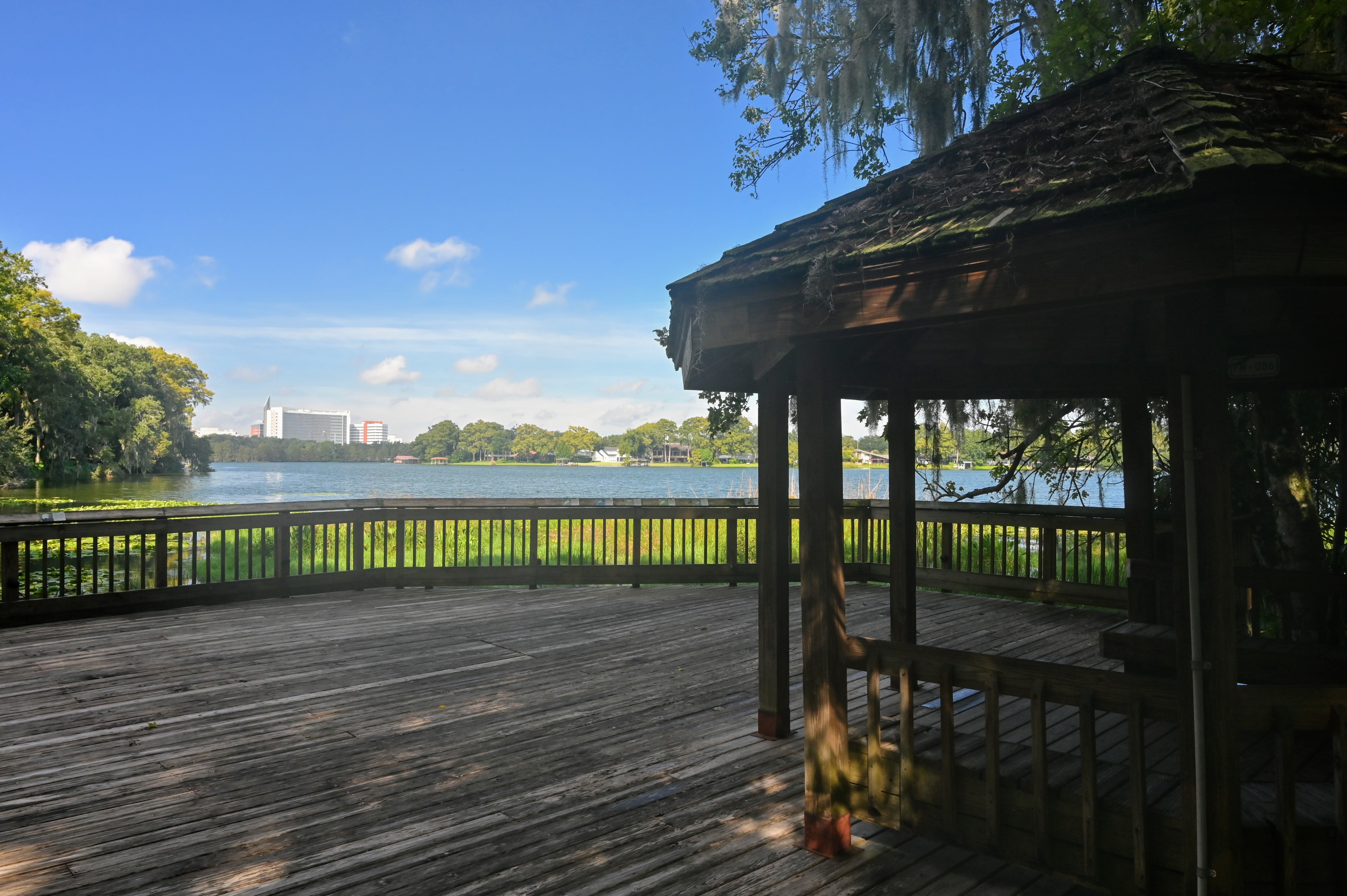
    The path through the Tropical Stream Garden eventually leads you to the Lake Rowena Overlook.  Enjoy a rest under the gazebo, or learn about the various creatures that call Central Florida home. I looked into the lake and watched some turtles swimming below. There are also some beautiful bald cypress trees growing in the water next to the overlook.  We do not have this type of tree in my home state of Washington, and I enjoy seeing new varieties of trees and plants.

    Rose Garden

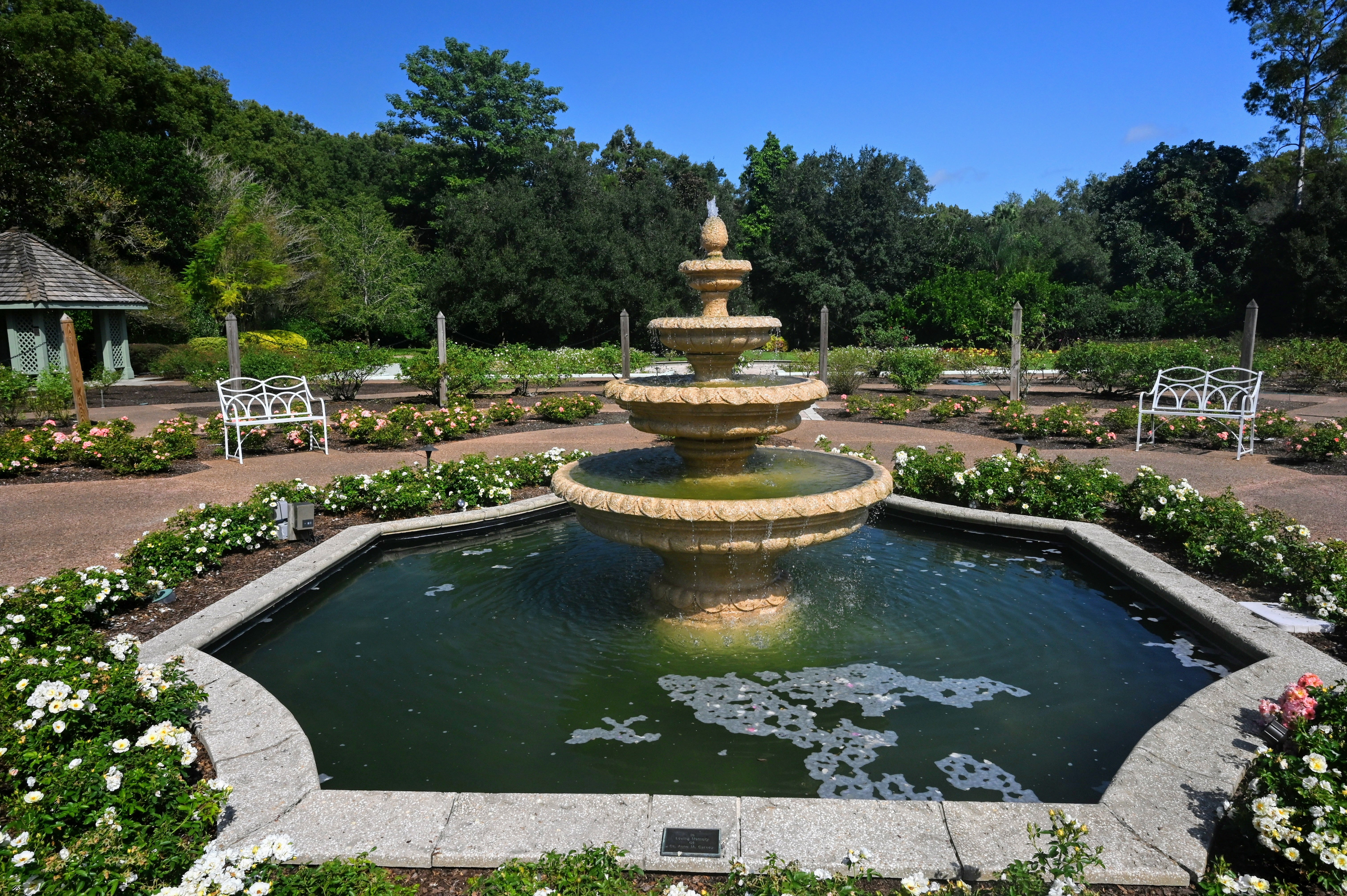
    After exiting the overlook area, I continued through the Color Garden and into the Rose Garden. The sweet perfume of the roses wafted up to greet me, and I smiled.  I love the smell of roses. It was a subtle aroma, not overpowering, just a light sweetness, perfect for strolling through and spending some time by the fountain.

    Camellias

    I made my way to the Camellia Garden with hopes that perhaps they would be blooming. Their pamphlet states that the Leu Gardens is home to the most extensive documented camellia collection in Eastern North America. It also said that they bloom from mid-October through March.  Well, it is mid-October, however, unfortunately, they were not blooming. I would love to revisit this garden when they are in bloom as I can imagine what a beautiful spectacle they are. There are over 200 varieties!

    I exited the camellias area via the white garden, which, as you can imagine, is filled with plants whose blooms are only white.

    Vegetable Garden

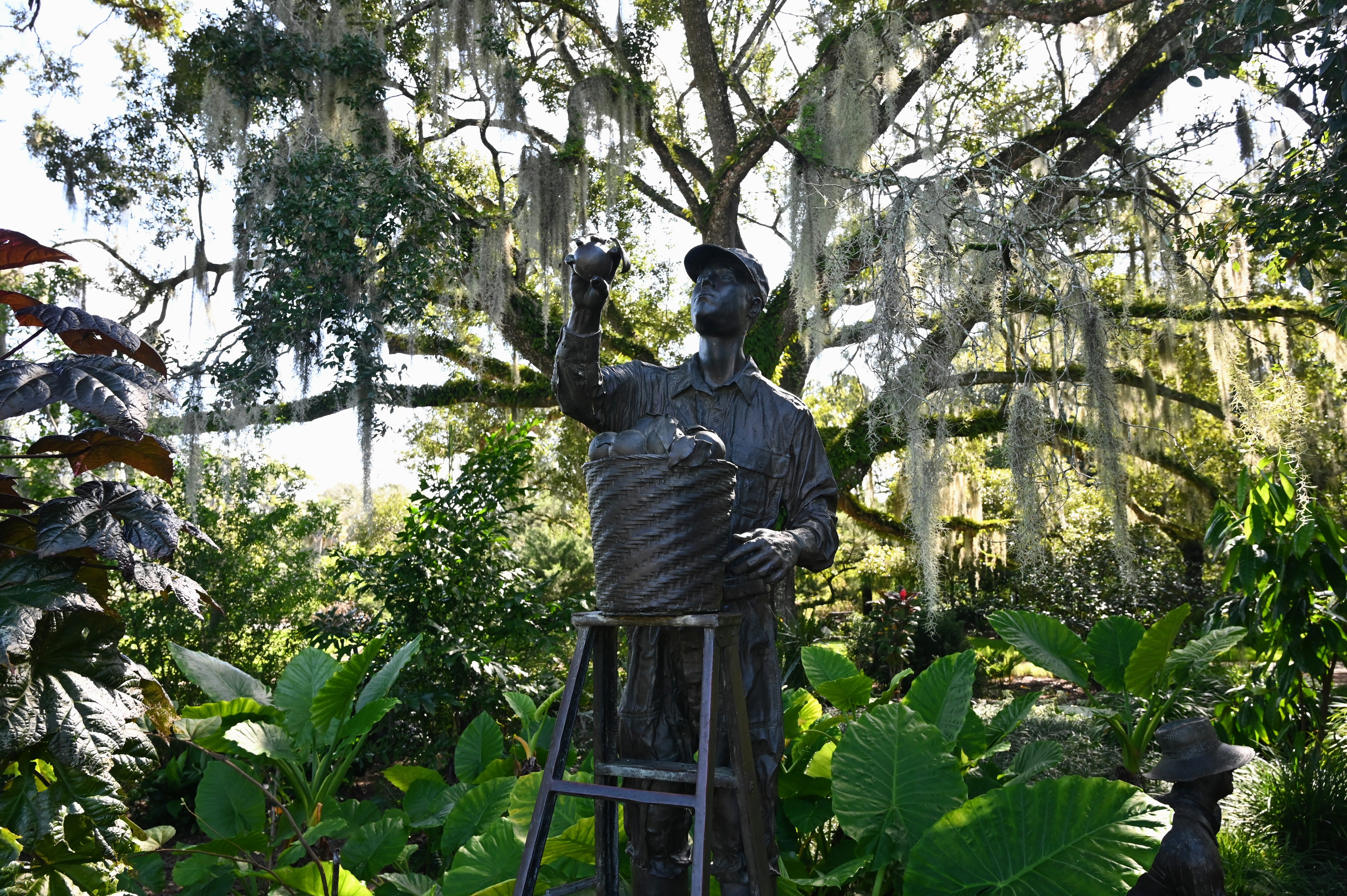
    I stopped in briefly at the Vegetable Garden, in addition to growing a variety of fruit and vegetables here, they also have these delightful statues. Apparently they donate the food harvested from this garden to local food banks.  I think that is such a great idea! I’m a little jealous of Florida’s warm climate and its ability to grow fruit and vegetables year-round. 

    However, as I stand here admiring their plants, sweat is dripping down my face, and it reminds me why I live on the more mild West Coast and only visit warm destinations as an escape from the rain or in rare cases, the snow!

    Butterfly Garden

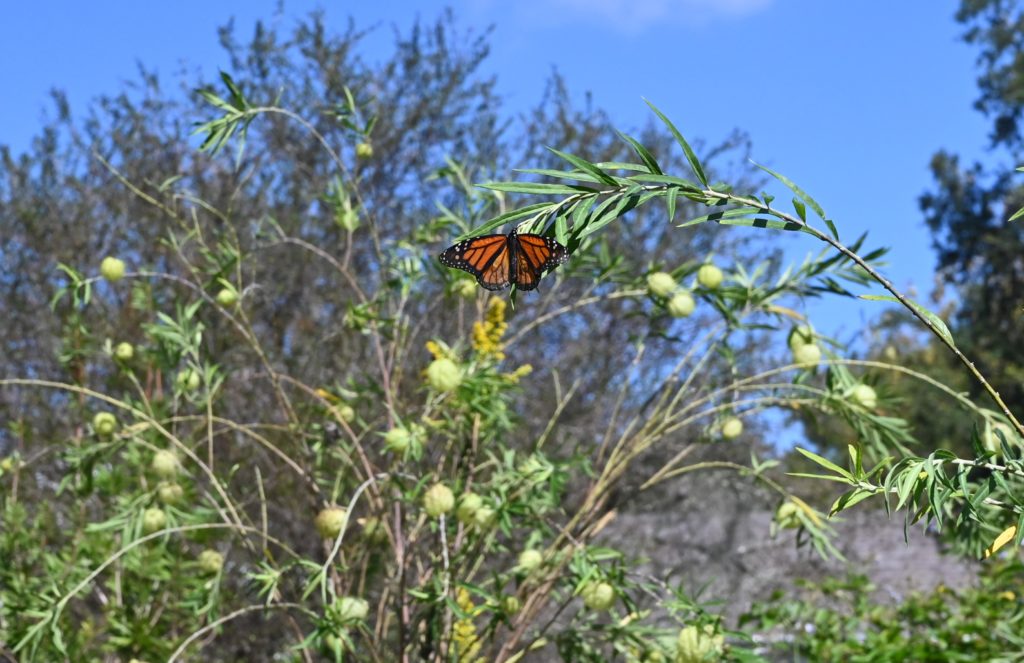
    The butterfly garden is just a few short steps away from the vegetable garden.  I was thrilled to watch the various butterflies flit about, sometimes in pairs, and often by themselves.  They dash about in random patterns, and at times, I have to duck to avoid them hitting me. I worked hard to try and capture this photo of one who landed long enough for me to photograph it. 

    monarch butterfly in leu gardens

    There are plaques placed in this area of the garden that teach you interesting facts about these beautiful creatures.  And they have butterfly cocoons inside a small glass enclosure so you can see the various colors of cocoons each butterfly has. This was so cocool! Sorry, I just had to go there.

    Floral Clock

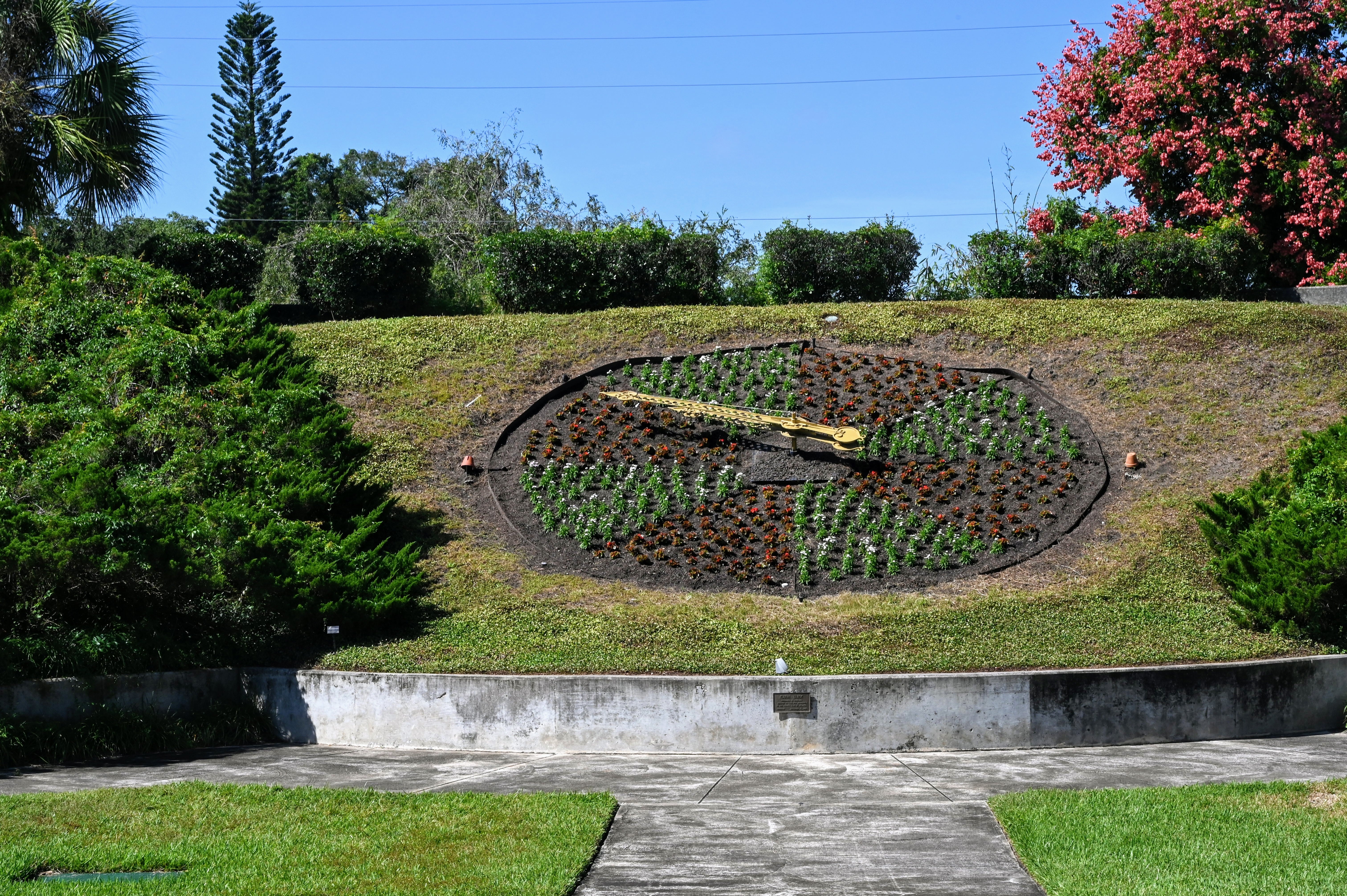
    I left the Butterfly Garden and passed once more through the Rose Garden on my way to see the Floral Clock.  This working clock was donated to the Leu Gardens by the Kiwanis Club of Orlando in 1975. It was inspired by the first-ever floral clock in Edinburgh, Scotland, commissioned in 1903. The Leu Gardens floral clock varies in appearance, depending on the season.

    Palms, Cycads & Bamboo

    I was ready for another break from the sun, so I wandered into the Palms, Cycads & Bamboo Garden. The plants in this section date back to the prehistoric era. I’m sure everyone is familiar with palm trees. However, I often confused cycads for a type of palm tree plant.  They are, in fact, different. 

    Cycads are cone-bearing plants not related at all to palm trees. I would describe them as fern-looking palm trees. Meaning their leaves remind me more of ferns than palm tree leaves. Bamboo is so unique and regal looking, and this section makes a great way to enjoy time in the shade and marvel at these unusual plants.

    Leu House Museum

    As I mentioned above, the Leu House Museum is closed currently for renovations due to hurricane damage. However, you are welcome to walk around the house and admire the lush setting of the surrounding gardens.  I am not sure how different the gardens look now when compared to when Mr. and Mrs. Leu lived here. However, I like to imagine it must have been a marvelous place to live.

    Don’t miss the path lined with old oak trees, it is not far from the house, and you should pass by it on your way from the Palms Garden to the Leu House Museum. These beautiful oak trees are scattered throughout the Leu Gardens, and many of them are over 200 years old!

    Additional Areas in the Leu Gardens

    Although my path through the Leu Gardens might resemble that of a butterfly, I covered a lot of ground.  I passed by many beautiful gazebos and fun sculptures. There is an Idea Garden that demonstrates a variety of designs that will perhaps inspire your garden.  And there is also an Arid Garden which displays plants from deserts. No irrigation is used in this garden. So it offers a good demonstration for gardening in areas of drought — or perhaps for people like myself, who forget to water.

    Art Exhibits at Leu Gardens

    In addition to the gardens, the welcome center has a rotating art exhibit.  While I was there, they had a colorful display of watercolor paintings by local artists.  My morning spent admiring local art, and strolling through the gardens was just what I needed. I felt I had a morning of culture and beauty that left me ready to rejoin the city and my subsequent ride in traffic. 

    Other Activities at Leu Gardens

    As if the gorgeous gardens and art exhibits weren’t enough, the Leu Gardens also offer concerts in the park and movies in the park.  So make sure to check their calendar when you visit as you might find some new ways to create memories during your visit to Orlando.

    If you happen to visit with kids, there is a geocache hidden within the gardens.  Kids and adults alike will enjoy geocaching, which is essentially like a digital scavenger hunt, sometimes they have clues, but usually, you track the coordinates on your phone using a compass.  Geocaching.com provides the details on which app to download. It also shows the many geocaches hidden throughout the area. It is something fun your family can do together, whether at home or when traveling.

    Useful Information

    Admission Fees: It costs $10 for adults 18 and older. Children 4-17 are $5, and children three and under are free.  Additionally, you receive a wrist band so you can come and go throughout the day.
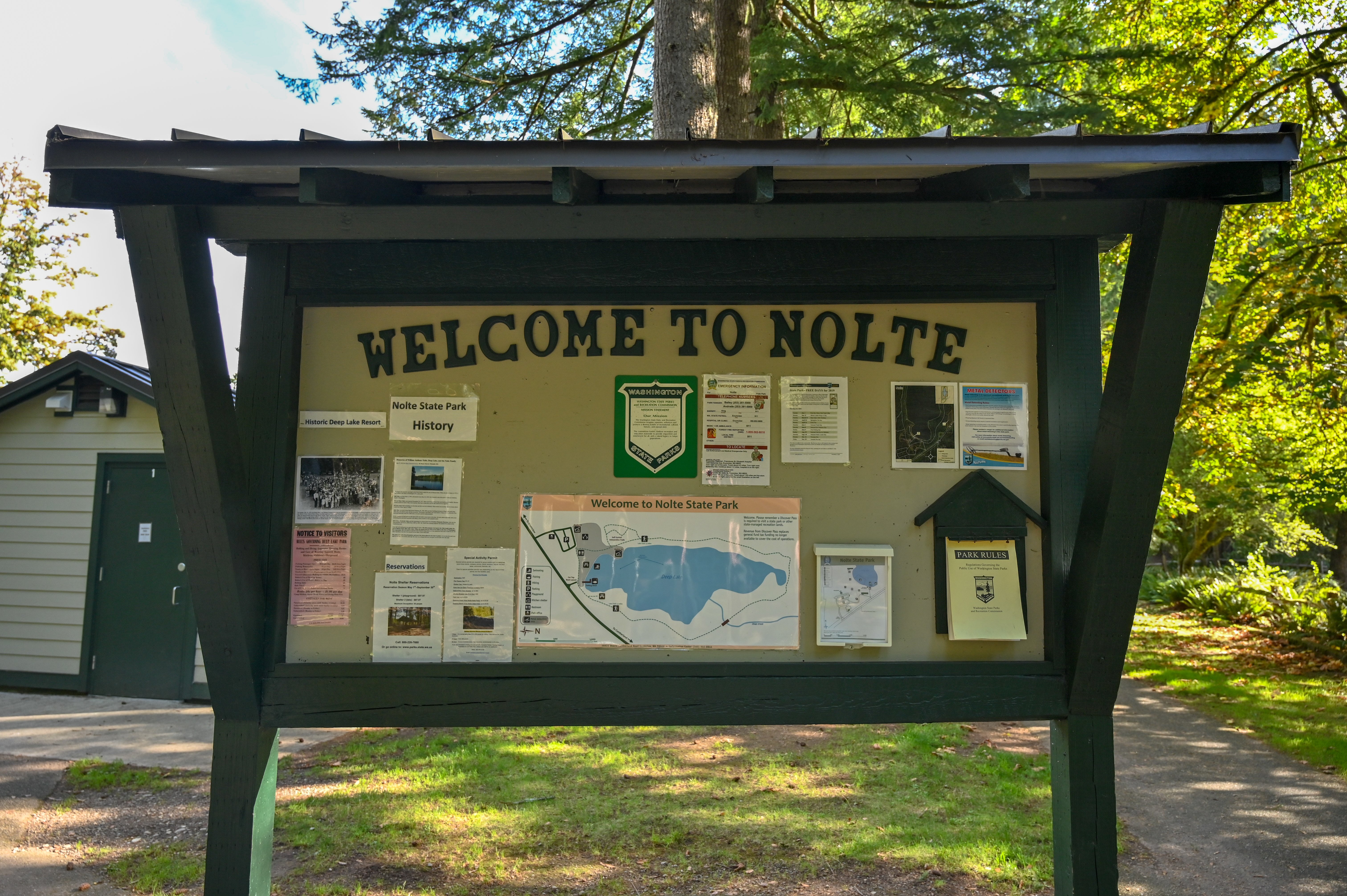
    Food: There is no food sold on-site. However, you can bring your lunch and eat it on the patio overlooking Lake Rowena.  Or, as I mentioned, you can always leave, grab something to eat or take a break from the heat and then return later in the day.

    Henry P. Leu Garden Hours: The Leu Gardens are open every day from 9 a.m. to 5 p.m.

    Other Amenities: There is a small gift shop located in the welcome center as well as a library filled with books on botany and gardening.  You are welcome to sit inside the air-conditioned space and read during your visit. It is also good to note that there are multiple water fountains and restrooms throughout the gardens.

    It was so lovely to take a break and see some of the culture and beauty of Florida.  Amusement parks can be fun, but it is always good to take a break from the tourist attractions and visit a place the locals enjoy going to. I hope you will take the time to visit the Henry P. Leu Gardens on your next trip to Orlando.  It is worth the visit!

  • Gold Creek Pond and Autumn Surprises

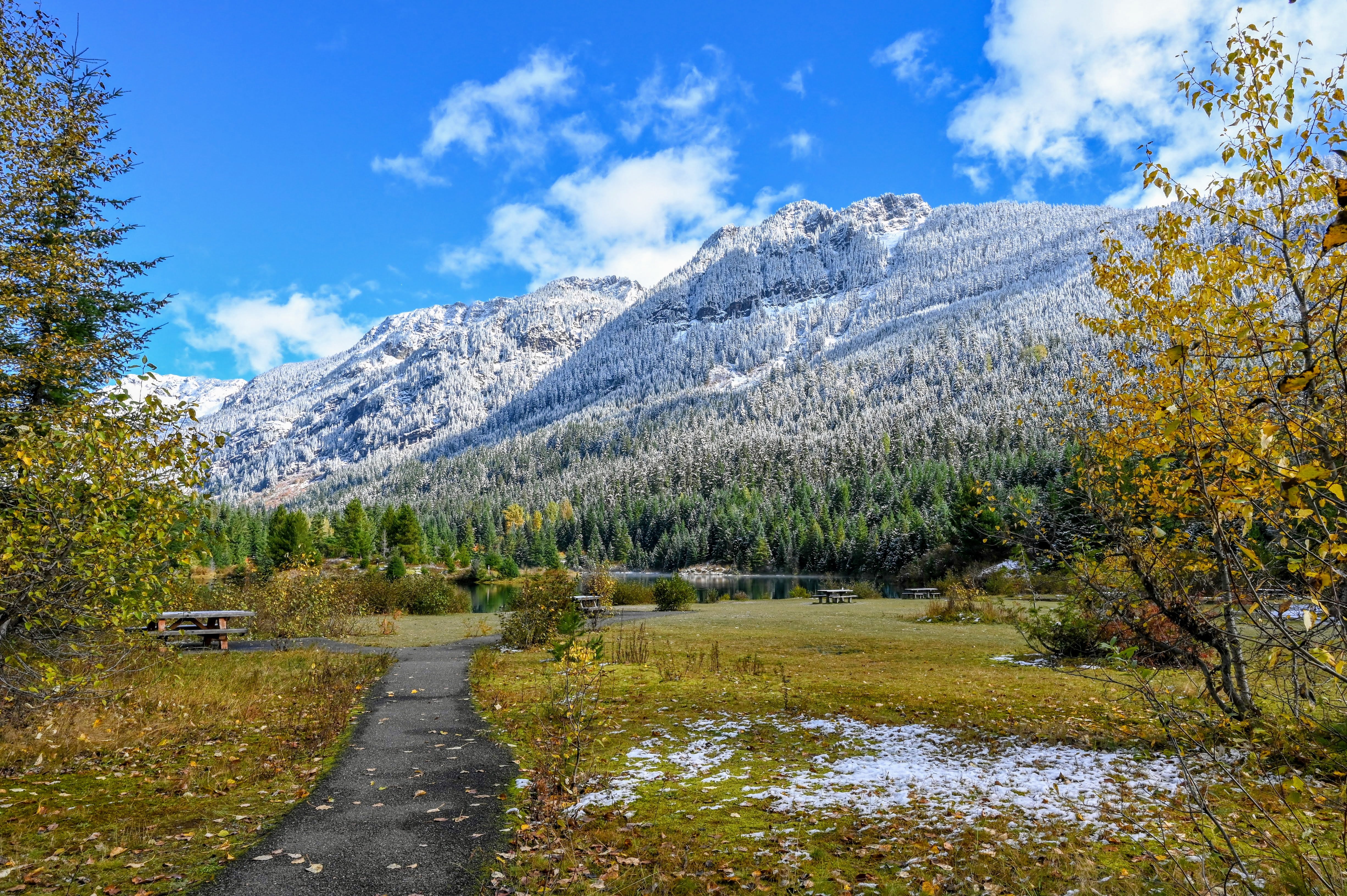
    If you’re looking for an easy trail with beautiful views, a picnic area, ADA accessible and close to Seattle–look no further! The Gold Creek Pond Trail is a 1.1 mile loop trail that circles the Gold Creek pond. It is a relatively flat, paved (with a few boardwalk bridges) trail that circles this very large alpine lake of a pond. Keep reading to discover why this trail is worth the trip!

    A Little History About Gold Creek Pond

    As you look at the photographs of Gold Creek Pond, try to imagine that back in the ’70s and ’80s, this pond didn’t even exist.  Instead, this area was a gravel pit supplying the construction of the I-90 freeway. Since that time, a restoration project began and is still underway, to develop the area around Gold Creek. It is such a beautiful location now, as you look out over the water, it is incredible to see the transformation from pit to pond.

    A Snowy Surprise

    The night before I visited Gold Creek Pond, I had plans to take my camera and go hunt down some fall foliage.  When I got up the next morning, my phone’s weather report showed it was 36 degrees out!  Let me tell you for Seattle fall weather–this is cold!

    Honestly, one of the things I love about the Seattle area is our mild weather.  Typically in early October, it is often sunny and in the 60s! I had initially planned on driving to Leavenworth; however, with my late morning start, I knew I’d need to adjust my plans. Gold Creek Pond Trail was on my radar for a while, and it was only an hour’s drive, so I decided to head there.

    Imagine my surprise when I discovered Snoqualmie Pass (Gold Creek Pond is near the summit) had snow! Snow. And it’s barely October! This was odd, but I figured if I didn’t get any photos of fall colors, at least I’d get some snowy fall photos?

    Gold Creek Pond Trail

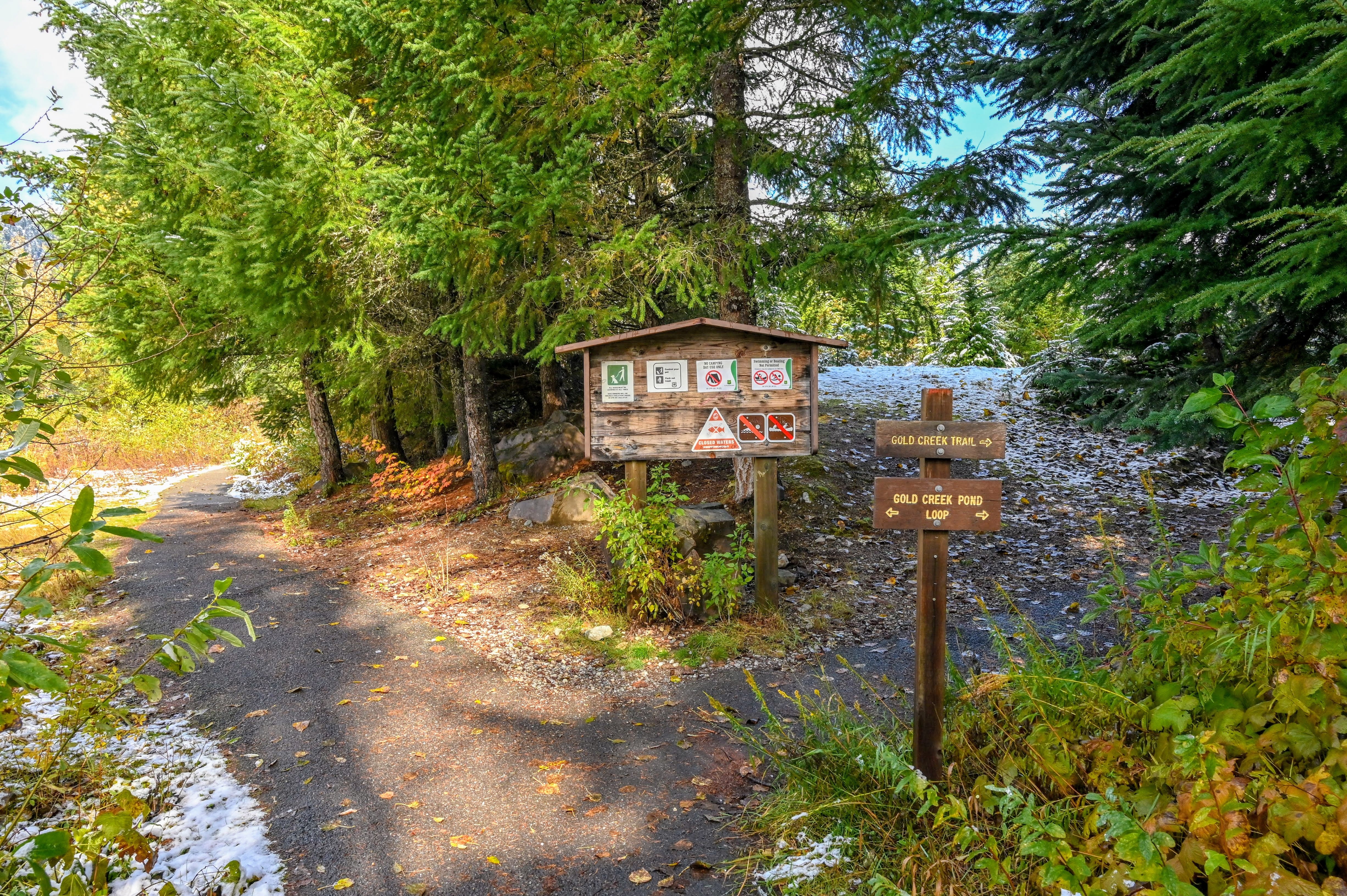
    After you arrive at the parking lot, you will see a pit toilet on the right and an information board in the center. Follow the path to the left of the information board. Soon you will arrive at the above trail sign. 

    If you go right, this will also lead you to the trailhead for Gold Creek Trail, which takes you to the Alpine Lakes Wilderness Area. However, for this hike, you can go either right or left as you make your loop around the pond. If you come here for a picnic or BBQ, go left as this is the quickest way to the picnic area.

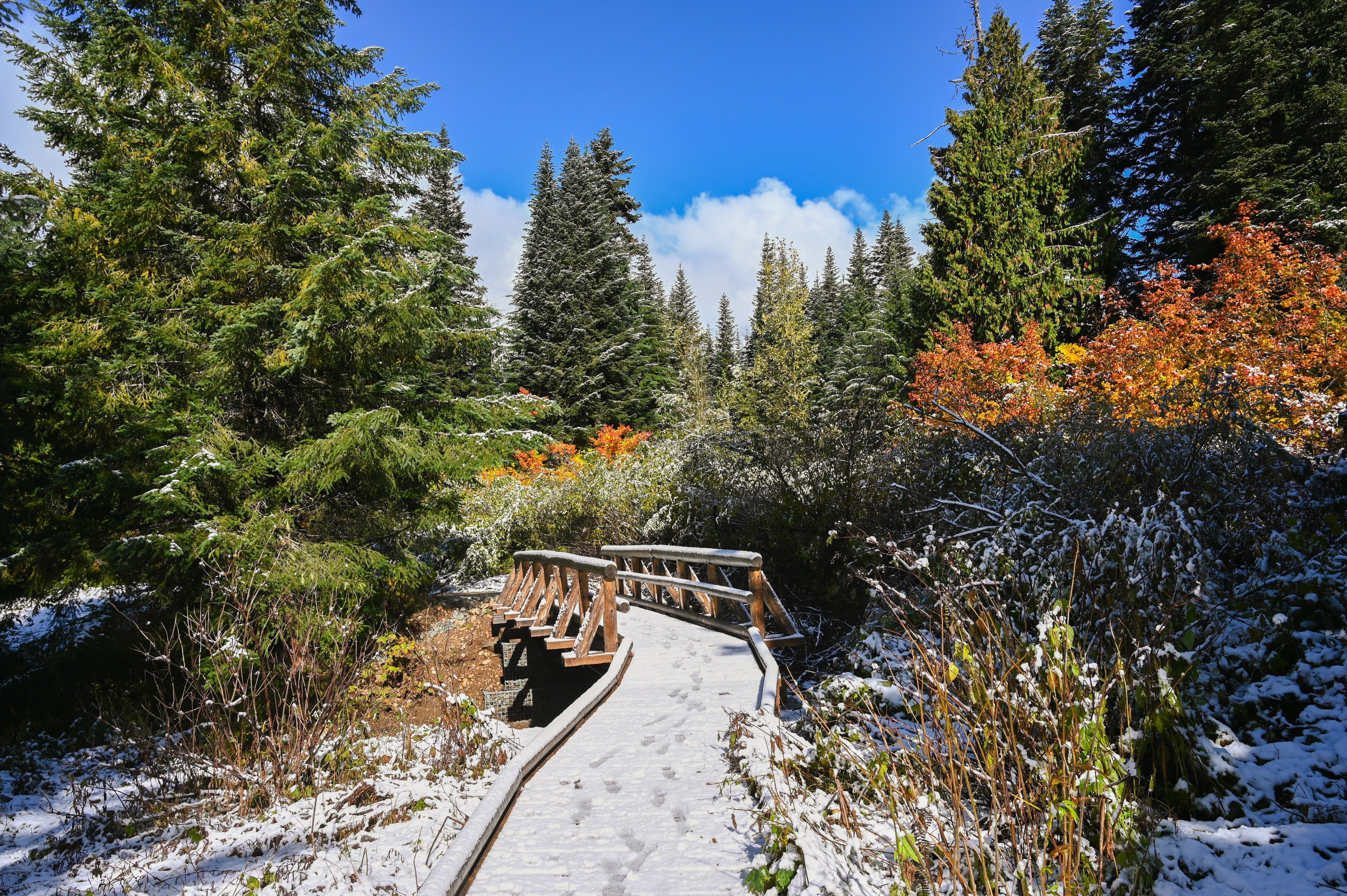
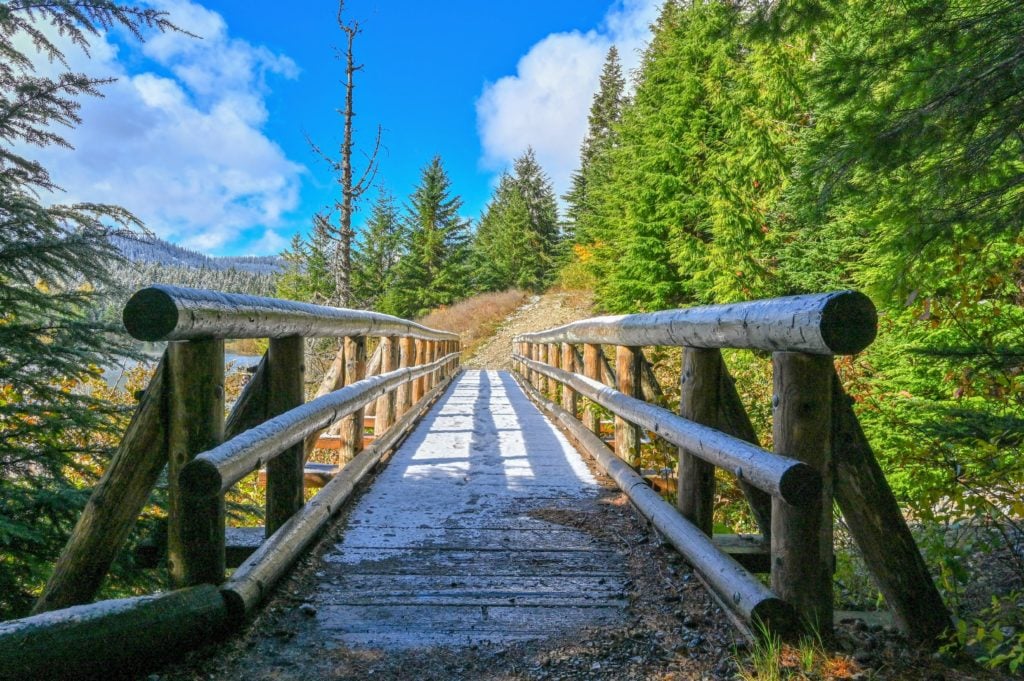
    There are a couple of small wooden bridges that you will cross as you make the 1.1-mile loop around Gold Creek Pond. The wooden planks were icy when I visited, so I took it slow when crossing. If you make the loop counterclockwise, as I did,  you will walk alongside Gold Creek through a wooded area before seeing Gold Creek Pond.

    As I walk, I hear the sounds of the water rushing over the rocks in the creek. The crunch, crunch of snow under my feet, and the faint laughter of someone on the other side of the pond greet my ears. I smile at the beauty this odd snow day had brought.

    One of the wooden bridges you will cross on the loop trail around Gold Creek Pond.

    Making Friends on the Trail

    About halfway around Gold Creek Pond, I came across the two hikers who I had heard earlier. They laughed and had fun as they splashed water and captured it in slow motion with their cell phones. I like meeting people on the trail and seeing their enjoyment of nature.

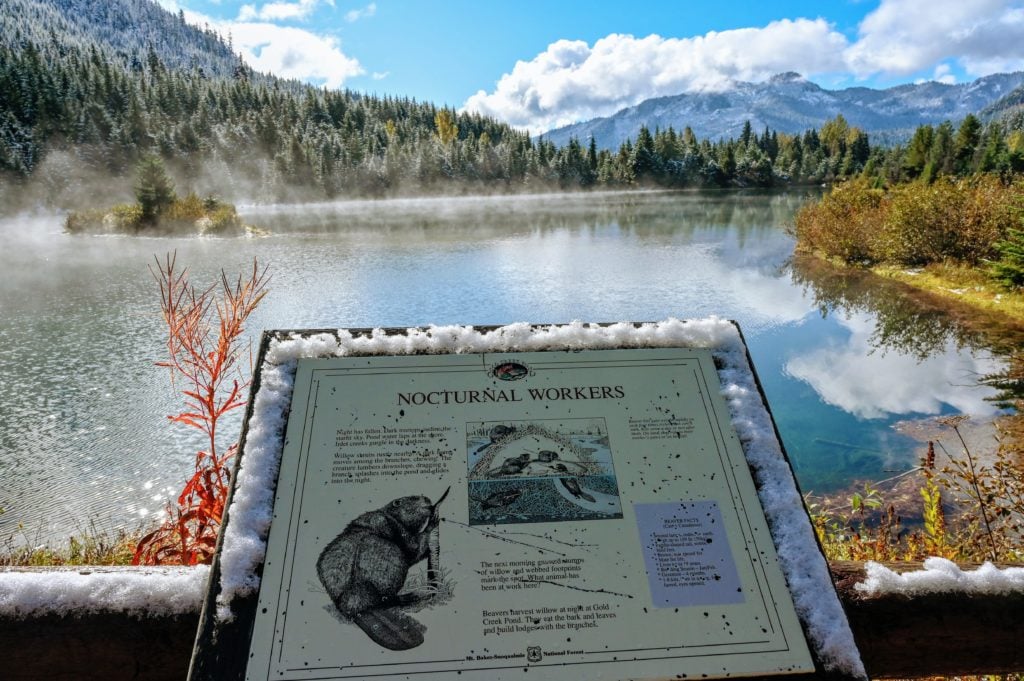
    informative sign about beavers in Gold Creek Pond
    There are a few informative signs scattered around the trail.

    Later I met a lovely woman who was out hiking with her dog. She said she comes out here during each season and takes a photo.  In wintertime, she uses crampons or snowshoes and said it is beautiful to see then too.

    Then I met a photographer who was seizing the opportunity to find snowy mushrooms, something you wouldn’t usually see.  And later towards the end of the loop trail, a nice man and his wife let me know when I crossed the creek that if I looked down, I could see salmon swimming below.

    So you see, besides enjoying the beauty of nature, you get to meet all sorts of friendly people. It’s a perfect way to relax and remember what a beautiful world we live in.

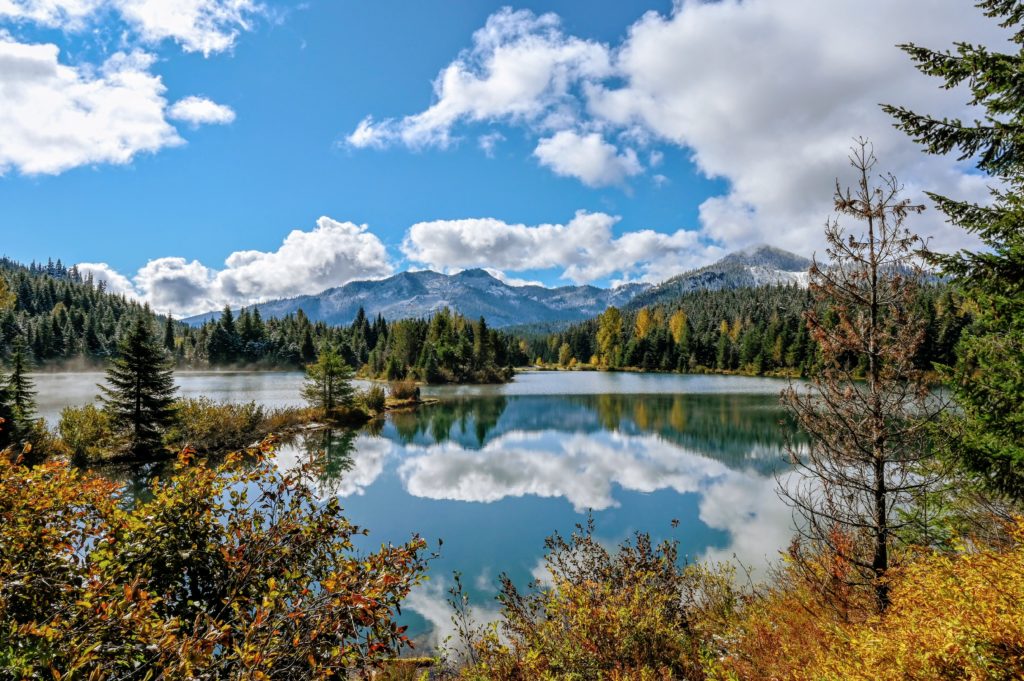
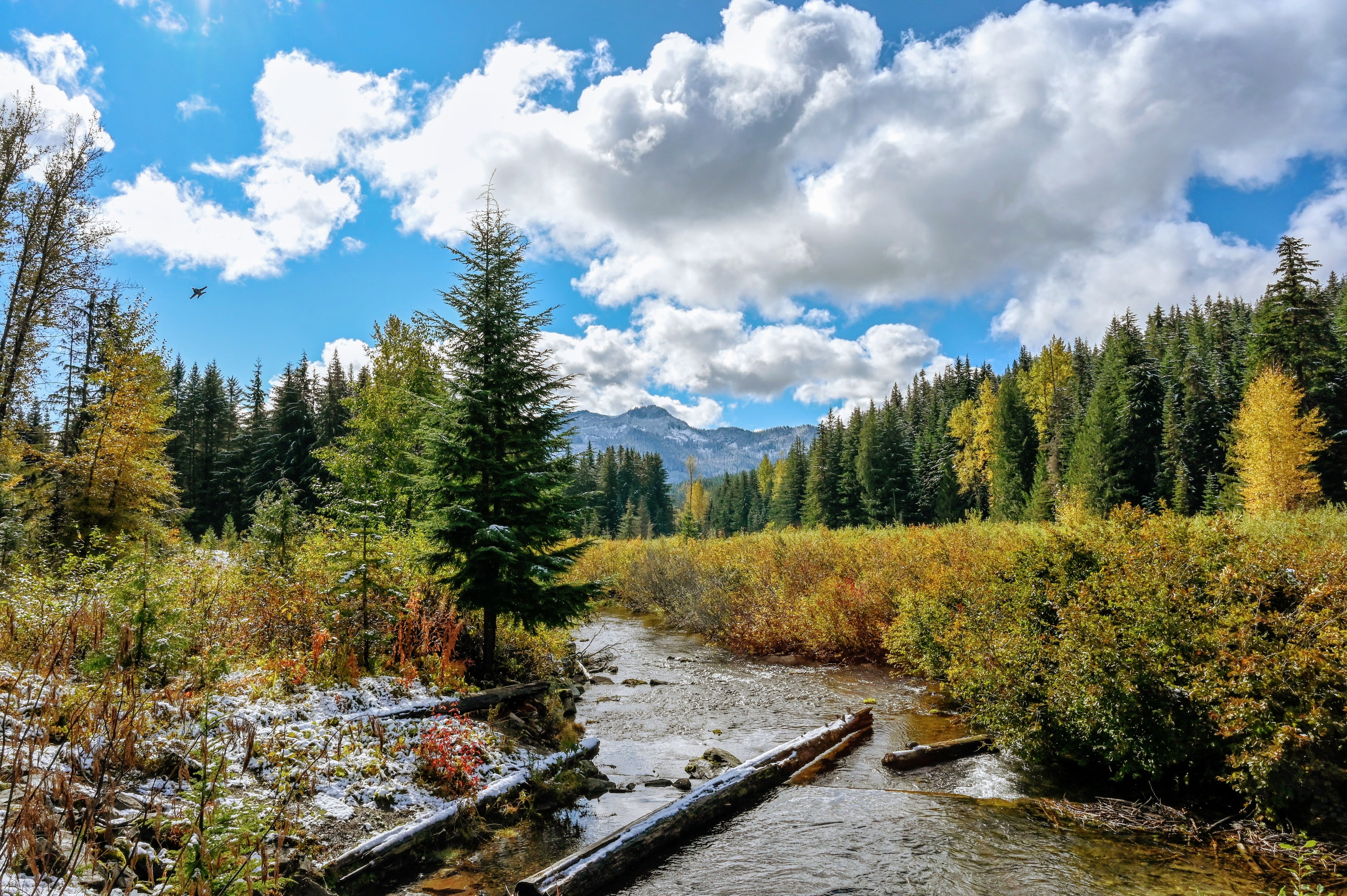
    fall colors and reflections in the water of gold creek pond
    Make sure to walk out to that tip by taking a short trail that splits off the main one just past the beaver sign.

    Taking Time to Soak in Nature’s Beauty

    Make sure to locate one of the many benches scattered along the trail. There are a few right next to the water that would make the perfect resting spot.

    And if you’re lucky, you might even spot a great blue heron. You are almost certain to see ducks and Canadian geese and of course, the frequent sightings of a mischievous squirrel or two.

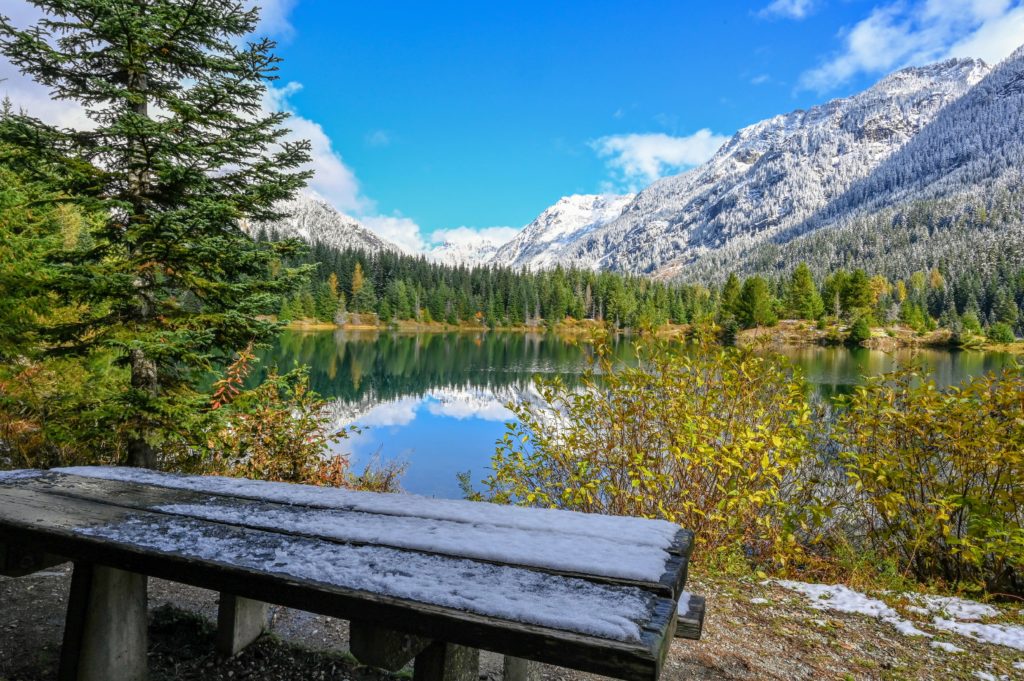
    snowy bench by the water at Gold Creek Pond
    Perhaps another time when winter hasn’t beat me to the seat.

    Getting to Gold Creek Pond Trailhead

    It’s only about a 1-hour drive from Seattle to Gold Creek Pond. And what a beautiful drive it is!

    • Take I-90 E to Exit 54 for the Hyak ski area.
    • Turn left at the stop sign.
    • Make a right at the first road passed the I-90 on/off ramps (Forest Service Rd #4832).
    • Drive parallel to I-90 for about 1 mile before making a left at the sign for Gold Creek Rd and Trail.
    • Then continue another quarter mile before making a left onto the pavement and into the parking lot.

    Useful Information

    Road Conditions: The road leading to the trailhead parking lot is a dirt road that is full of potholes. So take it slow, and you should be fine. Once you make the final left, it returns to a paved road as you enter the parking area.

    Parking/Fees: You need a Northwest Forest Pass to park here.  Please note that in the winter, a Sno-Parks permit is required — which is different from the Northwest Forest Pass. If you don’t already have a Northwest Forest Pass, you can purchase a day pass at the parking lot trailhead. For winter use, buy the appropriate sno-parks permit ahead of time.

    Trail access: Gold Creek Pond Trail is ADA accessible, and I saw one woman in her motorized wheelchair here, even with the snow! Some parts of the trail, when I visited, were overgrown a little on each side, so the path got a bit narrow. I love that we have this beautiful trail accessible to those with mobility issues.

    Facilities: There is a pit toilet at the trailhead. Make sure to bring your hand sanitizer, as there was none provided when I visited. On the left side of the pond, you will find a large picnic area with lots of picnic tables and even a few grills scattered here and there.

    Don’t miss this beautiful and family-friendly trail. It is a short drive from Seattle, and if you have extra time and want to explore more of the Snoqualmie area’s beauty, make sure to stop and see the Snoqualmie Falls.

    Happy Trails!

  • Nolte State Park: A Pacific Northwest Secret

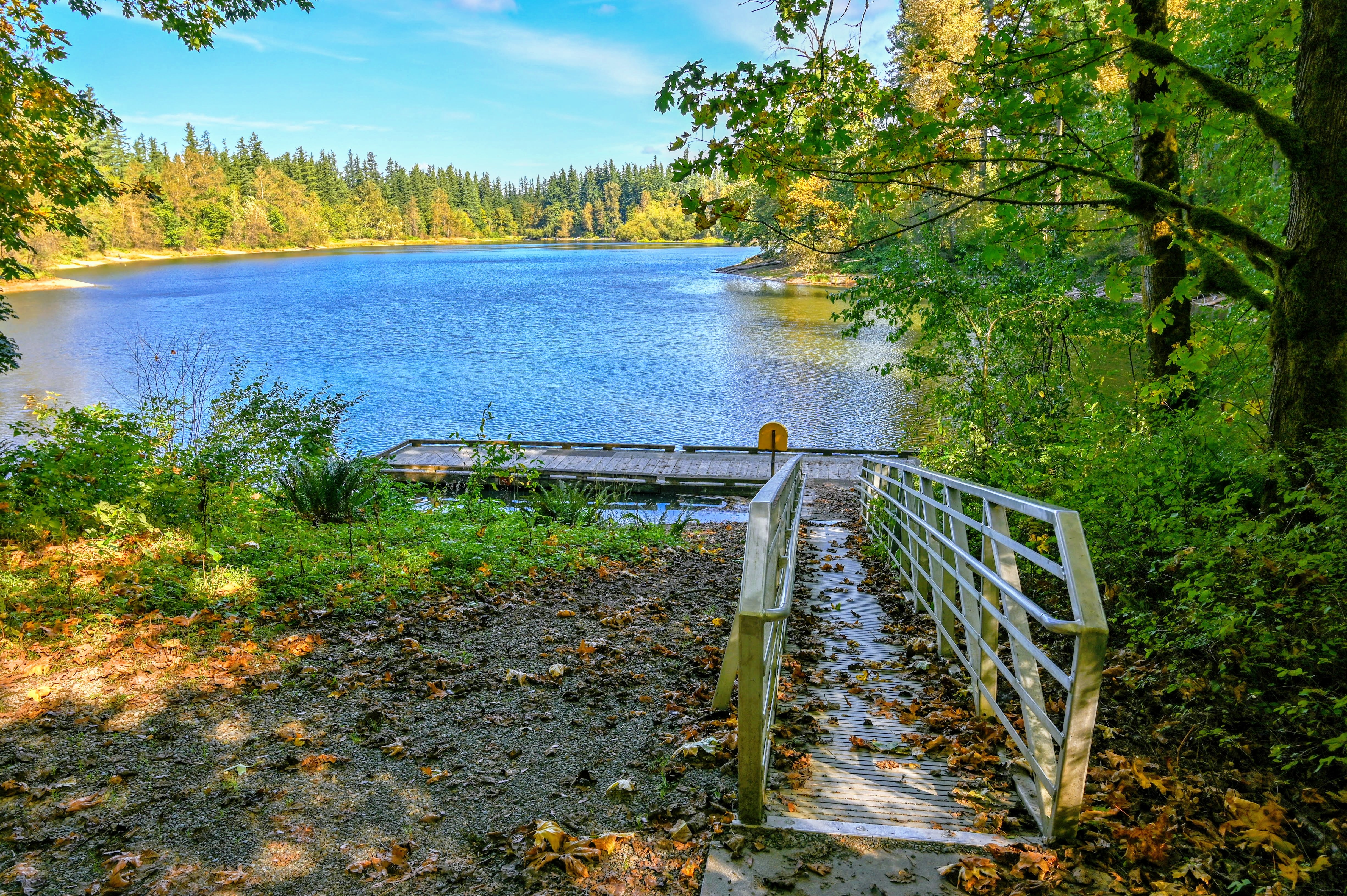
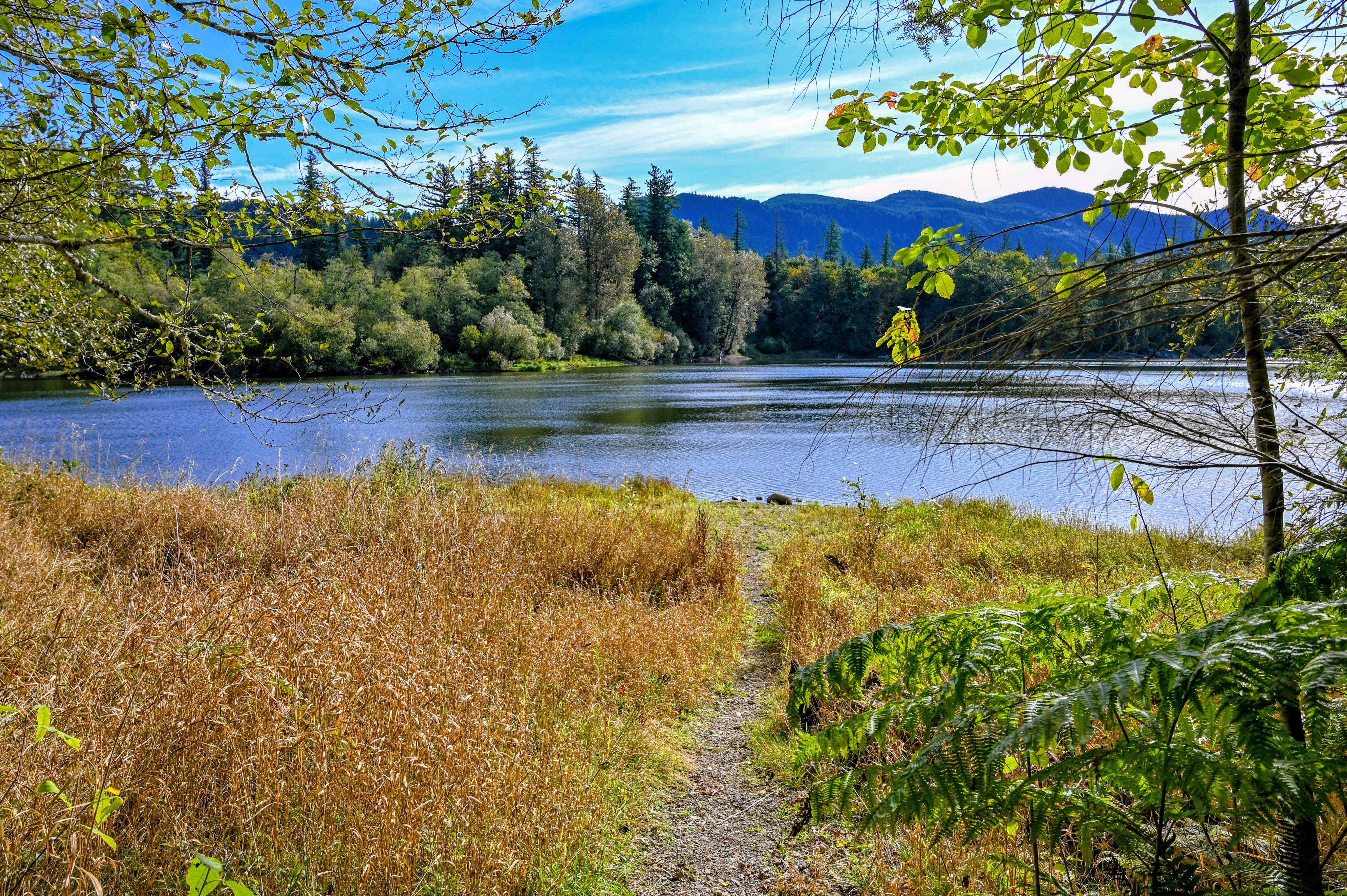
    Nolte State Park is a hidden gem in the Pacific Northwest.  This Washington State day-use park makes a perfect place to get away for a few hours or even the whole day! When you feel like you need to escape the hustle and bustle of the city it provides the perfect natural setting to get away and think. And when you want a park to take the whole family to for some fun in the sun, Nolte State Park makes the perfect choice!

    Below I list all the activities you can enjoy at Nolte State Park, and I hope you will take the time to visit it soon. You will feel like you have stumbled upon a retreat in the woods. It might even become your new favorite park, and perhaps you’ll want to keep it a secret too!

    Activities at Nolte State Park

    Feel free to click on links below and jump ahead to the various activities and information found in this article.

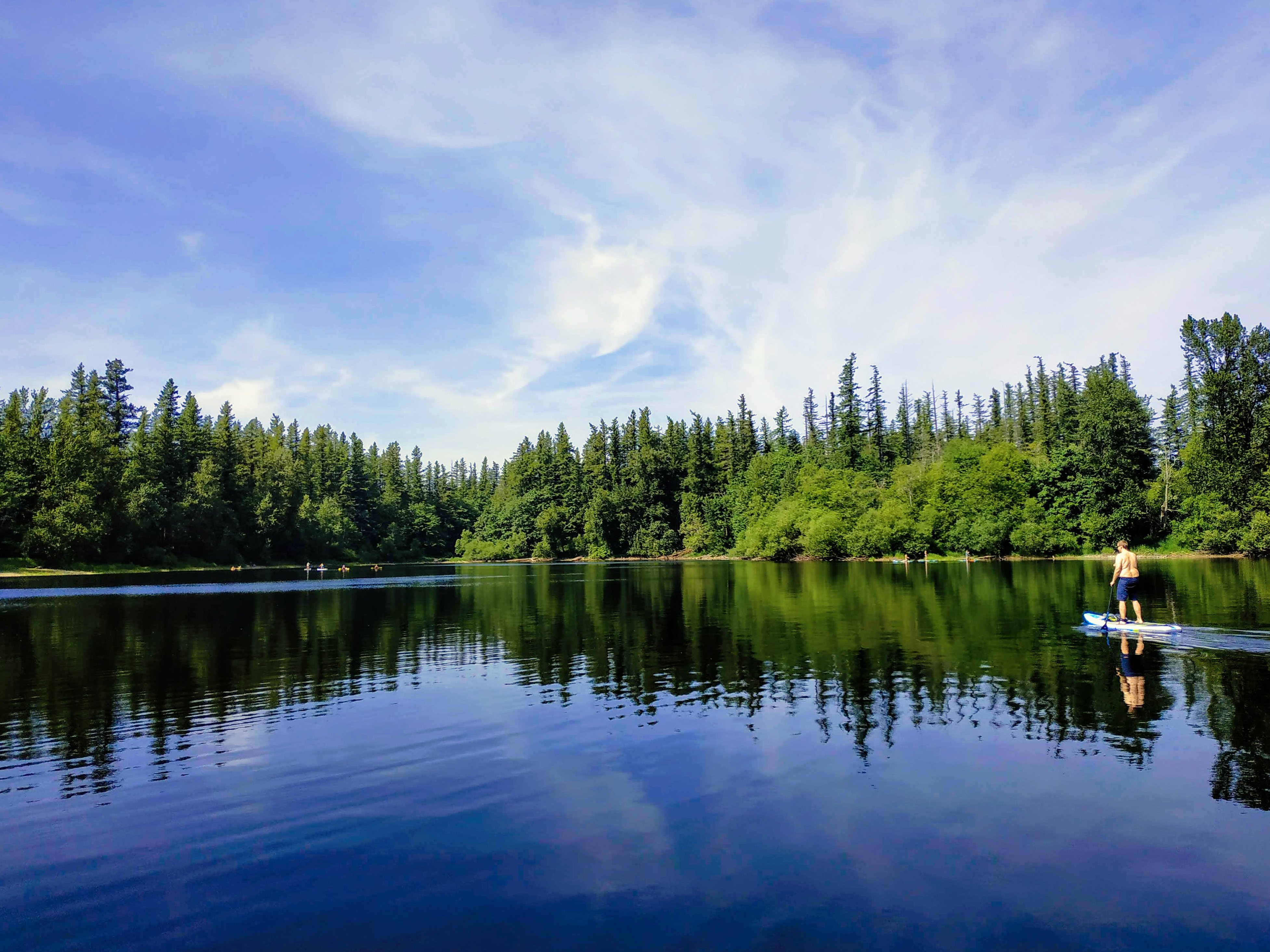
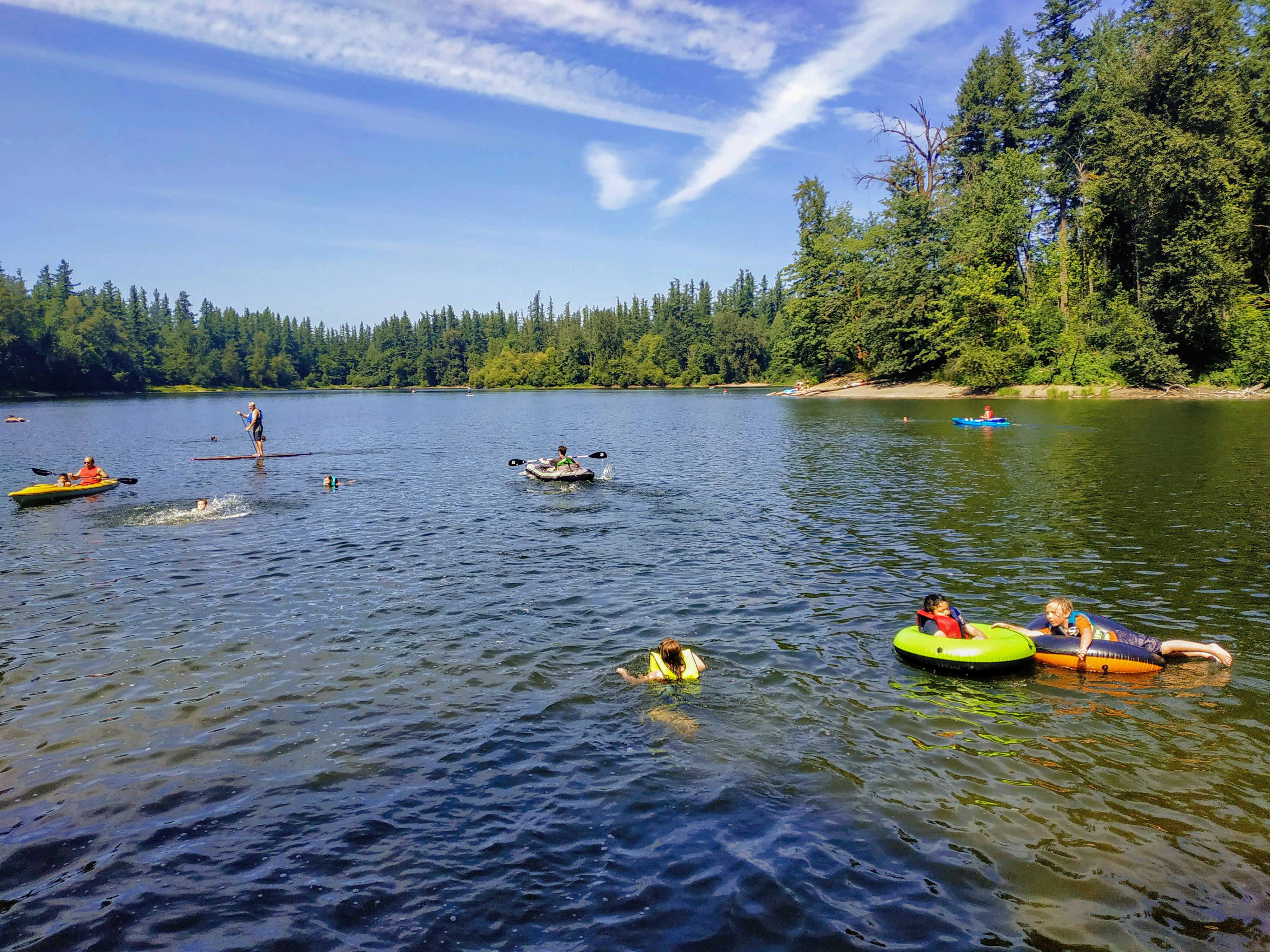
    I had heard of Deep Lake and Nolte State Park for years. However, I had never taken the time to visit it.  Then this year, my hubby and I purchased some inflatable stand up paddleboards (SUPs). So I started researching some places we could try them out around the Seattle region, and that’s when Nolte State Park popped up on my radar again. I am so glad we decided to check it out! It is such a beautiful lake for both stand up paddleboarding and kayaking. Please note that only non-motorized boating is allowed on Deep Lake.

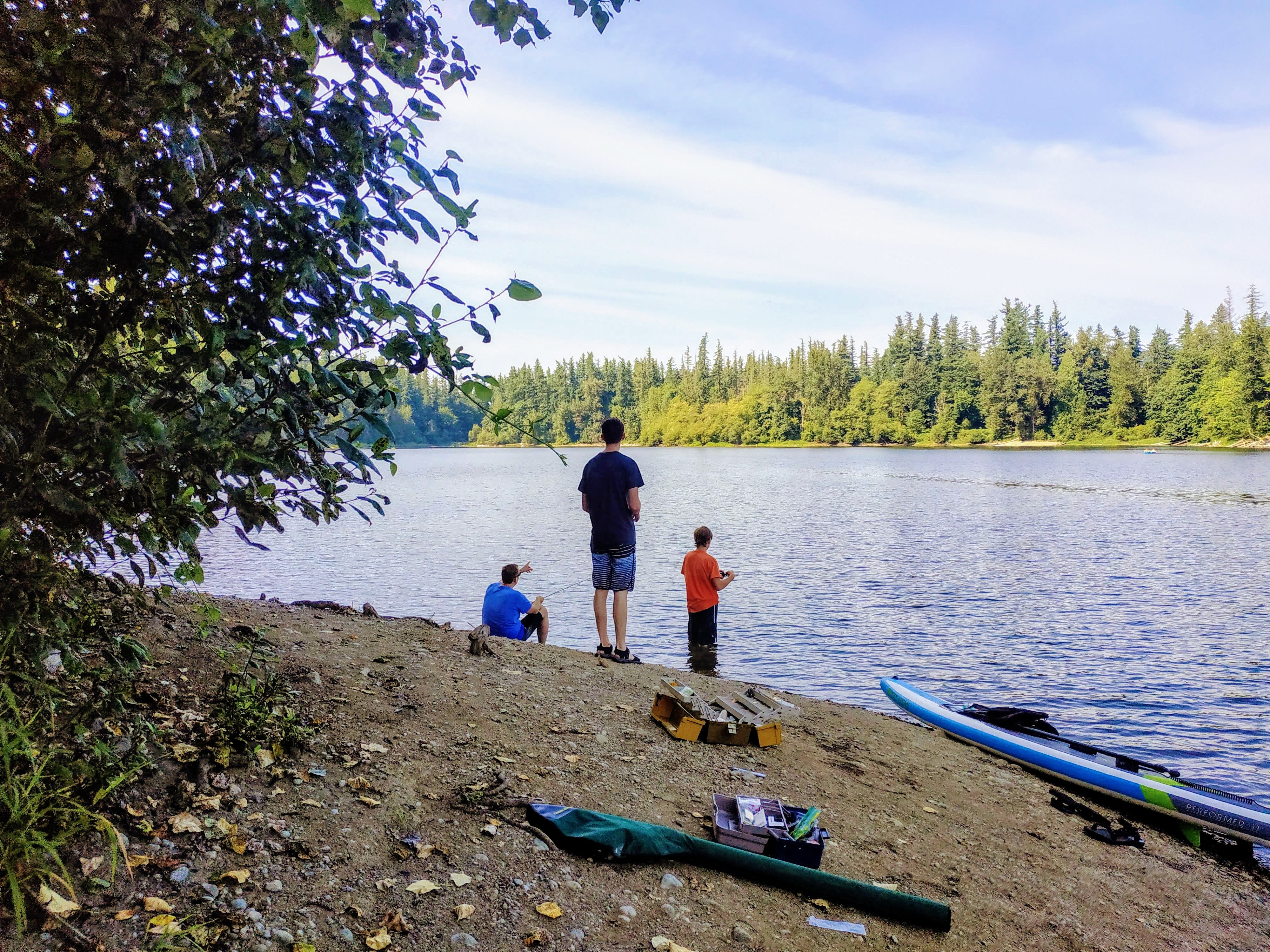
    Besides boating around the lake, if you enjoy fishing, Deep Lake is a stocked lake that is open to fishing year-round. You can catch rainbow trout, cutthroat trout, kokanee, yellow perch and more.

    The first day we paddled out on our stand up paddleboards here, fish were jumping everywhere!  Honestly, I was a little concerned one might jump up and knock me off my SUP! Now that would have made for a good story!

    In addition to bank fishing, Nolte State Park also has a fishing dock, and of course, you can always bring your non-motorized boat for fishing too. The dock can sometimes get busy with other anglers and in the summer it is often commandeered by a large crowd of kids who test out their cannonball skills. So finding a spot along the bank is often the best choice. 

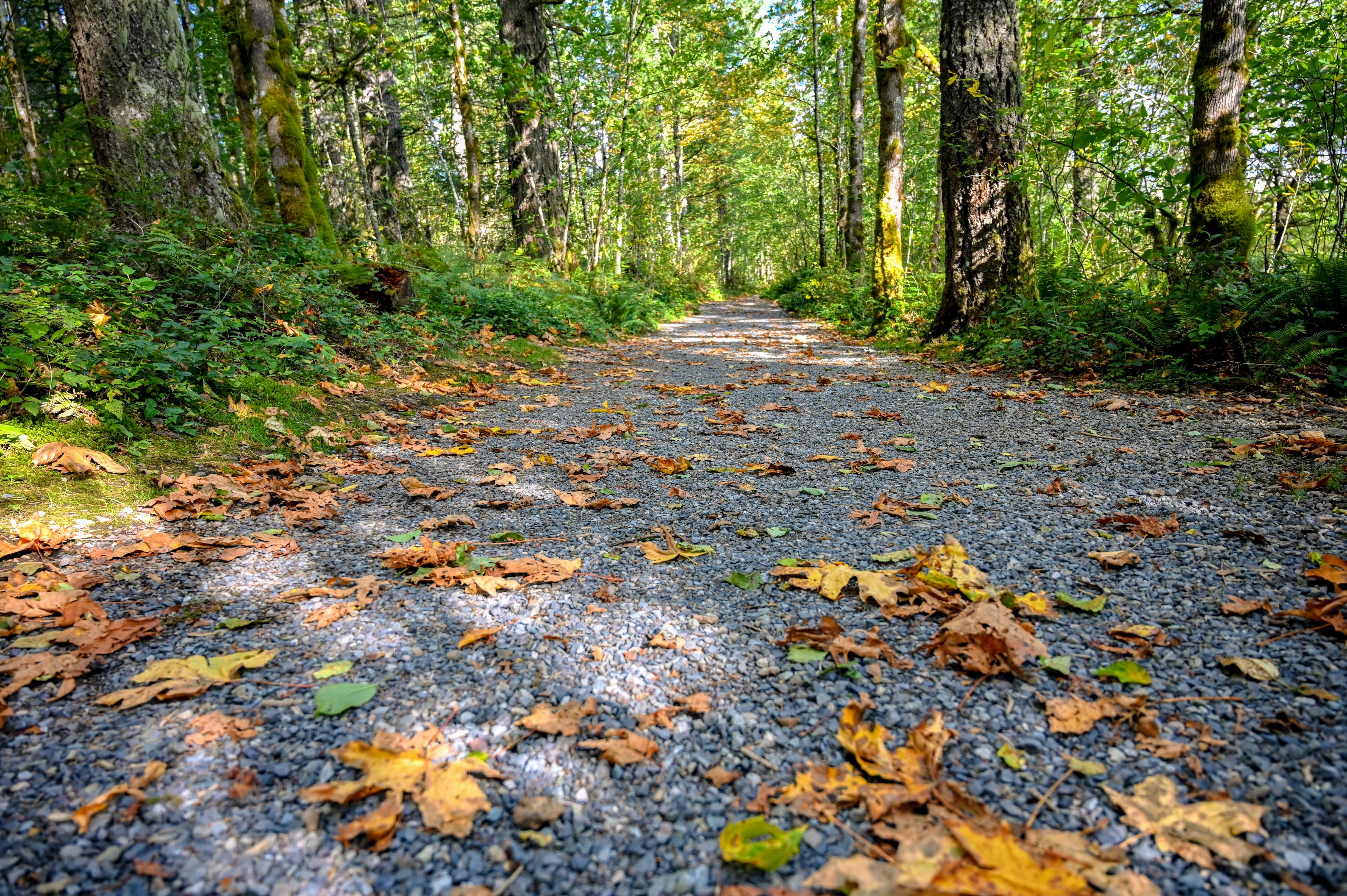
    If you prefer an activity that doesn’t require getting wet, take a peaceful stroll around Deep Lake. You will find the start of the 1.4-mile loop trail by following the path that goes alongside the playground area. I really this trail. It feels as though I’m miles away from the city as I listen to the wind gently blowing in the trees. I admire all the beautiful trees and meander down so many of the side paths that lead to the lake, that a man once lapped me 3 times!

    One thing I love, is that this trail makes for a beautiful walk no matter the time of year.  Even on a rainy day, you can just put on your raincoat and enjoy a quiet walk in the rain. Make sure to have fun exploring all the different side paths that take you down the lake.  Pick one and find your favorite thinking spot or perhaps your favorite fishing spot. Pull up a rock and enjoy the sound of wind rustling through the trees. 

    If you have kiddos who need to run off some energy, why not do a few laps around Deep Lake. Allow them to expend some energy while getting a little fresh air. There are multiple benches along the way for resting or for enjoying the serene surroundings. Also, the gravel path is stroller friendly!

    However, if you have mobility issues that make the path too rough for you, there is a short paved path alongside the large picnic area that has views of the lake and a grassy area with lots of picnic tables and grills that overlook Deep Lake.

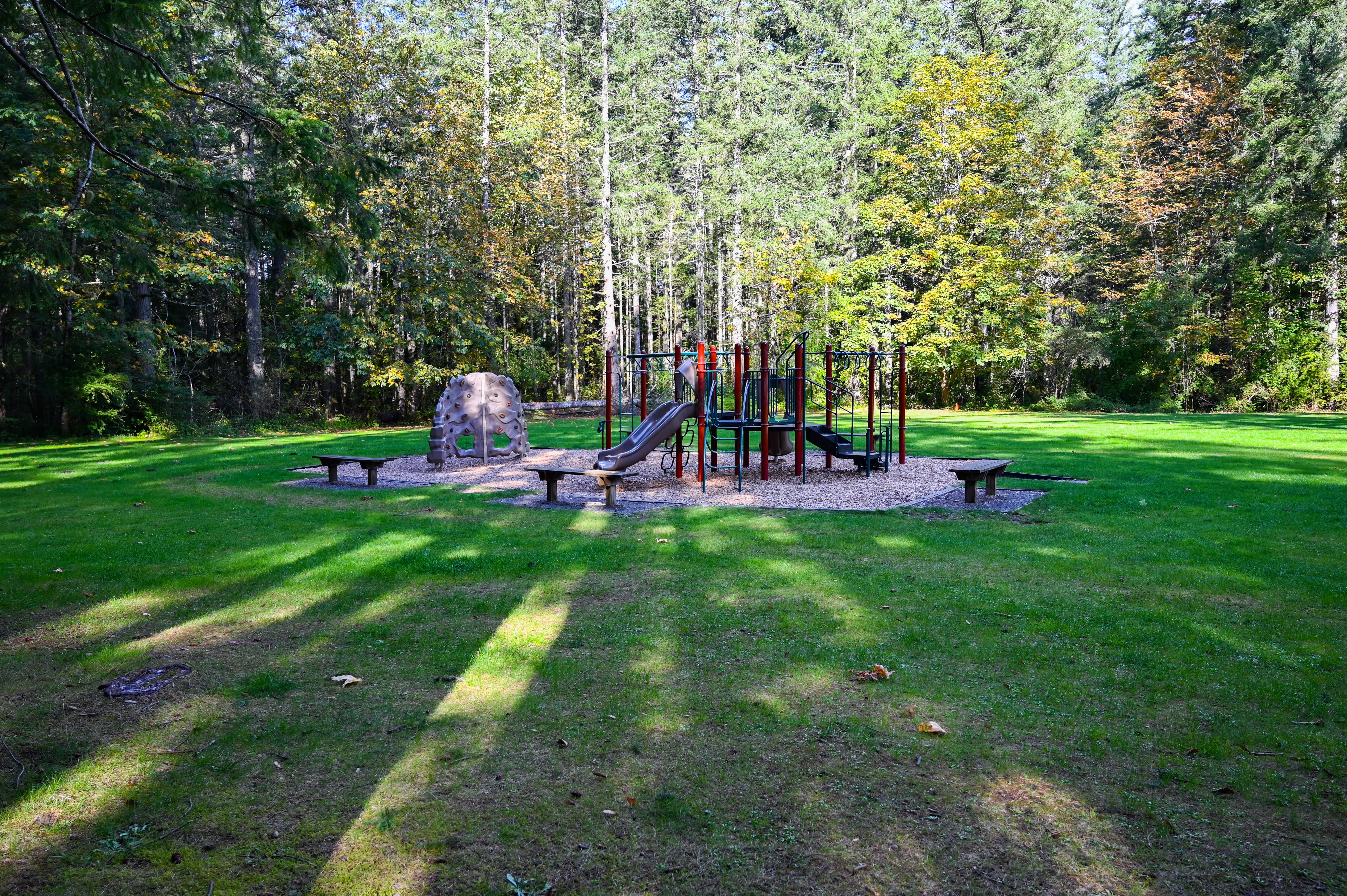
    In addition to boating, fishing, and hiking, there is also a horseshoe pit and a kids’ play area. And there is a small field next to the kids’ play area where you can toss a frisbee or football. There is really everything you could want to create a day full of memories.  We created fun memories with our nephews and niece. They loved swimming, boating and fishing — all in one day!

    Reservable Group Shelters

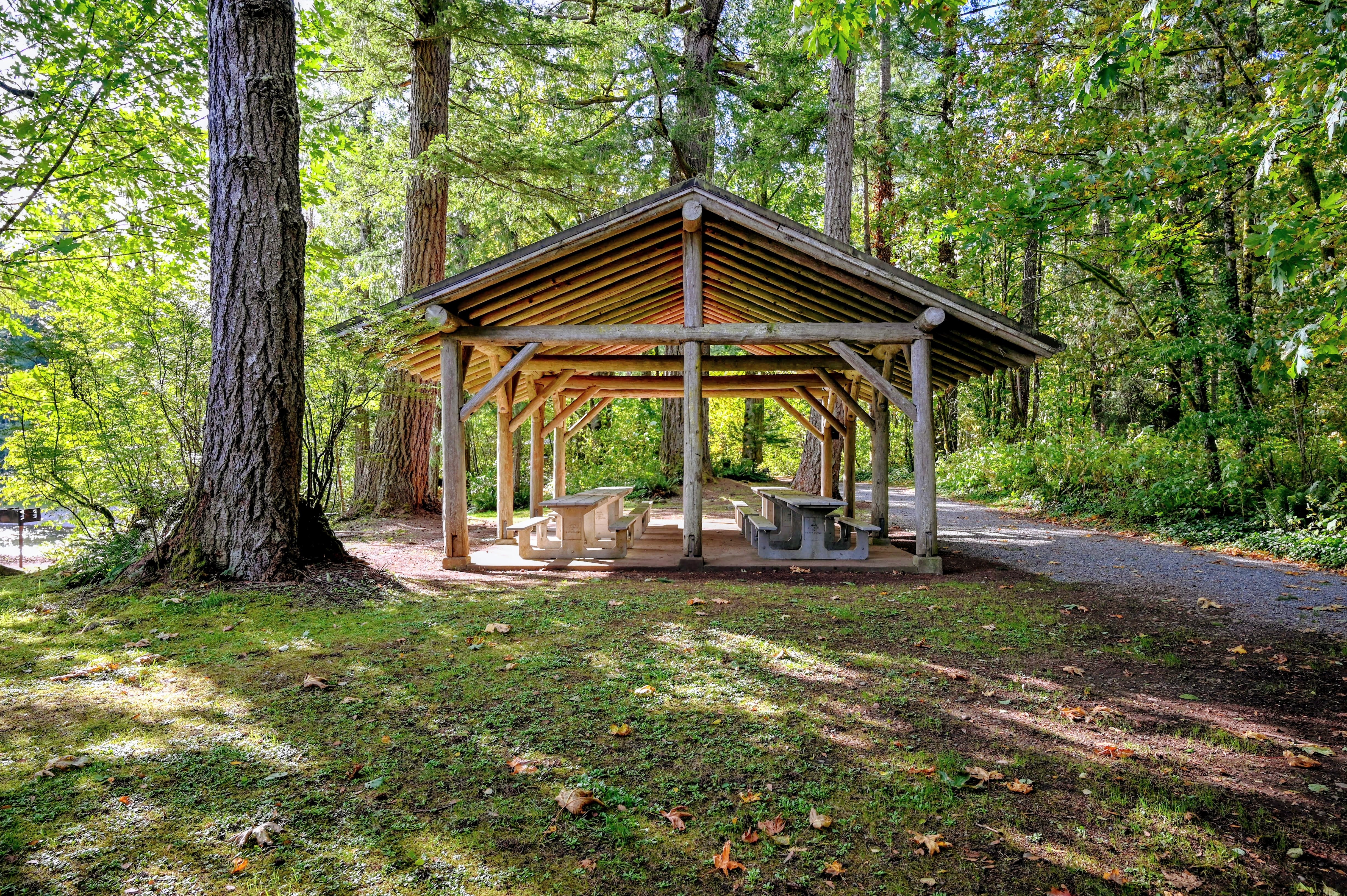
    Nolte State Park also has large kitchen shelters that can be reserved for groups ahead of time, and there are BBQ grills at almost every picnic area. Most BBQ grills are located in the central area overlooking the lake, but there are also a few on both sides of the lake, so make sure to look around and find the perfect spot for you and your group.

    Fees: You need a Discover Pass to park at Nolte State Park as it is a part of the Washington State Park system. You can purchase a day pass at the park for $10 or buy an annual pass for only $30.  I think the ability to go to all of Washington’s State Parks as much as I want for a year is worth the price. Skip a few trips to the coffee store, or purchasing your favorite snack for a month, or whatever.  

    And if the budget is still too tight, make sure to check out the WA State Park website for their free park days. They have multiple days throughout the year, where no Discover Pass is needed.

    Swimming in Deep Lake: There is no lifeguard on duty. There is a rapid drop off after you enter the lake when it becomes deep. Make sure all kids (and anyone who isn’t a strong swimmer) have life vests on at all times.  It would be far too easy for a child to drown here as there isn’t much of a shallow entry before it becomes too deep to touch bottom. So please take the necessary safety precautions to ensure everyone has a fun and safe visit!

    Nolte State Park Hours: 8 a.m. to dusk

    Fishing at Deep Lake: A Washington State fishing license is required to fish here for anyone 15 years or older. Visit the Washington State Department of Fish and Wildlife for further information.

    Restrooms: There are multiple restrooms with sinks and soap. Additionally there are drinking water spouts in a few different spots around the park.

    Nolte State Park Address: 36921 Veazie Cumberland Road, Enumclaw, WA 98022

    From Seattle: 

    Take I-90 E to Exit 17 for Front Street/Issaquah-Hobart Road Southeast, turn right onto Front Street and follow this road for almost 9 miles, (Front Street becomes Issaquah Hobart Road), continue following the road for another 5.5 miles as it becomes  276th Ave SE, and then also Landsburg Rd SE. Then turn left at the 2-way onto SE Kent Kangley Rd and follow for about 1 mile before making a slight right onto Retreat-Kanaskat Rd/Retreat Kanasket Rd SE. 

    Stay on this for about 3 miles before turning right onto Cumberland Kanaskat Rd/Cumberland Kanasket Rd SE. After about 4 miles this becomes Veazie-Cumberland Road SE, continue anther 1.5 miles before making a right into the main entrance (pass the boat launch entrance) for Nolte State Park.

    From Tacoma:

    Take I-5 N to WA-18 E towards Auburn. Then take the WA-164 E exit toward Enumclaw and turn left onto WA-164 E/Auburn Way S. Stay on this for about 7 miles. Then turn left onto SE 400th St/Krain-Wabash Rd and follow for another 7 miles before making a slight right to merge onto SE 392nd Street. Continue for about a mile before making a left onto Veazie Cumberland Rd Se. After about 1.5 miles make a left into the Nolte State Park entrance.

    During the summer, Nolte State Park can be very busy. So plan to come early in the day to get a parking spot as well as pick out your area on the beach and picnic area if you want to barbecue. And if you have a large group, make sure to reserve a group shelter ahead of time. There are a few parking spaces on the shoulder of Veazie Cumberland Rd SE if the parking lot is full.

    Take a little walk down the paths along the sides of the lake to see if you can find a picnic table nestled in the trees or closer to the lake. I think as you come here and explore the path around Deep Lake, you will soon discover “your” spot.

    Don’t forget to pack sunscreen and possibly bug spray. I haven’t had an issue with bugs here, but you never know! If you do forget something, Enumclaw is only about 7 miles away. 

    Pack it in and pack it out. Please make sure to pick up all your garbage when you finish enjoying your time here. I appreciate the efforts that the park’s custodians go to, to keep this park so clean, so let’s all do our part too!

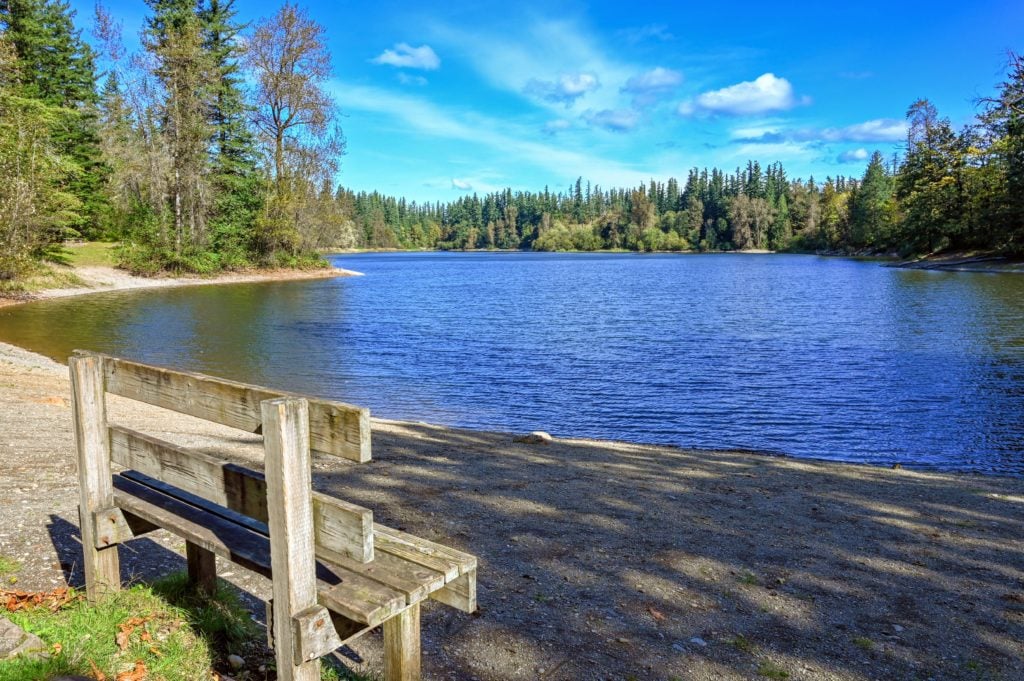
    Bench next to Deep Lake
    One of the best activities at Nolte State Park is finding a bench and enjoying the views!

    Nolte State Park makes the perfect getaway for the day. Bring your family and friends and spend the day creating fun memories by the lake.  Oh, and if you’re lucky, you won’t have any cell service here either. So you really can get away from it all! 

    Enjoy making memories!

  • Misadventures Riding the Washington Backcountry Discovery Route

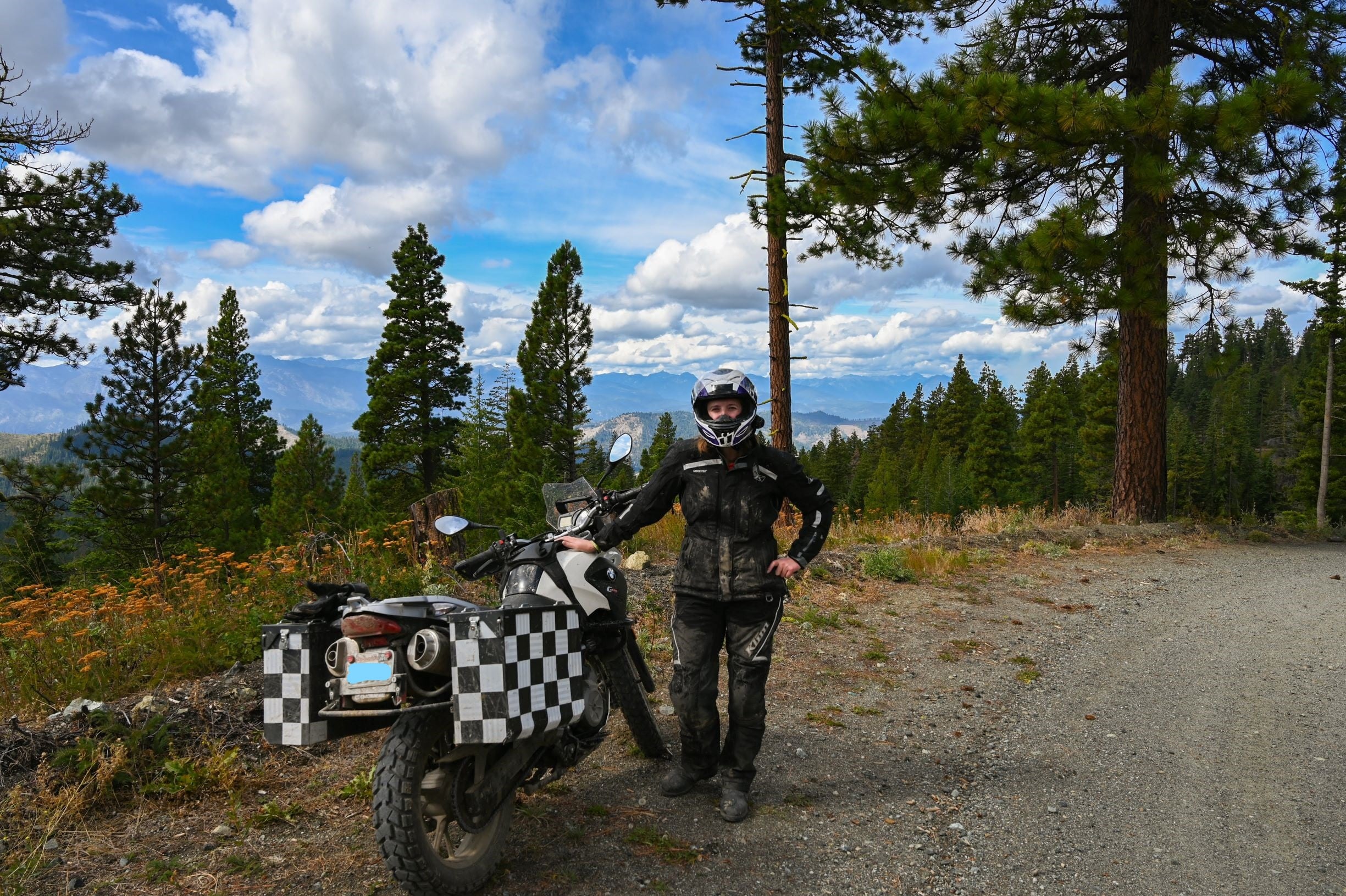
    I attempted the Washington Backcountry Discovery Route sections 4, 5 and 6 in early September.  You will learn more about why I say “attempted” as you read along.  The Washington Backcountry Discovery Route (WABDR) is 575 miles of (mostly) off-road riding that goes from the Oregon/Washington border to the Washington/Canadian border.  

    Read how I planned and what I packed. And if it is your first time planning a similar ride, I hope you will learn from my mistakes.  In this post, I will journal our experiences on this motorcycle adventure, my expectations before the trip and my confrontation with reality after day one of our journey.  

    Meeting Our Group the Night Before

    I am riding sections 4, 5 and 6 of the Washington Backcountry Discovery Route with my hubby, brother, and sister-in-law. Section 4 covers backroads from Cashmere to Chelan. Section 5 is Chelan to Conconully, and Section 6 is Conconully to the border crossing at Nighthawk. These three sections total to approximately 273 miles. We plan to spend one day riding per section.

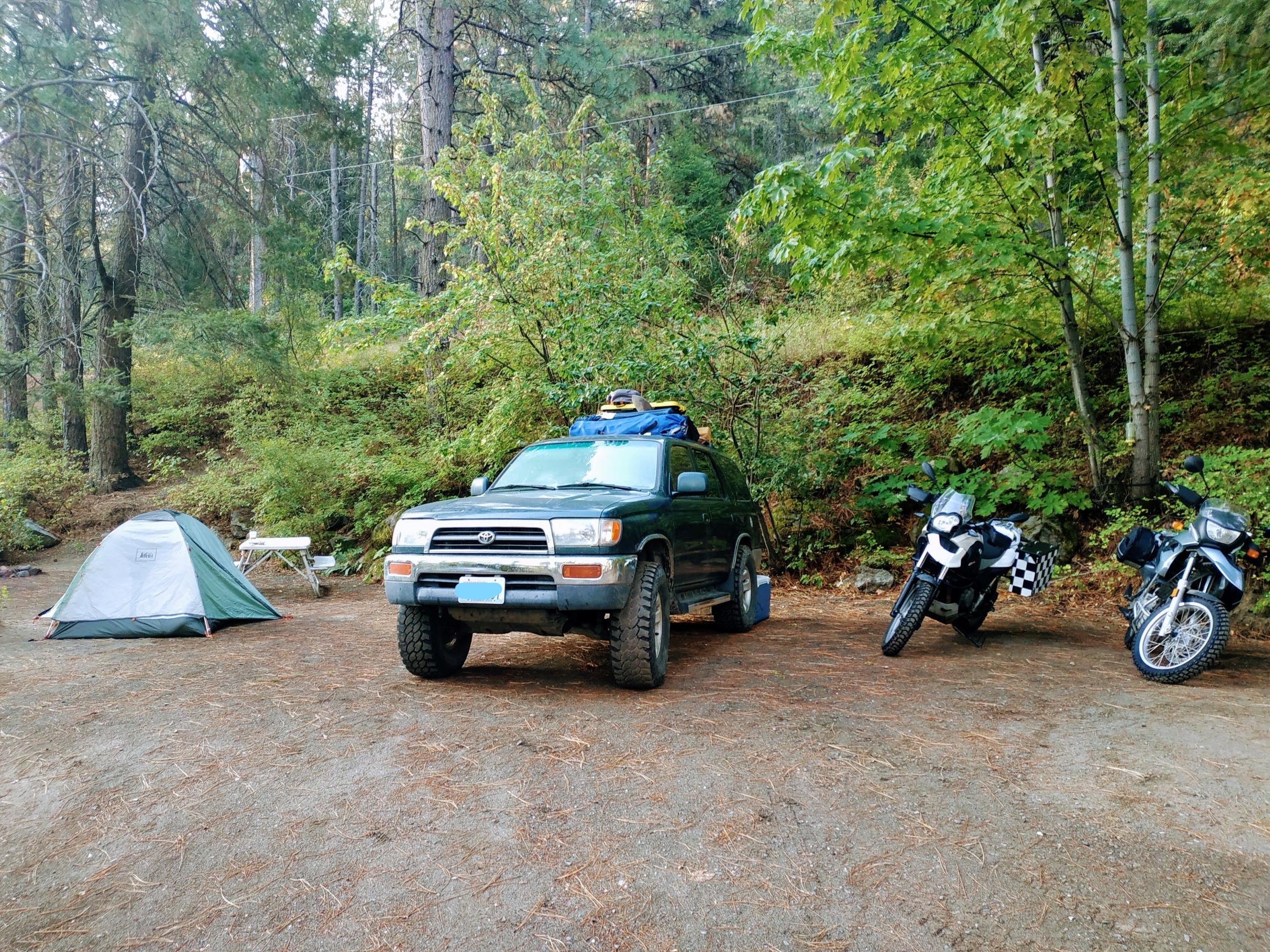
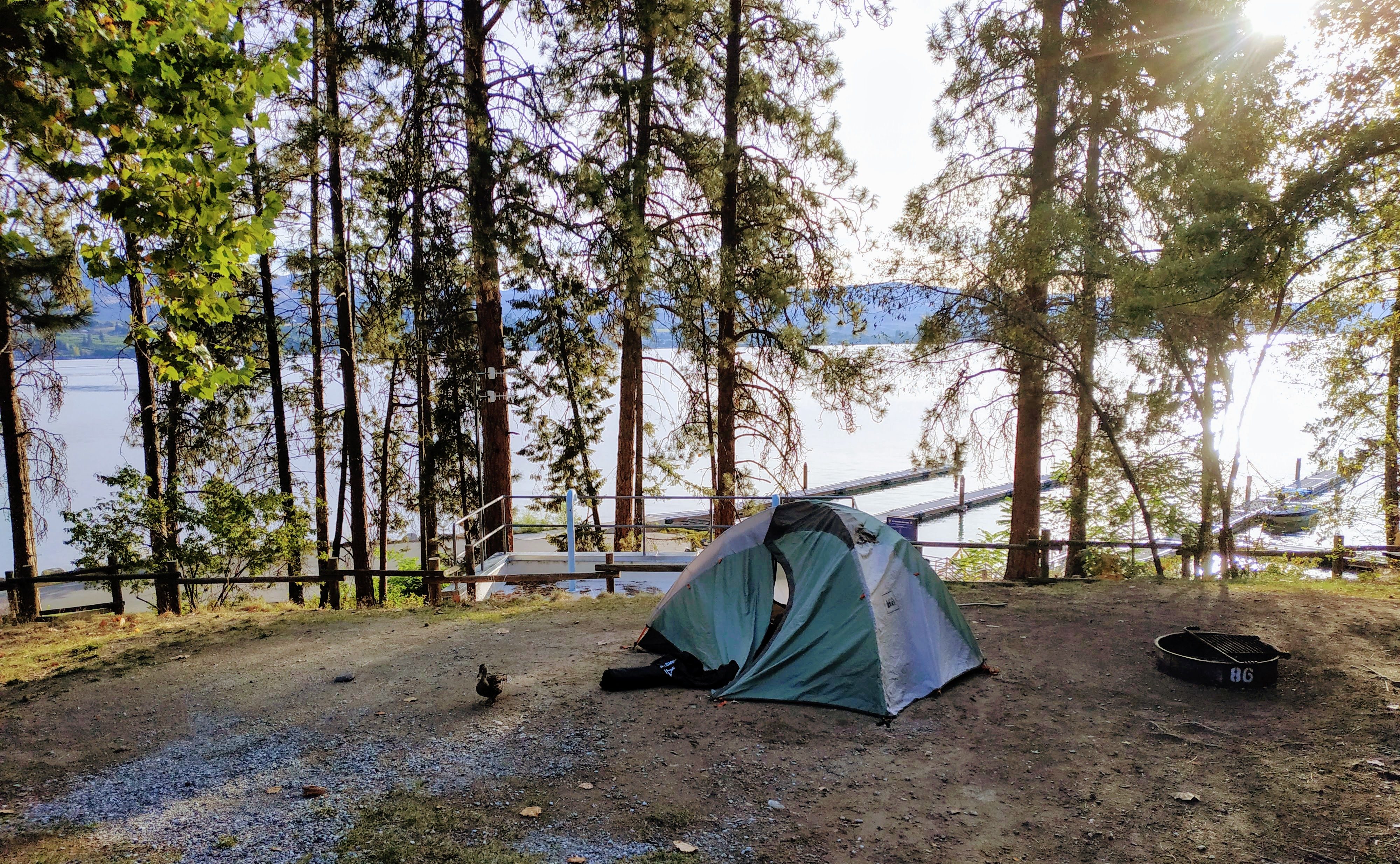
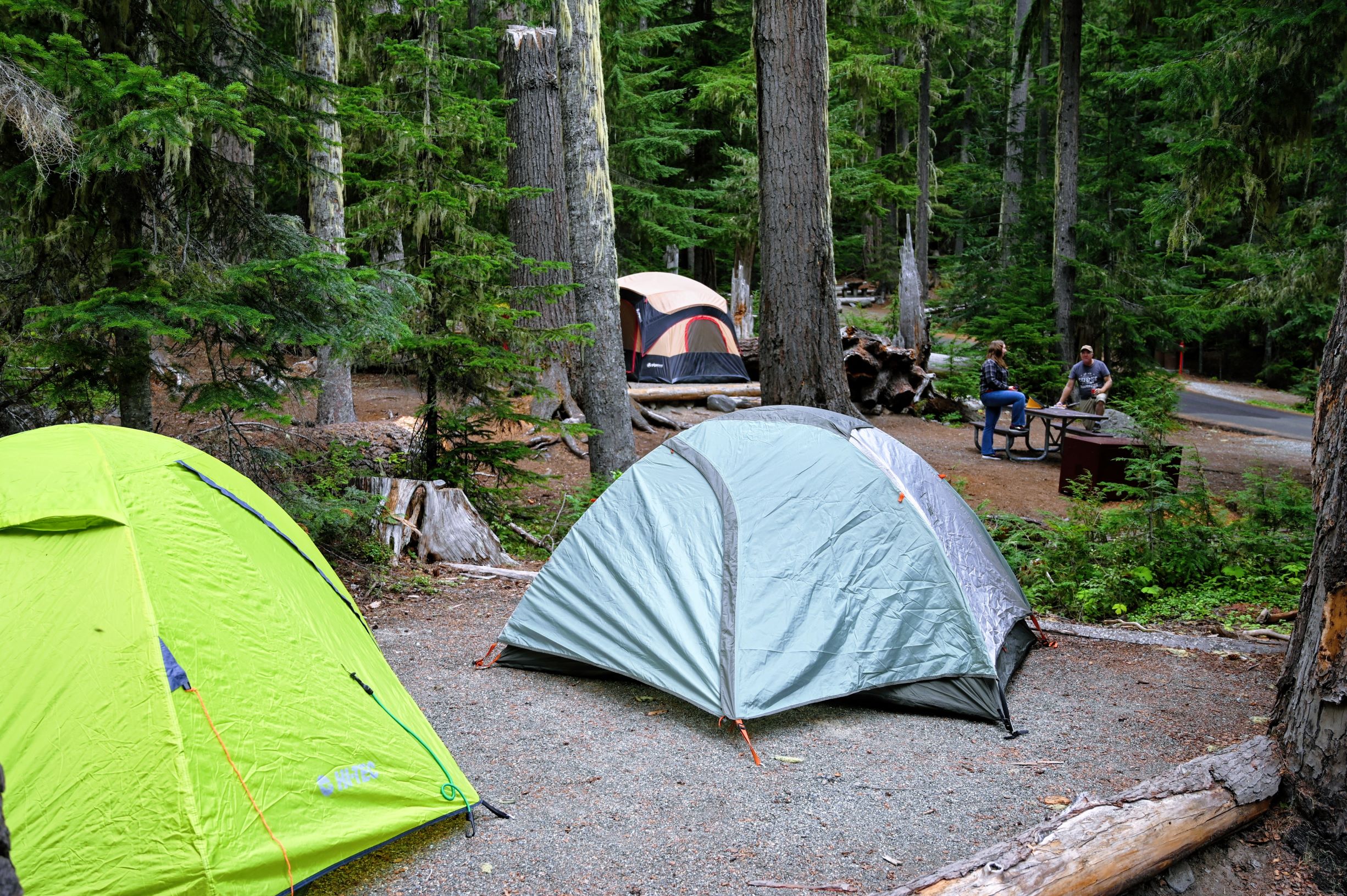
    My hubby and I rode over from Seattle Tuesday night after work to meet my brother and his wife in the town of Leavenworth, Washington. We reserved a campsite and planned to get dinner with them before getting some rest for our ride on Section 4  the next day. We had a great evening hanging out in Leavenworth, and everyone’s spirits are high and our hearts full of adventure.

    Day 1: Section 4 of the Washington Backcountry Discovery Route

    I was up around 6:30 a.m. No one else is awake, so I walk up the road to get coffee. Typically when we go camping, I make coffee at camp, but today’s campsite is conveniently located down the street from Starbucks. The campsite is still quiet when I return, and no one else is up yet.  I read, and I journal, I drink more coffee and finally decide to wake up my husband. It is now almost 7:45 a.m., and the rest of the group is finally getting up.

    This is the first in a series of lessons where my expectations meet reality and lack of planning.  I should have discussed with the group, the night before, what time we all thought we should leave. Then set the alarm and made sure everyone was up and getting ready on time.  However, I assumed that the day’s ride would only take 4 or 5 hours, so I wasn’t panicked. That was lesson two in setting expectations.

    We decided (against our better judgment) to go into town for breakfast. By the time we got into town for breakfast, it was already after 10:00 a.m.  I knew we should have just eaten at camp or stopped at a place along the route, but again, I thought today’s ride wouldn’t be that long.

    So long story short, we don’t end up starting the ride until almost noon!  Yeah, that was a big mistake!  

    In the Beginning, There Was a Puddle

    In the few days preceding our ride, the area had received heavy rain and flash flooding.  So shortly after starting the off-road portion of Section 4, we run into the mother of all mud puddles.  Think crater filled with water and mud. Then after you cross said crater, you must traverse along a thin stretch of dirt like a tightrope walker to avoid getting stuck in the large muddy ruts on each side.  The grooves were so deep in places that if I were to get stuck in them, my panniers would hit the sides of the rut.

    Hubby is in the lead, and he makes it through the mud puddle (crater) and safely to the other side.  I, however, stopped at the edge of the mud crater– that was a mistake. And then I let that pit get in my head and psych me out — another mistake.  My brother gets out of his 4Runner to give me some pointers on crossing the puddle. He offers to ride it for me, but I say no, I need to do this myself.  So I proceed to descend into the muddy pit only to shortly thereafter lay the bike over.  

    Puddle Wins 1-0

    My husband said he heard “glub, glub, glub” on the communication system.  Yes, that was me and my helmet immersed in muddy puddle water. I ask my brother to get my bike up quick. The last thing I want is for it to take in water.  So he gets in and soaks his feet and legs to help me get my bike up. He’s a good big brother. I’m unhappy at this point and frustrated with myself for letting this puddle get the best of me.  And I am also not happy about just starting the ride and being soaking wet!

    But, I get back on my bike, and now I am staring down the deep ruts on either side, willing myself to look forward to where I want to go and not at those deep ruts where I don’t want to go!  (There’s probably a life metaphor in there somewhere.) My brother once again helps me, as I’ve slid into a rut, and after he helps me out, I make it safely across to where my hubby is waiting.  

    Oh, and a quick note about our communication devices. We purchased Sena SMH10s for this ride, and we loved having comms! It was invaluable to be able to communicate directions and needs while riding.  Additionally, besides the mud puddle, we also road in heavy rain on our way back to Seattle and the comms seemed unaffected.  I highly recommend you consider a communication system when doing a group ride.

    If A Tree Falls In the Forest

    And now the irony of it all, no one thought to take any pictures of the muddy crater, the huge ruts, me dripping wet, nothing.  So I ask you: If you ride off-road and take a plunge in a huge mud puddle, but no one captured it on camera, did it even happen?

    Little did we realize, but the puddle was just a taste of what this day would hold. There were more deep grooves and washouts, rocky ascents and descents, road closures and detours all culminating in a dark and rocky ride down to the town of Chelan.

    Chumstick Mountain Summit to Ardenvoir

    We make it to the summit of Chumstick Mountain, elevation 5,810 feet and take a break and enjoy the views.  Our spirits are high, and we’ve had a great time riding thus far.  Each puddle I’ve encountered since “the” puddle has been easily crossed or avoided, and we’ve been gaining confidence and experience. I’ve heard “whoops” and “wahoos” over the comms and enough corny jokes to last a lifetime.  This is what the journey is about.

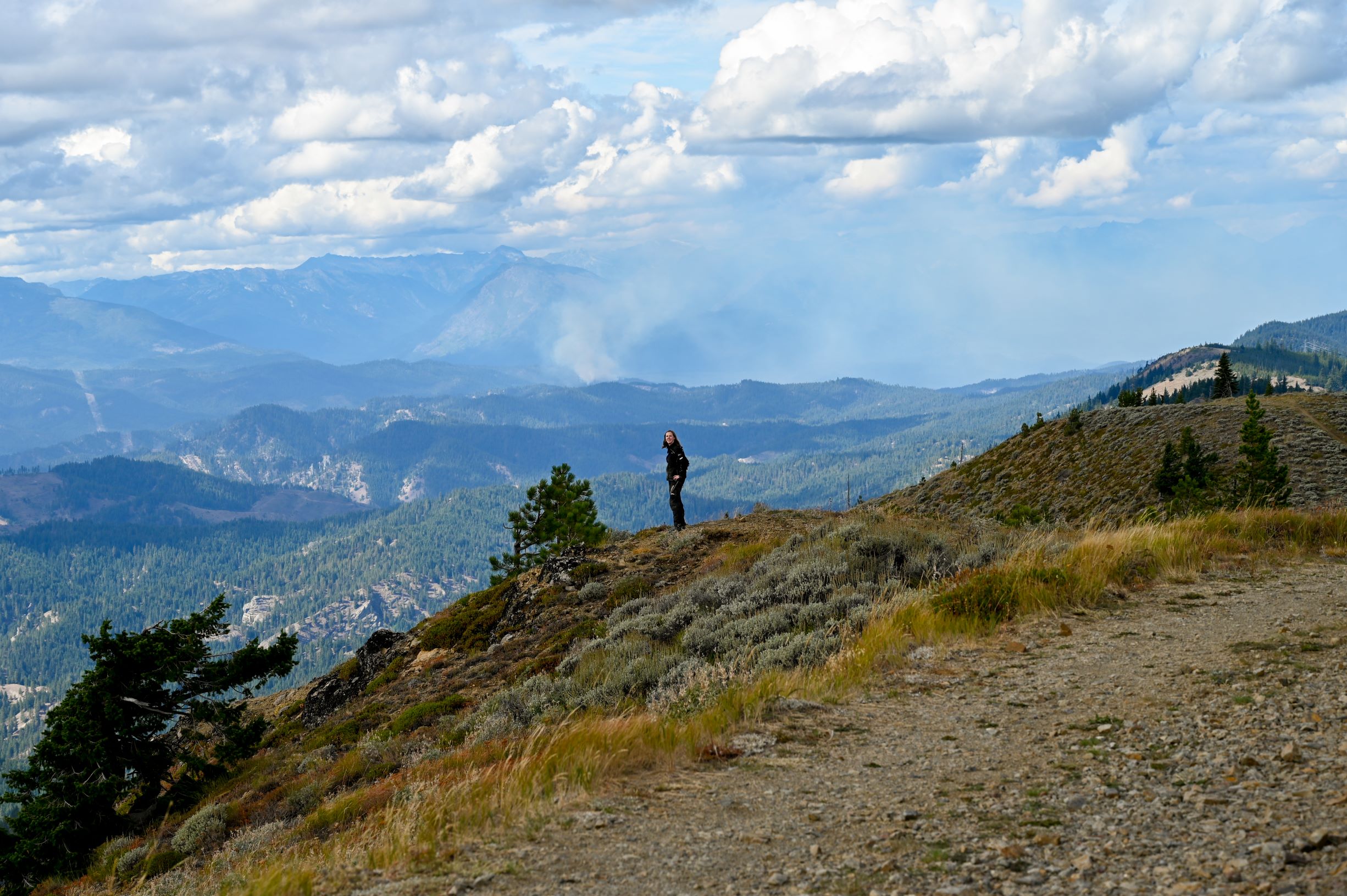
    As we enjoy our break, we notice a fire in the distance, and we hope that we won’t need to ride through it. We don’t and are happy about that. We eat a snack and continue our ride to the next waypoint in the town of Ardenvoir.

    As we are about to hit pavement for our ride into Ardenvoir, a “road closed” sign is blocking our path.  We followed the detour signs, and it felt like we were backtracking in the direction we had already come. After the initial detour, we came to another fork in the road with another detour sign. According to the map, the detour would not take us where we wanted to go, so we continued straight to stay on NF-5801. It was around 1 to 1 1/2 hours later that we arrived in the town of Ardenvoir. 

    The gas station is closed, because, you know, it’s Wednesday.  So we decide to keep going. It is now about 5:30 p.m. as we start our ascent of over 4,000 feet to reach McKenzie Ridge. After that, we will ride down Slide Ridge and hopefully reach Lake Chelan before dark.

    McKenzie Ridge Meets Misguided Expectations

    Oh, the optimism and the naivete I held at that moment. I was sure we could make it to Lake Chelan before dark.

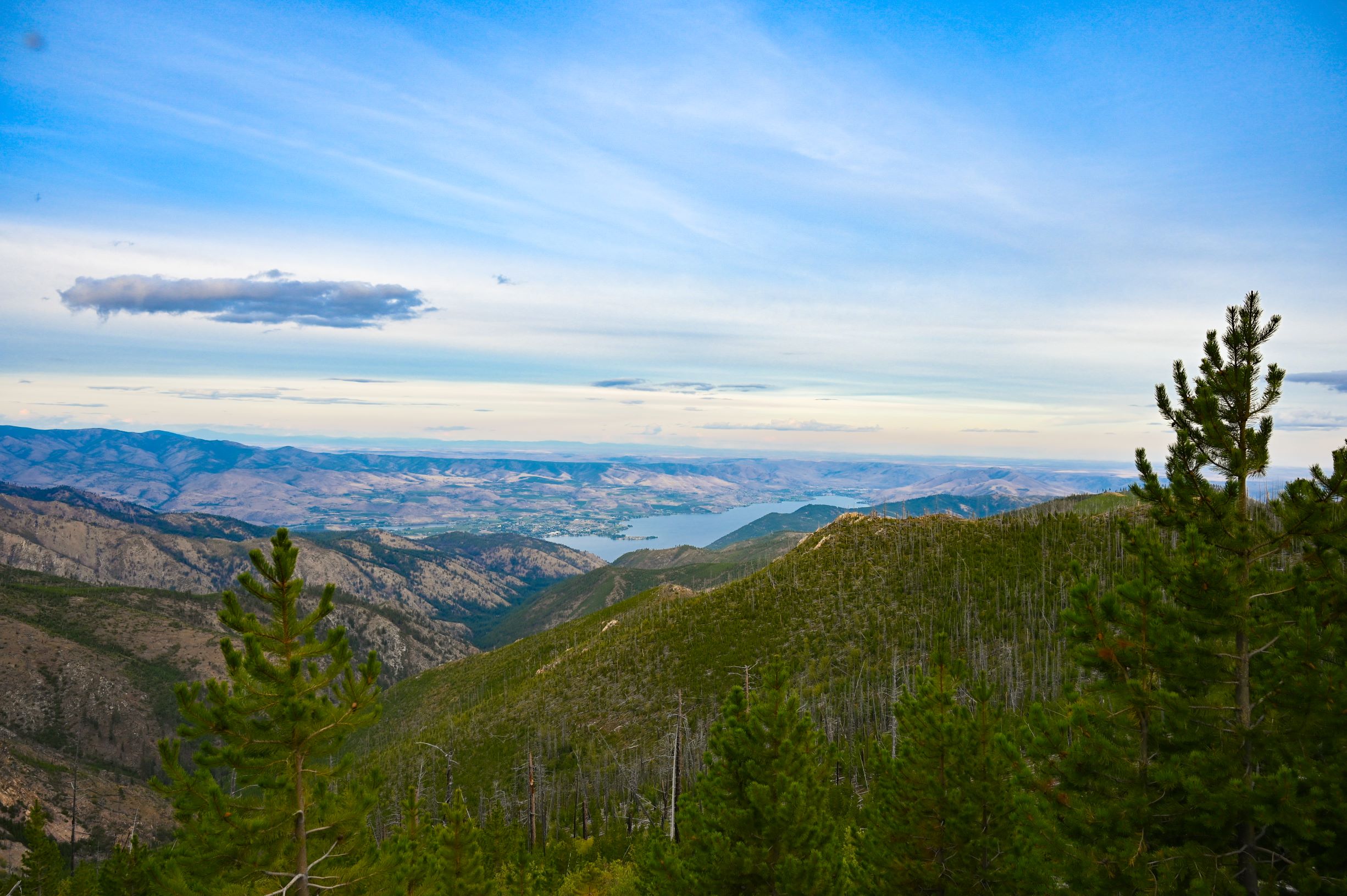
    As we reached McKenzie Ridge, we saw beautiful views of Lake Chelan. And it filled us with hope. We could see our destination, and it felt closer than it actually was.

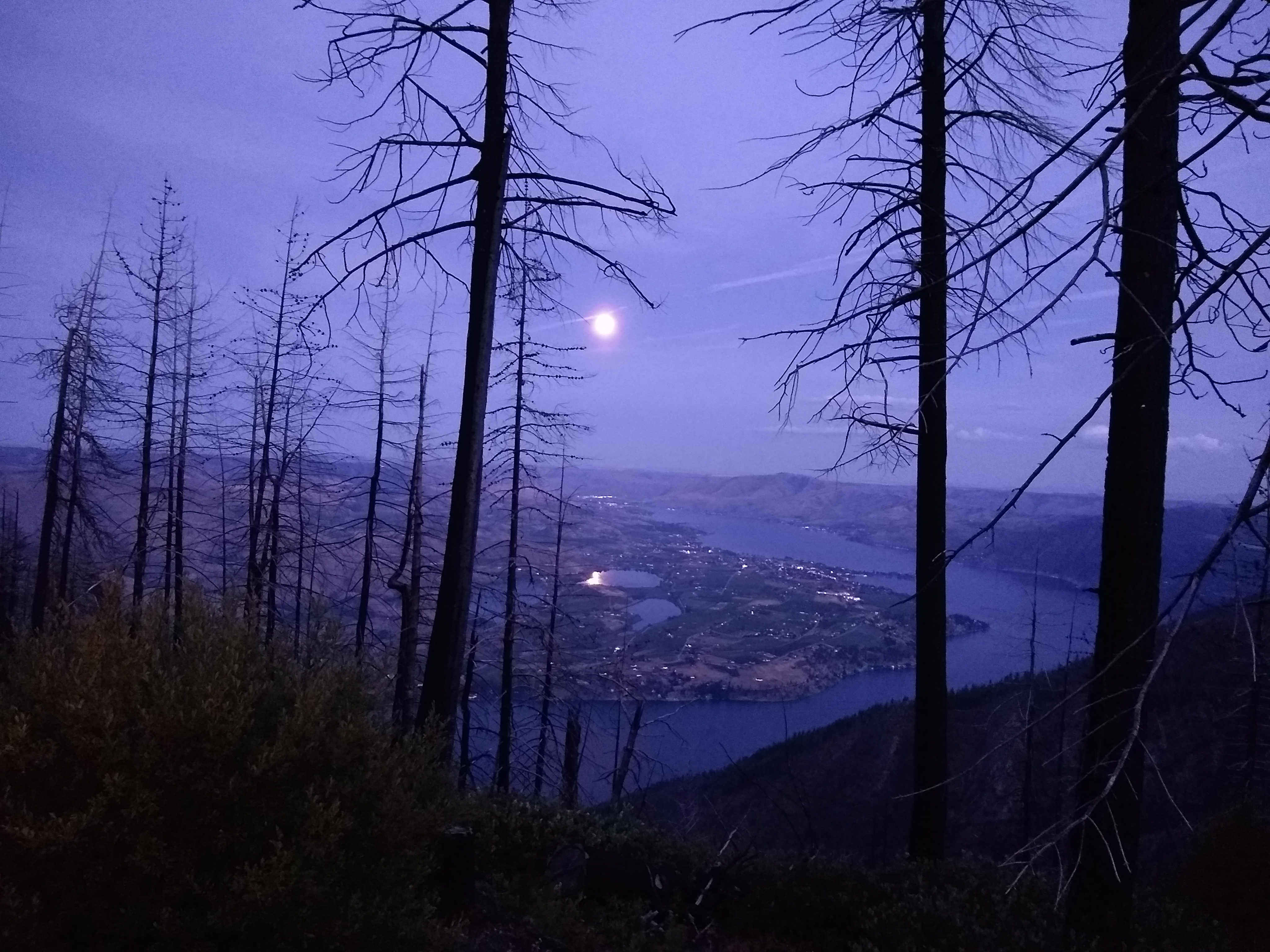
    The lake calls to us as we begin our descent down Slide Ridge, telling us, we were close. We were not close enough. Soon daylight turned into dusk and dusk to darkness.

    Riding in the Dark

    We continue our ride down the mountain in the dark, passing primitive campsites along the way. I call out to my hubby, who was in the lead, “we can camp here.” He continues riding, his reply, “I just want off this mountain.”

    We are exhausted and sore and riding down that rocky road full of ruts took every ounce of concentration and strength. On top of that, my husband’s rear brakes overheated and were no longer working. This meant he had to use a combination of riding his clutch and applying soft front brake pressure in the steep areas. 

    I, on the other hand, had not taken the time to clean my visor from my initial fall in the mud puddle. So I was riding with my visor up, all the while praying that those bats that kept flying across my path would not fly into my helmet.  Standing up in the rough parts now took every ounce of strength I could muster.

    We skip the optional “jungle” on section 4 and take the easier alternate route down.

    I thoroughly regretted my foolish assumptions at this point. Assuming things would take less time and assuming our skill levels were higher. I was feeling bad that I had pressured my hubby into continuing the ride from Ardenvoir when he had doubts about it — and desperately wanting to get off the mountain safely.  Off-road motorcycle riding at night was not part of the plan.

    Pavement Oh Sweet Pavement How I Missed You

    We rolled into our campsite at Lake Chelan State Park around 10:30 p.m. After over 10 hours of riding, we were never so happy to see pavement as we were that night. I didn’t know if I’d be able to walk the next day. I was completely spent.

    Riding is a workout, and riding off-road is both physically and mentally demanding.  Choosing your lines and hours and hours of standing and sitting (think of doing squats for an entire day) and being pounded by rough and rocky road conditions. Even my brother and sister-in-law in the Toyota were feeling it. 

    I realized that day that I was not in the physical shape, I needed to be in, and I overestimated my stamina and ability. I should have planned to camp on the mountain and split section 4 into two days rather than one. We are beginners, not seasoned adventure riders.  What I want to be and what I was at that moment were two very different things.

    We set up camp in the dark, my brother quickly grills up some hot dogs, and we crawl into our sleeping bags.

    Day 2: Section 5 of the Washington Backcountry Discovery Route

    We get up around 7:00 a.m. this morning. I can move, and I can walk, so I’m thankful for that.  My quads are really feeling the workout from yesterday. My brother fixes some pancakes and eggs on his grill, while I get the coffee going.  We eat and then pack up camp before taking a quick stroll down to the lake.

    It’s after ten, and we’re finally leaving camp.  However right after leaving, we discover the communication devices aren’t working correctly and neither is the GPS.  We fuel up and re-sync the comms again. The GPS signal keeps dropping.  We continue driving in the direction of Section 5, and my sister-in-law tells me thru the comms that it keeps saying, “GPS signal lost.” 

    Then it said re-routing when it connected again. So we turn off where the GPS instructs us, and soon we hit gravel roads. We stop again to re-sync the comms as my brother can hear me, but I can’t hear him.  GPS is still acting up, but we’re just going to try to follow the line on the map.

    The Road Less Traveled

    The ride starts with a grated gravel road and then turns into a fun climb up dirt roads. The stress of the previous night is behind us as we enjoy riding along this new path. There’s nothing quite like standing on your bike, wind in your hair, and a little dirt under your tires.

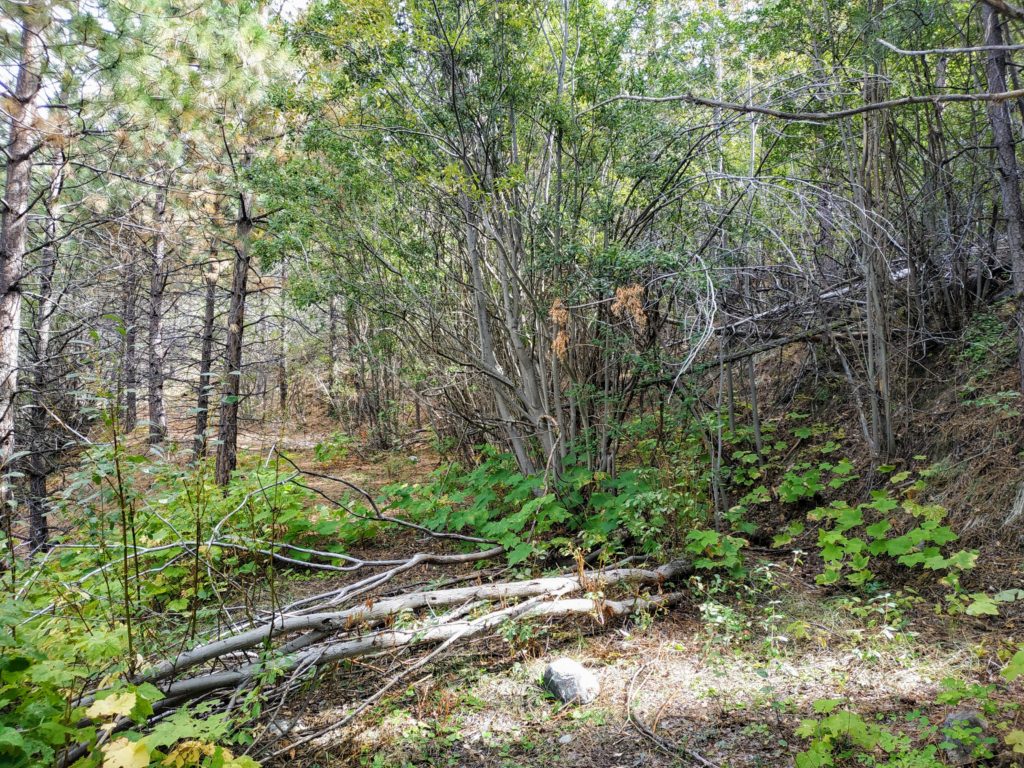
    Soon we hit a section of road that looks like no one has ridden on it for a very long time.  We climb up a rocky section with ruts on either side only to reach an overgrown jungle of a road where we decide to stop and regroup. 

    This does not feel like the right path.  While I get out the paper map (something I should have done at camp before leaving), my brother decides to walk the trail a bit further. Soon he comes back and says, “uh I don’t think we’re going any further.”

    Let me tell you right here, if my brother has doubts, then it is absolutely a no-go for me.  He has years of off-road riding experience and is known to do some crazy stuff, so I listen when I hear any tiny whisper of doubt coming out of his mouth.

    Off Road Motorcycle Trail in Washington
    Something tells me this is not the road we are looking for. You can’t see from the picture, but on the left, there is a drop-off. The Toyota has “just” enough space to get by the tree on the right, but its tires would have to ride the edge that is already sloughing off. Not worth the risk. Not to mention the road doesn’t improve beyond this point.

    I look at the map, and I say “we’re here and you see this road, way over across the mountain, yeah that’s the road we’re supposed to be on!”  The GPS re-routed us to link up to the original road, unfortunately, the path we’re on, isn’t used by anyone other than cows, so it’s a no-go for us.

    We come to the unfortunate conclusion that we must now turn around and go back to the highway to start again. We will discuss what to do once we make it back down.

    Tough Decisions

    We’ve finally returned to the highway where we missed the correct turn off for Section 5 of the Washington Backcountry Discovery Route. It is around 2:30 p.m., and we are still tired from the previous day’s ride.  Due to our time limitations, current physical state, and desire to be safe; we decide to skip Section 5 and instead ride up to Omak via the highway. 

    We aren’t happy about the decision, but we know it is the right one for us at this time. It is too late in the day to complete section 5, and we did not plan enough days to allow for an extra day of camping and riding.

    So we ride to Omak where we’ll spend the night and get our gear ready for the final section of the Washington Backcountry Discovery Route, Section 6.

    Day 3: Section 6 of the Washington Backcountry Discovery Route

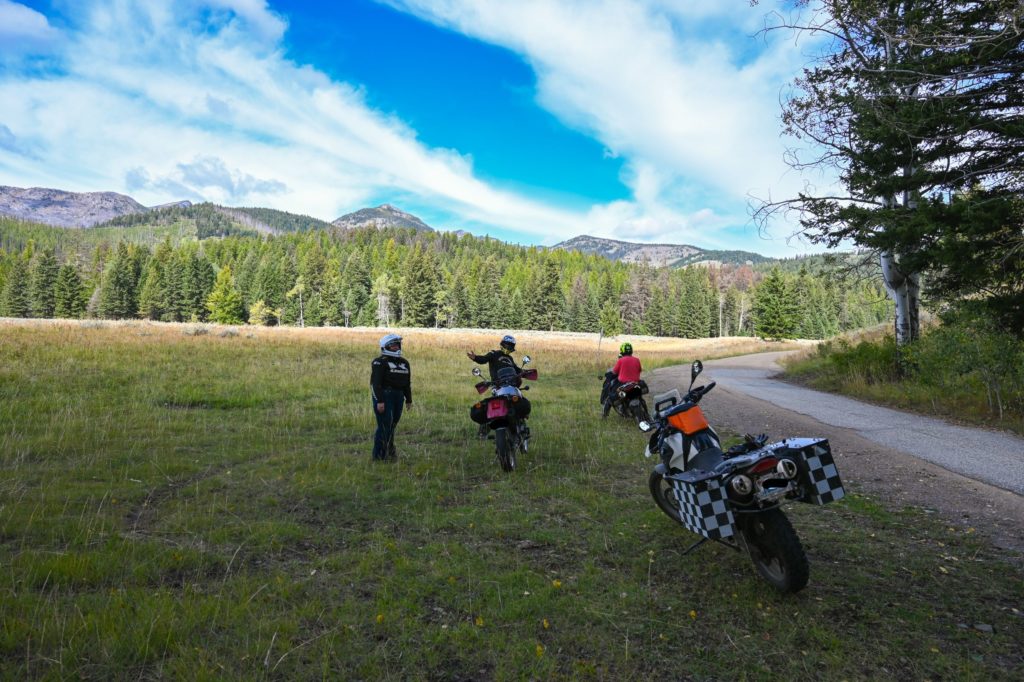
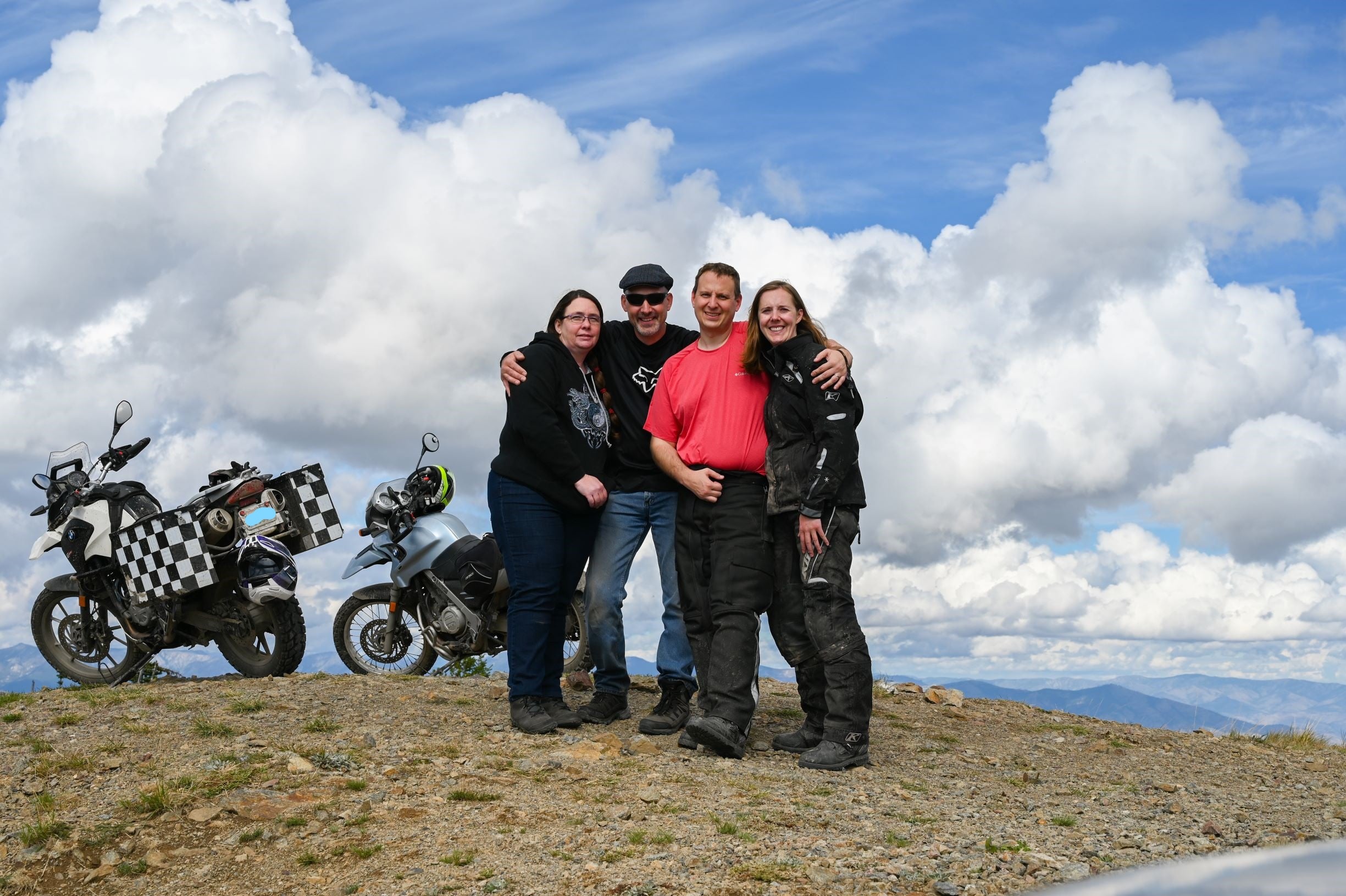
    Three Off Road Dual Sport Riders near Conconully Washington
    We stop on Section 6 near Conconully, to fix our gear and have a little fun.

    My brother and his wife are riding his KLR today. Since we will not be camping, he doesn’t need to bring the Toyota.  In the future, he’ll purchase panniers so he can camp off his motorcycle too.

    We eat breakfast and fuel up.  Then start the ride around 9:30. We don’t need our GPS or maps today as my brother has covered practically every road in the mountains surrounding the Omak area. He knows today’s route forward and backward.  I mean he knows where the dips are and where the mud pits are. If anyone needs a guide to ride in the Okanogan Valley, he’s your guy.

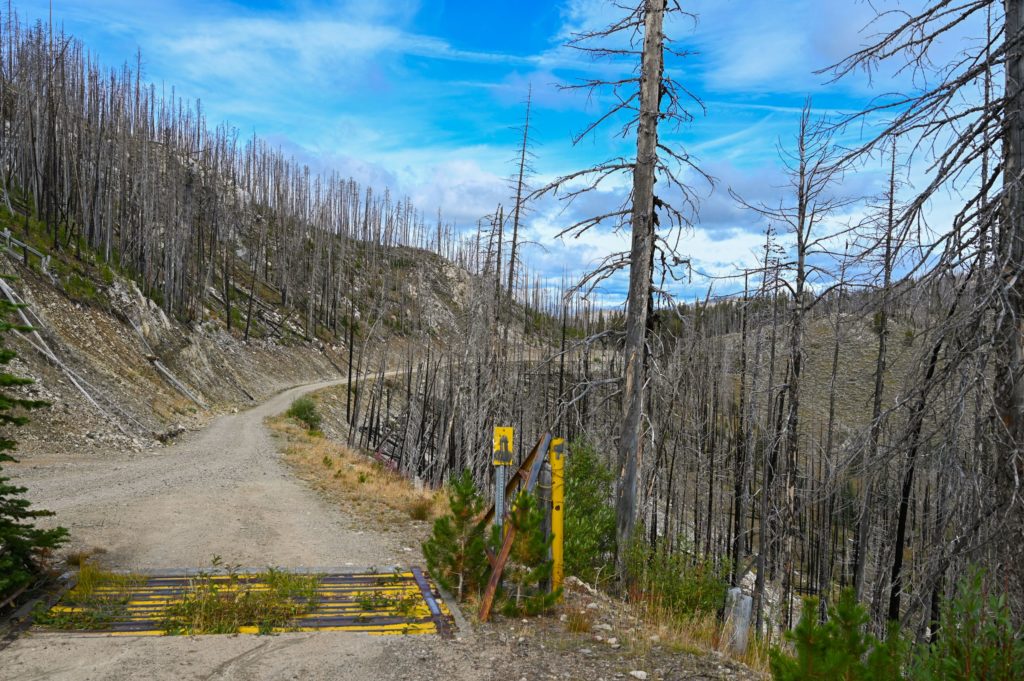
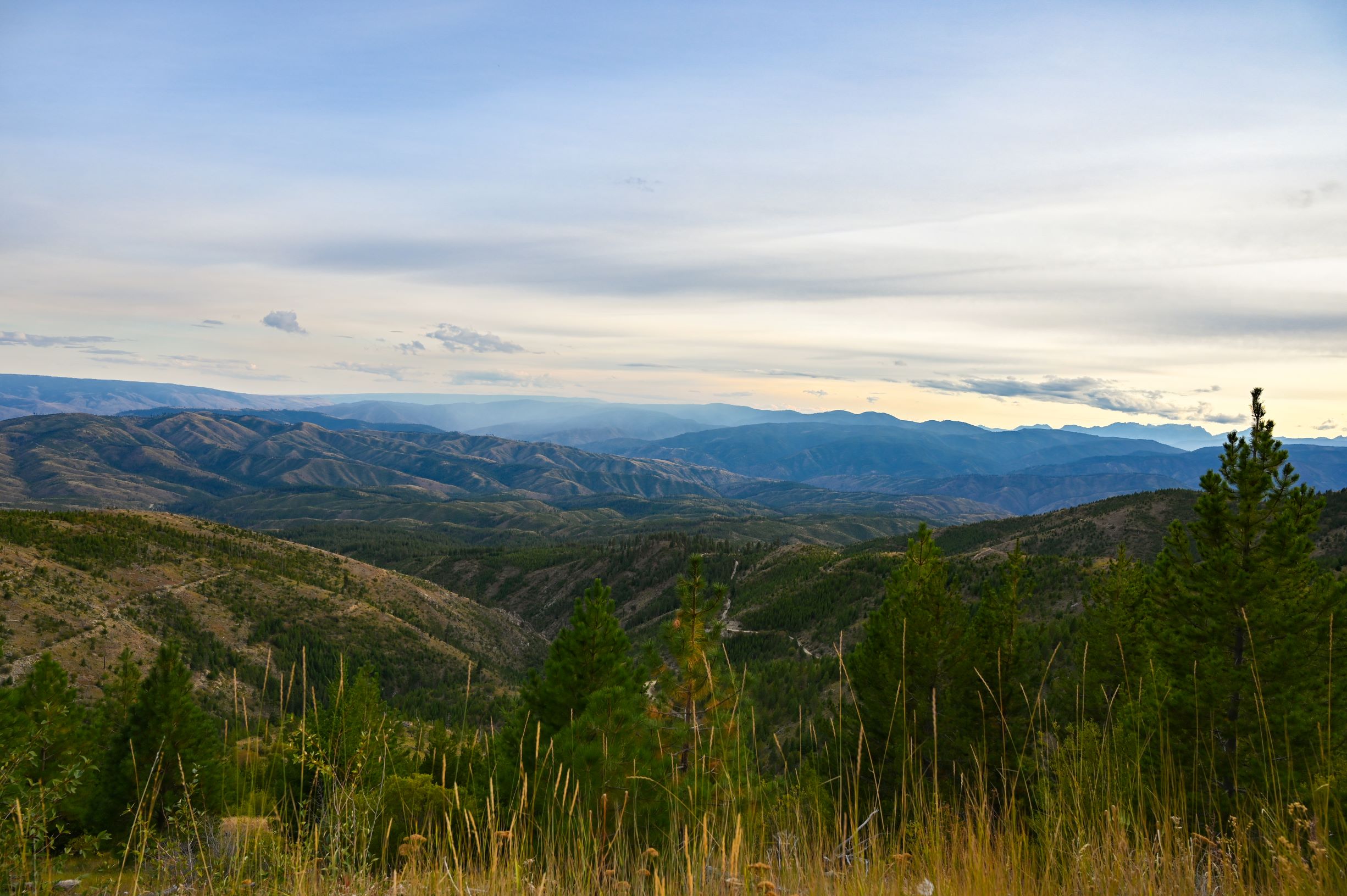
    We ride up to Conconully to the start of Section 6. It’s getting cold, and we all stop to zip up the vents on our clothing and add any layers for the cooler temps.  Then we keep going. Soon we reach the top of Lone Frank Pass, elevation 6,667 feet. It’s a bit windy up here, but there are beautiful views of the mountains and fire-damaged forests below. 

    Lone Frank Pass Forest Roads for Off Road WABDR route
    Looking down the road at Lone Frank Pass.

    Skull and Crossbones Road

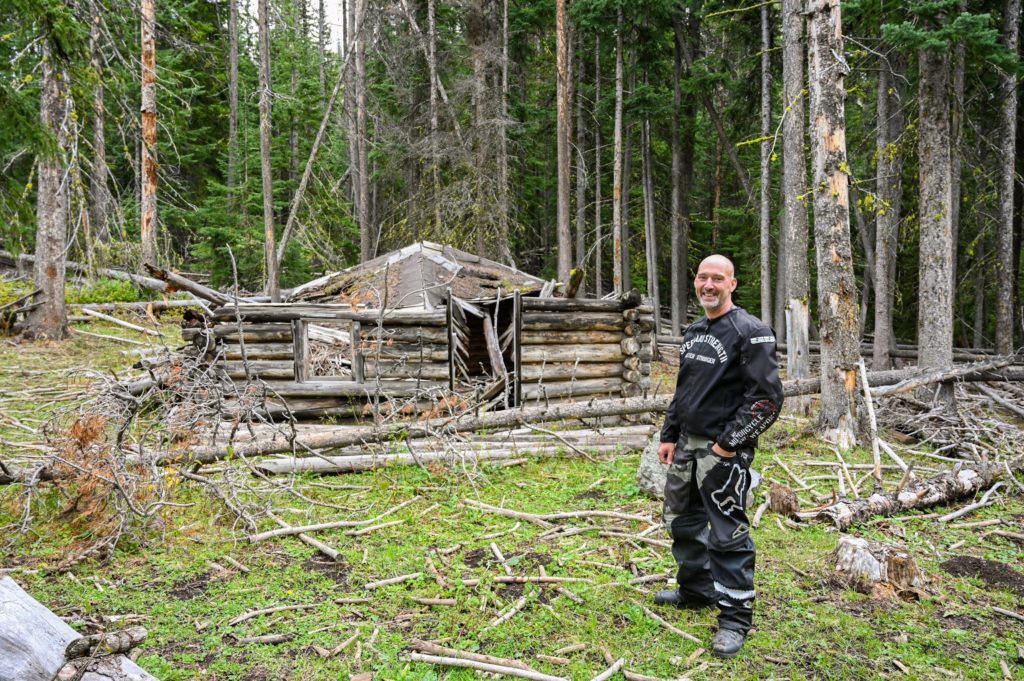
    Continuing on we soon reach the turn off for the Skull and Crossbones road.  It sounds ominous, but it’s not so bad. We stop at the Skull and Crossbones cabin, which collapsed during the previous winter, it is still a nice stop for a photo opp.  Then we continue our journey. Not too far after the Skull and Crossbones cabin, my brother tells us that we will ride through a mud pit.

    The bikes got a bit squirrely riding through this slick section of the road, and after I make it through safely, I say “wow, why does it smell like manure?”  My brother then lets us know that the “mud” isn’t just mud… We were all grateful none of us took a plunge in the “mud.”

    Skull and Crossbone Cabin on WABDR
    What’s left of the Skull and Crossbones Cabin.

    The Final Stretch

    The Skull and Crossbones Road eventually connects to a little bit of pavement before returning to a gravel road.  My brother takes us on a slight detour to see the local “Christmas tree” near Tiffany Springs. We look at the “ornaments” before returning to our route. 

    We come up behind a herd of cows running down the road in front of us.  Although I am not afraid of a cow, I do know they are still animals, and with that comes some unpredictability.  My brother coaches me to pick one side of the road and continue at a steady pace. He said I would be “herding the cows,” and they will move to one side.  He was right, as I stayed to the right, they moved to the left and allowed me to pass safely.

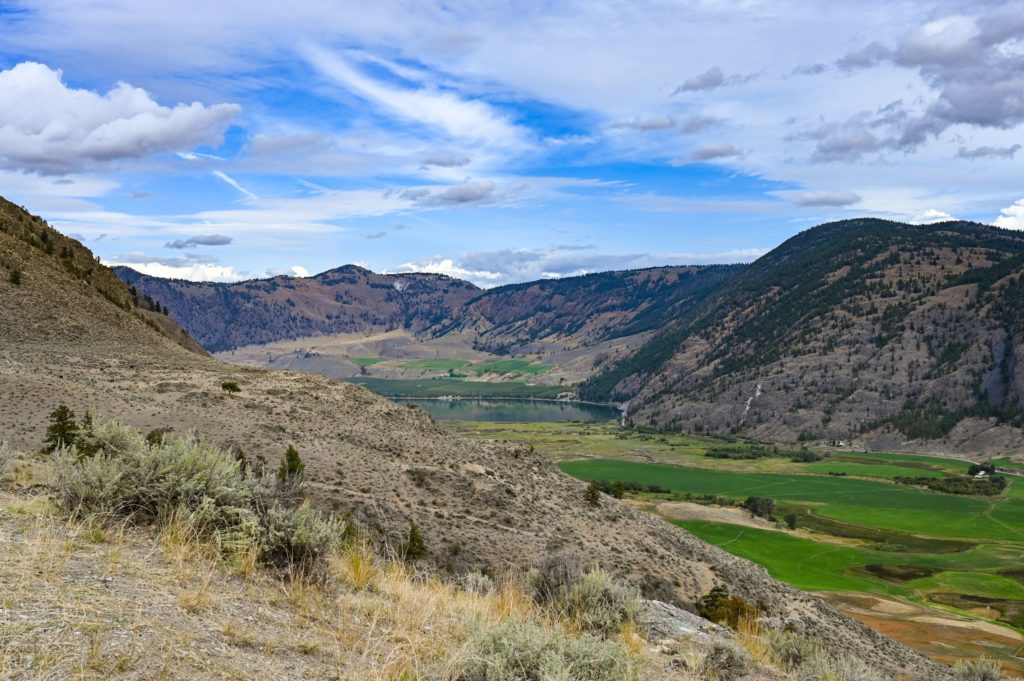
    Soon we can see the town of Loomis below us as well as part of Palmer Lake. It is a fun and easy ride back down to the pavement. 

    Palmer Lake from above
    A view of Palmer Lake.

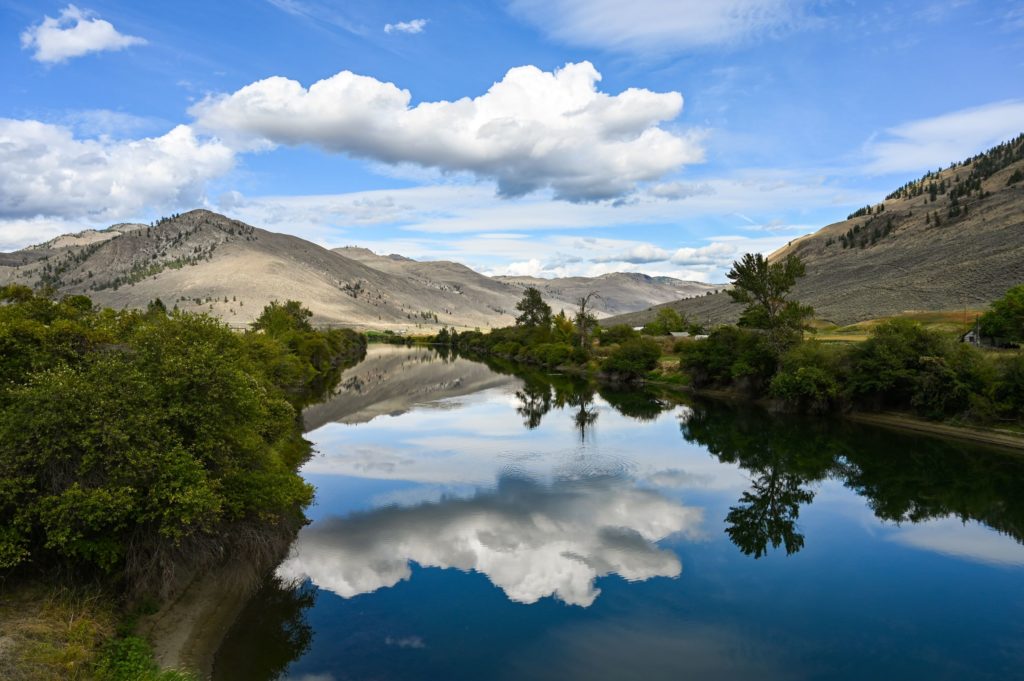
    After returning to the paved roads below, we make a left and continue our ride around the beautiful Palmer Lake. There are a lot of neighborhood deer in the Palmer Lake area, so watch out if you ride that section.  It’s a short ride around the lake, and soon we are pulling into the old mining town of Nighthawk. We stop to take a few pictures on the town bridge. 

    The river in the town of Nighthawk Washington
    Looking over the river in the town of Nighthawk.

    We continue down the road before making a left turn for the Canadian border crossing and also the end of Section 6 and the Washington Backcountry Discovery Route. We take a snack break before driving down into the town of Oroville and ultimately making our way back to Omak for the night. It is the end of one journey, but there are many more to come.

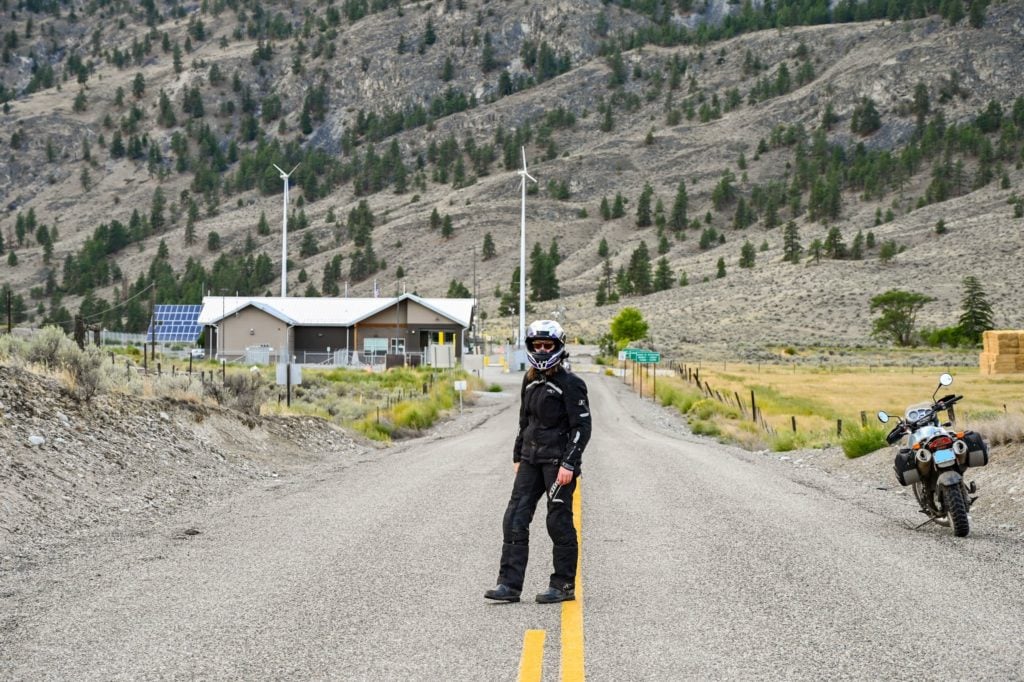
    Canadian border with dual sport motorcyclist
    The Nighthawk Washington/Canadian border and the end of the WABDR.

    Setting Realistic Expectations

    I overestimated how simple the ride would be and underestimated the time it would take to complete each section.  I imagined we’d roll into camp late afternoon, relax,  chat about the day’s ride, eat dinner and get a good night’s rest. And I was so wrong. I should have assumed it would take us longer, that it would be harder and that we would be far more tired each day than I could have imagined.

    My assumptions about the ride and us as riders were faulty. I made mistakes. However, I’ve learned from them.  I am a more experienced rider now than I was before we started riding the WABDR. I will plan better for trips like this in the future.  And I will set better expectations and better communicate to my group the miles for each day and what time I’d like to leave each morning, etc.  

    That said, we have a great time!  We had laughs, we got dirty, and we saw beautiful scenery–we had an adventure! The best way to turn a misadventure into an adventure is your attitude.  Always keep a positive attitude, and you’ll always have adventures.

    Lessons Learned On the Washington Backcountry Discovery Route

    If you are new to off-road motorcycle riding or riding an adventure motorcycle off-road, then give yourself extra time.  Extra time to rest, recover and to enjoy the trip and the scenery. Riding is about the journey, not the destination.

    • Assume the ride will take longer. 
    • Set the time you want to leave by each morning and do your best to stick to it.
    • Review the map and route the morning of the ride.
    • Allow extra time for fun, relaxing, and resting.
    • Prepare physically for the ride, months in advance, if possible.
    • Add an extra day or two for detours, emergencies, and other setbacks.
    • When it stops being fun, take a break, and camp for the night if needed. Then start fresh in the morning.
    • Take more photos.  Get a helmet cam. Document the experience.  Most people who don’t ride won’t understand what you mean when you say a “steep rocky descent.” Or when you say “big ruts” or “a huge puddle.”
    • Drink more water along the way.
    This trip has been a fun learning experience. I am a more experienced rider now and I faced my fears and pushed myself further than I thought I could.  I don’t regret the rough stuff, and I am proud of myself for what I accomplished and look forward to completing the Washington Backcountry Discovery Route in its entirety one day soon.
     
    My motto: Find your limit and then push past it just a little. Repeat for life.

    More Info on the Washington Backcountry Discovery Route

    If you want to learn more about the WABDR, you can stream the official Washington Backcountry Discovery Route video on Amazon.com.

    Touratech USA has YouTube videos on each section of the WABDR for free. And you can also purchase the map of the WA Backcountry Discovery Route online from Touratech USA.

    In addition to Washington’s Backcountry Discovery Route, there are nine other states with completed backcountry routes and more in development.  So make sure to check out all the available routes and see if there is one near you.

    Let the adventure begin!

  • Scenic Camping and Hiking at White River Campground

    White River Campground is a first-come-first-served campground near the Sunrise Visitor Center in Mount Rainier National Park. Many visitors overlook the beauty found in this eastern section of the park for the more popular area around Paradise. However, if you don’t take time to explore the area surrounding Sunrise and White River Campground, you will be missing out!

    During the summer Cougar Rock Campground and Ohanepecosh Campground fill up due to their online reservation system. Whenever this has been the case, I have always been able to find a site at White River Campground. I think it helps that it has no online reservation system and is strictly a first-come-first-serve system.

    While camping at White River Campground, you can hike from the campground to see the largest glacier in the lower 48 States. Fall asleep to the sound of the roaring river. And wake up to the most beautiful views of Mount Rainier. Visit Sunrise Visitor Center, the highest point in the park you can drive to.  You do not want to miss the fantastic views and hiking trails here!

    Getting to White River Campground

    Drive east on WA Highway 410. It is approximately 1 hour from Enumclaw to White River Campground. Follow Chinook Pass Highway/Highway 410 until you see the road fork to the right for Sunrise Rd/White River Rd. You will turn right here and follow the road to the entrance station for Mount Rainier National Park. Pay the Mt Rainier National Park entrance fee and continue for another 5 miles before making a left at the entrance sign for White River Campground.

    Finding a Campsite

    Follow the road into the campground, and you will pass the pay station parking on your right. I recommend you stop here and pick up the pay envelope that you need to complete your campsite reservation. Then continue driving thru Loop A, B, C, and D to find an available spot. 

    Tip: Loop A, C and D all have restrooms with flushing toilets and sinks. Loop B has a pit toilet supplied with hand sanitizer.

    Once you have found the campsite you want, fill out the envelope with the necessary information, then tear off the tab and attach to your site number to reserve the spot while you go pay. You will take your envelope with payment (cash or check) and submit it at the pay station, by dropping it in the pay slot. A ranger will come by later in the day to add a tab to your campsite number showing the date you have reserved your spot thru. 

    Things to Do at White River Campground

    There are lots of things to do at White River Campground and one of them is the hike to see the Emmons Moraine Glacier.  Mount Rainier is home to many different glaciers, but this one is the largest. In fact, it is the largest glacier in the lower 48 states! Pretty impressive, huh?

    Getting to the Trailhead

    You will find the trailhead for the Glacier Basin Trail in Loop D. Your hike to Emmons Moraine starts here. This easy hike is about 3 miles total out and back. It has a steady uphill climb, but it never gets very steep. The 6 year old in our group practically ran the whole way there and back. It takes 1-2 hours total to complete the hike. 

    Glacier Basin Trail to Emmons Moraine Trail

    Follow the Glacier Basin Trail as it winds its way thru the beautiful wooded forest with views of White River below. You will pass small streams and waterfalls forging paths down the mountainside. After about 1 mile the Emmons Moraine trail will split from the Glacier Basin Trail and you will make a left to continue to the viewpoint for the glacier. 

    log bridge crossing White River
    Hiker crossing the log bridge that takes you to the viewpoint for Emmons Moraine.

    Continuing on the Emmons Moraine Trail

    As you turn left  you will walk down to the river and cross a log bridge before climbing back up the hillside where you are rewarded with spectacular views of the Emmons Moraine Glacier. You will also have beautiful views of the turquoise lake created by the glacier run off and glacial silt. It is quite the stunning view. Feel free to wander further up the trail for closer views of the glacier before turning around to make the hike back to camp.
    Hiker looking down at the glacial ponds formed from Emmons Moraine Glacier
    The glacial pond formed from Emmons Moraine.

    Optional Side Hikes from Emmons Moraine Trail

    If you prefer to do a longer hike, you can always take the trail down to the glacial lake (although it’s a bit of a scramble, so proceed with caution) or you can return to the junction for the Glacier Basin Trail and hike to Glacier Basin Camp which is another 2.2 miles from the junction. This adds a total of 4.4 miles to the Emmons Moraine hike, making it about a 7.5 mile hike by the time you return to camp.

    Additional Hikes and Things to Do at White River Campground

    If you want additional hikes to do from White River Campground, you can hike a portion of the Wonderland Trail starting at  Loop C near the old patrol cabin. This trail will take you up to Sunrise. It is about a 3-mile hike from White River Campground to Sunrise Visitor Center.

    From the day-use parking lot, you can follow a trail down to the river. Kids and adults alike will enjoy looking for unique rocks and perhaps tossing one or two into the river for fun. It is also a great place to spot views of Rainier and the Emmons Moraine glacier.

    In the summer the rangers will often lead evening talks at the community campfire just off the main road in the park (the road that goes by the different loops). You will find the bulletin board here too, which should list any upcoming programs.

    “And into the forest I go, to lose my mind and find my soul.” ~John Muir

    Visit Sunrise Visitor Center

    Don’t miss a visit to Sunrise Visitor Center while staying at White River Campground. The visitor center is another 11 miles up the road from the campground. Follow the road out of the campground and make a left at the junction to get back on Sunrise Rd. Continue to the top where you will find the Sunrise Visitor Center Complex and parking. 

    There are so many beautiful hikes to do here. There are easy nature hikes that will only take an hour or less to longer multi-hour hikes. Stop by the ranger station and ask them for some recommended trails based on your preferences. Some easier ones I recommend are the: Sourdough Ridge Nature Trail, Shadow Lake, and the Sunrise Rim loop.

    Tips for Camping at White River Campground

    • There is no electricity in the restrooms. So bring a flashlight or LED lantern for those nighttime trips to the bathroom.
    • There is also no soap in the restrooms, so make sure to pack some from home.
    • White River Campground is at a much higher elevation, which means it can get a lot colder here at night, so pack layers and extra blankets.
    • The campground host drives thru the campground loops each night selling firewood. Make sure to have cash. As of 2019, it was $7/bundle.

    If you haven’t had a chance to check out this Eastern section of Mount Rainier, don’t miss it!  You will be amazed by the beauty you find here.  And if you want another stunning hike only a 25-minute drive from the campground, you will find the Naches Peak Loop Trail. I highly recommend it!

    Happy Camping & Happy Trails!

  • Hiking the Naches Peak Trail at Mt Rainier

    If you’re looking for a hike that is suitable for all ages, has alpine lakes and fantastic views of Mt Rainier, then look no further!  This hike has it all, and it’s a loop, so you never have to see the same view twice. Naches Peak Trail is perfect for families. I hiked this with a group of 10 people, ages ranging from 6 to 56 years old. The hike takes around 2-3 hours, depending on your pace and how many breaks you take. The Naches Peak Trail will reward your efforts with beautiful views and fun memories!

    Getting to the Trailhead

    Enter Mt Rainier National Park along Highway 410. Coming from the west side, it will take about 1 hour from Enumclaw to reach the Naches Peak Trail. At the junction for Highway 410 and 123 make sure to stay left and follow signs to Chinook Pass. It is about a 5-minute drive past the junction to the first parking area at Tipsoo Lake. You will see a sign for Tipsoo Lake and then the parking lot on your left.

    There are multiple parking areas you can use to access the Naches Peak Trail. Since it is a loop, you will return to whichever parking area you started from.

    The largest parking area is at Tipsoo Lake. There are restroom and picnic facilities at this parking lot. However, if the parking lot is full, don’t worry, continue down the road and you will pass another parking area on the left. And if that is full continue driving just a little further down the way to a parking area on the right and on both sides of the road near the Mt Rainier National Park sign that also doubles as a bridge for the Naches Peak Trail.

    Naches Peak Trailhead: Starting Your Hike

    We started our hike by Tipsoo Lake. We parked in the Tipsoo Lake parking lot and found the trailhead at the far right corner of the parking lot (when facing away from the road). I recommend hiking this loop in a clockwise direction as this gives you beautiful views of Mt Rainier facing you, rather than at your back.

    The trail has a gradual ascent that continues steadily up before once again leveling out. There are shaded areas along the way to stop and take breaks.  Soon you will reach a flat area and see the parking area along the road I mentioned in the “Getting to the Trailhead” section. 

    Walk across the Mt Rainier National Park sign that doubles as a bridge. If you’re ambitious, you could have someone run down to the road and take a picture of you standing above the sign.  However, we had a large group, so we just kept on moving!

    Shortly after crossing the highway you have views of the mountains and trees that stretch out for miles.  It warmed my heart to hear the “oohs and ahhs” that came from the mouths of my 6-year-old nephew and 8-year-old niece. They said, “Oh, wow, this is beautiful!” And they were right.

    Watching young children delight in the beauty of nature makes me smile.  I feel that nature is therapeutic, and we can all use time away from the fast pace of life (and from our electronics).

    The hike continues uphill, at a gradual grade, and soon you are rewarded with a flat area to take a refreshing break alongside this alpine lake.

    After resting, continue climbing past rolling hills, rocky mountainsides and if you’re lucky, colorful wildflowers (July thru August is best for this).

    The trail reaches another viewing area of the mountains spread out in front of you. Feel free to take another break here if you want before following the path as it curves to the right. Continue the gradual climb up for about another 5-10 minutes before reaching the below viewpoint of Dewey Lake.

    Lunch Break Near Dewey Lake

    This is about the halfway point in your hike, and it makes an excellent place for a lunch break! There is a small trail that leads to some rocks on the left side (when facing the lake) that make perfect benches to sit on. Our group enjoyed our lunch stop here. And everyone was re-energized for the rest of the hike.

    After you finish your break, continue down the trail, and you will come to a fork in the path. This is part of the Pacific Crest Trail that takes you down to Dewey Lake. If you’re not in a hurry and don’t mind adding another 2 miles to your hike, then take a left and hike down to this beautiful lake. Otherwise, continue straight to stay on the Naches Peak Trail. 

    Soon you will see why I recommended hiking this clockwise. If you’re lucky, you’ll have a clear day with unobstructed views of Mt Rainier. We had some clouds around the top during our hike, but it was still such a beautiful view!

    This part of the trail is mostly flat with a slight downhill slope. The Naches Peak Trail will continue its gradual descent as you return to Tipsoo Lake. There are lots of rocks and roots on the trail so watch your step. Poles are not required, but are helpful, especially if you have any problems with mobility or balance.

    You eventually make your way down to Highway 410 again, where you will need to cross the road to re-connect with the trail and return to your parking area. You have now come full circle on the Naches Peak Trail! And in case you missed it when you started your hike, make sure to look up, that’s Naches Peak your viewing!

    Important Things to Know

    • You need to purchase a Northwest Forest Pass to park at the trailhead. This pass is different than your National Parks pass or the State Parks Discovery Pass. You can buy a day pass or an annual pass, depending on your needs.
    • Part of this trail is along the Pacific Crest Trail, and part of this is in the Mount Rainier National Park. That means dogs are allowed on the trail, only in the portion of the PCT, but not within Mount Rainier National Park. So it is best to leave Fido at home for this hike. 
    • Pack plenty of water, snacks and perhaps even a picnic lunch, depending on your group. 
    • Naches Peak Trail is a very popular trail, so practice proper trail etiquette and be prepared to yield the path to faster hikers when it makes sense.
    • Set the hiking pace to the slowest person in your group.  Make sure everyone has fun and can go at a comfortable pace. 

    Mount Rainier is one of my favorite places to camp and hike here in the Seattle area. It is like a second home to me.  If you want to extend this hike and make it a weekend excursion, then consider staying at White River Campground, this area of Mount Rainier is truly remarkable!

    Happy Hiking!

  • 13 Fun Things to do at Kalaloch Campground

    If you are looking for a campground close to Seattle, look no further than Kalaloch Campground.  This campground is sure to become your family’s favorite getaway destination.  Long weekend? Summer vacation?  Head to Kalaloch Campground. It is the perfect Northwest getaway.  

    You’ve got miles of sandy beaches, piles of driftwood for building forts, tide pools for exploring the sea life, whale watching (depending on the time of year) and so much more!  And who doesn’t love waking up to the sound of the ocean? Keep reading as I share my favorite things to do when camping at Kalaloch Campground and why I keep returning year after year.

    1) Explore the Tide Pools

    This is one of my favorite things to do, even now as an adult.  I didn’t grow up near the ocean, so when I moved to Seattle at age 18, I had my first experience exploring tide pools.  The ocean fascinates me.  It is a beautiful “world” that we have barely explored. I know kids and adults alike will get excited seeing the sea anemones, colorful starfish, and barnacles in the many tide pools found at Kalaloch. You’ll see tiny crabs crawling out from under rocks, and you might even see the occasional sea otter foraging for food by the tide pools!

    2) Make Sandcastles on the Beach

    Okay, what’s a trip to the beach without time spent building sandcastles? I happen to believe that no trip to the beach is a success unless your suitcase comes home with a little sand in it.

    3) Visit the Tree of Life at Kalaloch Campground

    The Tree of Life is one of the unique treasures found at Kalaloch Campground. It is a beautiful tree suspended above the ground with its roots growing down below.  I’m not sure how long it can continue to hang on against the eroding soil around it, but while it is here, you definitely need to check it out!

    Tree of Life at Kalaloch Campground

    4) Watch the Sunset on the Beach

    Sunsets on the beach are beautiful at Kalaloch Campground. You have a vast sandy beach that reflects the light of the setting sun and casts orange and red light across the crashing waves.  I love watching the sunset over the ocean.  Whether I am here or in Maui, I’m a sucker for a good sunset!

    Oh, and in case you’re wondering, sunrises on the beach at Kalaloch are also spectacular! Cotton candy pinks mixed with baby blues reflected off the sand while the sunlight shimmers on the water. You feel the ocean breeze blowing in your face, and the glow of the sun warms you.  Yep, sunrises here are pretty great too!boy walking on beach at sunset

    5) Hiking at Kalaloch Campground

    The Kalaloch Creek Nature Trail connects to Kalaloch Campground. It is a short walk thru the beautiful wooded area surrounding the campground. The hike is less than a mile and is accessed from the campground’s Loop A.  Follow signs and be very careful when crossing Highway 101.

    The rangers also offer guided hikes depending on the time of year you go.  So definitely check in with them to see what is happening while you’re there.  I think it is fun for adults and kids alike to go on a guided walk with a ranger who knows the area. You learn fun facts and interesting information about the local habitat.

    6) Fly Kites on the Beach

    Plan ahead and pack your kite!  Now sing along with me: “let’s go fly a kite, up to the highest heights…”  Okay, if you haven’t seen the original Mary Poppins, stop reading now, watch it and then come back and finish reading this post.  Flying kites is such a fun family activity, and the beach in front of Kalaloch Campground is perfect for this at low tide. You will have a huge sandy beach to fly your kites to your heart’s content!

    flying a kite on the beach at Kalaloch

    7) Go Stargazing

    One benefit of taking a family vacation away from the city is viewing the stars at night. Away from light pollution, you begin to see the vast sea of stars above you.  Grab a blanket and some hot cocoa and find an open spot to admire these twinkling lights. We have made trips to Kalaloch just for this purpose. 

    My husband loves stargazing, so we bring a small telescope, along with our cameras and tripods and practice our astrophotography. You can stargaze at the Kalaloch Campground day-use parking lot, or if it’s low tide, then the beach makes a great place to bring your thermos of cocoa and blankets.  Just don’t forget your flashlights!

    8) Build a Fort on the Beach from Driftwood

    There is so much driftwood on the beaches surrounding Kalaloch campground, and with some teamwork and ingenuity, perhaps you will build yourself a fort that is discussed inside family circles for years to come! Come on, think big!

    9) Watch Whales Migrating

    Depending on the time of year you can watch grey whales migrating from the beach in front of Kalaloch Campground.  It is so much fun to watch them breach and see water shoot up from their blowholes.  Bring some binoculars so you can enjoy them close up. Typically the months of May, October, and November are the best months to watch grey whales at Kalaloch. However, believe it or not, we got to see them once during a camping trip at the end of August!  So you never know!

    10) Build a Bonfire on the Beach

    Who doesn’t love a good bonfire on the beach? This is the only time you can use driftwood for your fires.  You are not allowed to bring driftwood off the beach to use for your campfire, but you can use it on the beach. So bring your marshmallows and supplies for s’mores and enjoy a bonfire on the beach. Check with the rangers at Kalaloch Campground earlier in the day to make sure there are no fire restrictions during your stay.

    And of course, practice safety and make sure to extinguish your fire before leaving.  Be careful to cover all the hot coals with sand so that no one accidentally steps on them, during their nightly stroll on the beach.

    11) Wake up to Sunlight Streaming thru the Trees

    This is one of the joys of camping. Waking up to the sounds of birds, the smell of fresh air and sunlight streaming in thru the trees.  It says, “it’s going to be a great day!” Everyone starts stirring around; you grab a cup of coffee as you get the fire going for breakfast; it is a magical time in the stillness of the morning.

    Sunlight thru trees at Kalaloch Campground

    12) Biking Around Kalaloch Campground

    If you have the room to bring bikes, this is something fun that kids will enjoy.  Biking around Kalaloch campground.  It is something I see no matter where I go camping.  Kids off on their own adventure just cycling around the campgrounds with the carefree hearts that camping brings. They have huge smiles on their faces, and they are usually laughing and talking with each other.  I have even witnessed young kids who are just learning to ride their bikes for the first time.  It is fun for both them and their parents.

    13) Hanging out at the Campsite

    One of the things kids love to do is hang out at their campsite and explore the area surrounding it. Climbing trees, playing hide-and-seek and of course playing in the tents. I love watching their happy faces as they enjoy being outdoors. It makes the work involved in planning a camping trip all worth it!

    girl exploring area by campsite at Kalaloch Campground

    Important Information for Camping at Kalaloch Campground

    Make reservations in advance! This is a favorite campground for people who live in the Seattle area, and it fills up quick during the summer months. So plan ahead and reserve your campsite months in advance, if possible.  I booked our campsite in May, for an August visit.  The reservation period is from May to September, and you can reserve your spot online during this time frame. During the off-season, they don’t accept reservations. During this time, campsites are assigned on a first-come-first-served basis.

    You can purchase firewood at Kalaloch Lodge which is about a 1/2 mile from Kalaloch Campground. They also have a small store where you can buy snacks, drinks, and miscellaneous supplies you may have forgotten to pack.

    Always check the tide charts posted at the campground when making plans for your daily activities.  You never want to get caught on the beach during high tide.  Besides the strong currents, there are lots of large trees and driftwood that could easily knock a person out if you were to be hit by one.  So know when low tide and high tide are and stay safe!

    Getting to Kalaloch Campground

    Kalaloch Campground is located off Highway 101 about  34 miles from the town of Forks, Washington. It is around 3-4 hours drive time from Seattle. Depending on where you’re coming from you will either head north thru Bremerton and over to Highway 101 or south thru Olympia, cutting over to Highway 101.  I find driving south past Olympia and then cutting over to Highway 101 around Montesano is the quickest way for me.

    Kalaloch Lodge Address is: 157151 US-101, Forks, WA 98331 (Kalaloch campground is about a half-mile north from the lodge.)

    Conclusion

    No matter what you decide to do when visiting Kalaloch Campground, there is a lot to occupy your time and so many fun ways to create wonderful memories with your family. If you need more ideas for things to do near Kalaloch Campground check out these awesome beaches near Kalaloch.

    Happy Camping!

  • My Favorite Olympic Coast Beaches near Kalaloch

    If you were to ask me to recommend a place by the ocean, but close to Seattle. I’d tell you to drive to the Olympic Coast. And then I’d share with you my favorite spot to visit year after year, for the past 20 years. It is my happy place near Seattle, my ocean fix when I can’t travel to Maui.

    My favorite go-to spot on the Olympic Coast is Kalaloch. It is a beautiful area about 40 miles south of Forks, Washington. I fell in love with the whole area around Kalaloch on my first visit. It has some of the most beautiful beaches along this stretch of coastline. Windswept trees, ocean-carved rocks, and incredible forests of old-growth cedars.  I am positive if you visit, it will become a favorite of yours too.

    Top 5 Olympic Coast Favorites near Kalaloch, WA

    Kalaloch Beach and the Tree of Life

    Just below the Kalaloch Campground and Kalaloch Lodge is Kalaloch Beach. This long, wide, sandy beach is perfect for a leisurely stroll or a morning run. Make sandcastles with the kids, have a bonfire or if you’re lucky enough, watch whales as they surface just beyond the shoreline. And the bonus for this beach is an incredible tree that is often overlooked.

    It is called the Tree of Life.  The tree is suspended above the ground with its roots hanging down below.  You can walk underneath the tree and admire its unique beauty.  It is a rare sight and should not be missed when visiting the Olympic Coast.

    Location: The Tree of Life is located down a short trail from the Kalaloch Campground parking lot. Walk down the trail in front of the parking lot and make a right at the bottom.  Walk just a little further down the beach and you will see it on the right.

    Tree of Life tree suspended above ground
    Don’t miss this incredible tree! You never know how long it can keep hanging on.

    Kalaloch Beach 3

    In addition to Kalaloch Beach, heading north along Highway 101 you will see signs for Beach 3.  Kalaloch Beach 3 has some fantastic rock formations for climbing and exploring the tidepools. Wander along the coast and admire all the uniquely shaped driftwood that has come ashore with the latest tide.

    Location: Approximately 3 miles north of Kalaloch Lodge on Highway 101.  Look for signs for Beach 3 and a little pull-off area alongside the road. Kalaloch Beach 3 only has a dirt area to pull off on the side of the road and park.  Then you follow a trail down to the beach.  Make sure you’re wearing good shoes for walking as it can get a little steep.

    Tip: Always check the tide charts before heading out.  Besides the strong currents along the Olympic coast, entire trees are washed ashore and the waves are full of debris.  If you need help understanding the tides and when it is safest to explore the beaches ask a Park Ranger, they will be happy to help!

    huge stump at Kalaloch beach 3
    So many beautiful pieces of driftwood along this beach. This tree must have been huge!

    Kalaloch Beach 4

    Kalaloch Beach 4 has tidal pools, incredible rock formations, and a small “island” (for lack of the proper word) for climbing just off the beach (only accessible at low tide).  At low tide, you can climb up to the top of this island (only advised for older kids and fit adults) for views of the beach and the Destruction Island lighthouse. Even if you don’t feel comfortable making the climb, the tidepools are fun to walk around, with sea anemones, barnacles, and starfish.

    To reach the best of the tidepools, you will cross the bridge at the end of the trail (small children will need help getting down) and then turn right and walk up the beach, past a bunch of rocks in the water and around the tip of land that juts out. You will see the large landmass rising out of the water and a bunch of smaller rocks around it. The kids will have a blast exploring here!

    Kalaloch Beach 4 has the best parking of the numbered beaches.  It also has restrooms and picnic tables.  It is important to know that at the bottom of the trail there is a bridge that was built using some of the rock formations as a platform.  This creates a somewhat difficult descent to the actual beach. You need to be able to climb down some rocks at the end of the bridge. It is probably around a 3-foot difference from the bridge to the beach. For most this will not be a problem, but for those with mobility issues, it is not recommended.

    Location: A little over 3 miles north of Kalaloch Lodge. Or about a 1/2 mile past Kalaloch Beach 3 up Highway 101. Look for the Beach 4 sign and you’ll see a pull-off to the paved parking area and trailhead.

    A view of Olympic coastline
    View from the top of the “island” on Beach 4 with tide pools.

    Ruby Beach

    If I had to choose only one of these Olympic Coast beaches to visit on a single trip, I’d probably choose Ruby Beach.  It is hard to choose one as they all offer something special.  Ruby Beach is a gem though.  See what I did there?  Okay, sorry, but it is really is such a treasure.  Okay, that was the last one, I promise.

    Ruby Beach is full of colorful driftwood and it has an inlet of water that is protected at low tide so even children can splash around in it. Ruby Beach also has an island that is only accessible at low tide.  It is a beautiful stretch of beach, perfect for spending a few hours during low tide. My family always enjoys exploring the island and the boulders that surround it, looking for colorful starfish and crabs darting around.  It is so much fun!

    Location: Approximately 8 miles north of Kalaloch Lodge. Watch for signs for the Ruby Beach turn-off.  You will turn down a dirt road and follow it to a large dirt parking area where you will see a trailhead sign for the beach and lookout areas.

    Ruby Beach on Olympic Coast at high tide covered in water
    Ruby Beach at high tide in the winter. You can see the little island thru the trees to the left. At low tide, this is a sprawling sandy beach perfect for exploring.

    The Giant Cedar Tree

    Okay, I know this one isn’t a beach, but I had to list it since it is in such close proximity to these beaches and because these trees are just too beautiful to miss. First up on this trail you will find the Big Cedar Tree. Unfortunately, it has partially fallen, but it is still a magnificent tree to admire, straining your neck to gaze upward at it’s top.

    When your neck stops hurting, continue down the trail to find more stunning trees, some of which had to be the inspiration behind the Keebler Elves treehouse.  This is a very easy flat trail and makes for a fun variation to your beach time on the Olympic Coast.

    Location: About 4 miles north of Kalaloch Lodge. You will pass Kalaloch Beach 3 & Beach 4 and go about one mile. You will see signs for the turn-off, follow the dirt road all the way to the end and park near the trailhead.

    Looking up at a huge cedar tree.
    These old-growth cedars have so much character.

    Where to Stay on the Olympic Coast

    The wonderful thing about Kalaloch is its close proximity to Seattle. In a little over 3 hours, you can go from the city to the rugged Olympic Coast. It makes a great getaway no matter what time of year you go.

    Kalaloch Lodge

    In the winter I stay in the cabins at the Kalaloch Lodge, also a part of the Olympic National Park. In addition to their cabins, they also have rooms in the lodge. You need to make reservations in advance. It is such a cozy spot to stay, especially in the winter. The cabins come with fireplaces stocked with wood and the lodge has a warm fireplace with comfy chairs.  The park rangers are always willing to share advice on places to hike or see closeby.  And if you get a chance to have breakfast at the Kalaloch Lodge, you absolutely have to try their Dungeness crab benedict. It is SO good!

    Address: 157151 US-101, Forks, WA 98331

    Kalaloch Beach Campground

    In the summer I like to camp at Kalaloch Campground.  It is one of two campgrounds within the Olympic National Park that accept reservations.  You will need to book these out well in advance though, as word has got out about this incredible spot on the Olympic Coast.  They do have a few first come first served spots. So if you want to try to snag one of those, I’d say to come early on a weekday for your best chance at getting a spot.

    Location: Approximately 1/2 mile north on Highway 101 from Kalaloch Lodge.

    Tip: If you can’t get a spot at Kalaloch Campground, you can always try South Beach Campground which is south of Kalaloch Campground.  You won’t have the beautiful forested sites, but you’ll still get to fall asleep to the sounds of the ocean.

    How to Get Here

    You can either come around from the North thru Bremerton and Port Angeles. Or down and around from the South passing by Olympia before cutting over.  Typically going down towards Olympia and then cutting over to the coast is the fastest way.  It will depend on your starting destination and time of day.  Use the above Google Map to get directions and plan your trip.  You can always drive in one way and back the opposite to see new scenery.

    Important Things to Know

    Kalaloch and all the areas I have mentioned are within the Olympic National Park, which means no drones are allowed. You can build a fire on the beach using driftwood, but you cannot collect driftwood for your campfire. Always check with the rangers first to make sure there are no fire bans in place.

    One of the most important things is to always check the tide charts! Make sure you know when it will be low tide and when it will be high tide.  Then make sure you get off the beach with plenty of time to spare before high tide.  The ocean is powerful and along the Olympic Coast, it is full of enormous logs and other driftwood materials.  Watch from high above the coast where it is safe.

    Perfect Getaway to Make Some Memories

    The Olympic Coast makes a perfect place for a family vacation or weekend getaway. Kids and adults alike will enjoy exploring the tidepools, sorting through beach wood and looking for the perfect rock souvenir.  It is so much fun! On the Olympic Coast, you get the best of Western Washington — the trees and water all in one beautiful place.

    Happy Beachcombing!